No products in the cart.

Wall Street Divided as Traders Await Fed’s CPI Report
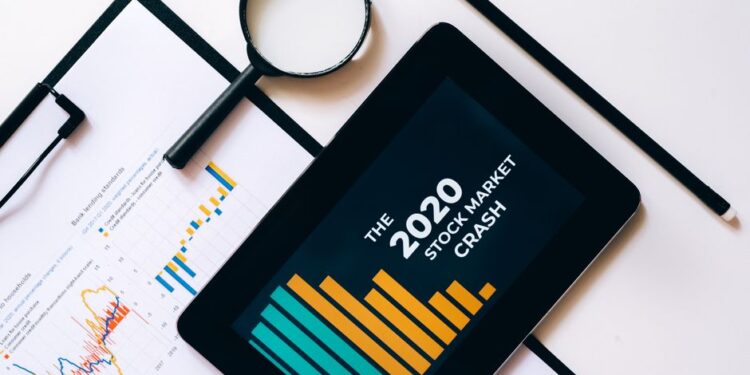
Traders on Wall Street are on edge as they await the latest Consumer Price Index (CPI) report, which could significantly influence the Federal Reserve's interest rate decisions. The market's divided stance reflects broader uncertainties in the economy and the implications for investment strategies.

Wall Street is bracing for a crucial Consumer Price Index (CPI) report set to be released on August 15, 2026. This report is anticipated to have a significant impact on the Federal Reserve’s interest rate decisions, with traders divided in their expectations regarding the Fed’s next moves. The uncertainty surrounding the CPI data reflects broader economic concerns and the potential implications for investment strategies across financial markets.
The excitement surrounding the CPI report stems from recent economic indicators that suggest inflation may be stabilizing, yet uncertainties persist. Recent job data has presented mixed signals, leading analysts to debate whether the Fed will maintain its current interest rates or implement changes. According to analysis from Career Ahead, the market’s reaction to the CPI data will hinge on whether inflation continues to decline or begins to rise again.
The Significance of the CPI Report
The CPI report serves as a vital economic indicator, reflecting changes in consumer prices. For traders, understanding the implications of the CPI on interest rates is essential for predicting market movements. A higher-than-expected CPI could prompt the Fed to raise interest rates sooner than anticipated, while a lower CPI might lead to a more cautious approach from the central bank.
Recent data from Yahoo Finance indicates that Wall Street remains uncertain about whether the Fed will cut rates in December. Some analysts predict a pause in rate hikes based on current inflation trends, adding to the complexity traders face as they navigate potential market volatility. Career Ahead’s review emphasizes that traders should closely monitor the CPI release for insights into the Fed’s future policies.
Moreover, Prism News reports that many traders are adjusting their strategies in anticipation of the CPI report. Some are opting for safer investments, while others are taking calculated risks based on their predictions of the Fed’s next moves. This divergence in strategies underscores the high stakes involved in interpreting CPI data.
Career Ahead’s review emphasizes that traders should closely monitor the CPI release for insights into the Fed’s future policies.
Strategies for Managing Market Volatility
As the market remains split on the Fed’s potential actions, traders must adopt strategies to manage expected volatility. One effective approach is portfolio diversification, which can mitigate risks associated with sudden market shifts. By spreading investments across various sectors, traders can safeguard against losses if the CPI report yields unexpected results.
Investment analysts are also focusing on sectors that may benefit from either outcome of the CPI report. Should the CPI indicate rising inflation, sectors such as utilities and consumer staples may perform well as investors seek stability. Conversely, if inflation appears to be under control, growth sectors like technology and consumer discretionary could attract more interest.
According to Finance Commerce, the current division on Wall Street reflects broader economic concerns, including global economic conditions, supply chain issues, and geopolitical tensions. Traders must remain vigilant and consider these external factors when analyzing the upcoming CPI report.
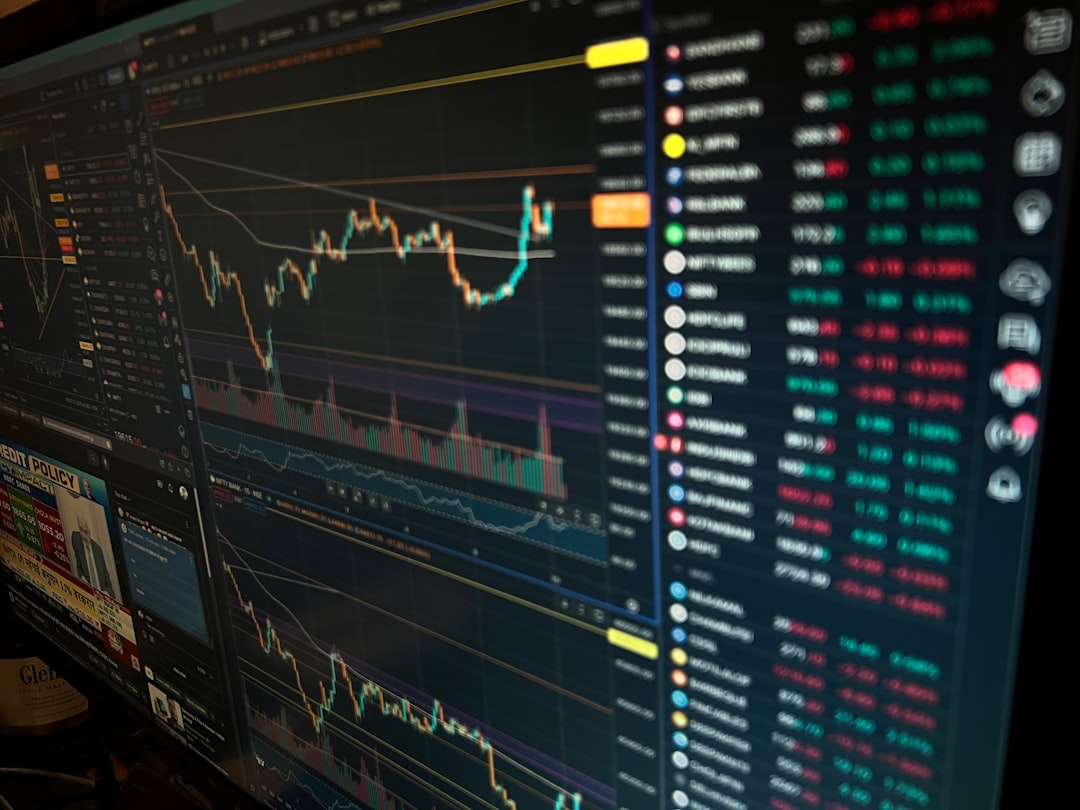
Potential Market Reactions to the CPI Report
The upcoming CPI report is not merely a statistic; it encapsulates the health of the economy and the Fed’s potential response. Traders are acutely aware that the CPI data could set the tone for market dynamics for the remainder of the year. If inflation shows signs of moderation, it could foster a more stable interest rate environment, which would be favorable for investments.
However, should the data reveal persistent inflationary pressures, the Fed may need to take more decisive action, potentially leading to increased market volatility.
However, should the data reveal persistent inflationary pressures, the Fed may need to take more decisive action, potentially leading to increased market volatility. This scenario raises risks for traders, particularly those heavily invested in interest-sensitive sectors.
As the CPI report release approaches, the critical question remains whether the data will align with traders’ expectations or surprise the market. The outcome could significantly influence investment strategies and market dynamics in the months ahead.
Preparing for Uncertainty
In this unpredictable environment, traders must stay agile and informed. They need to be ready to respond promptly to the data as it emerges. The relationship between inflation data and Fed policy will continue to shape market conditions, making it essential for traders to remain proactive.
As the CPI report nears, traders should prepare for a range of outcomes. The ability to quickly adapt to the data will be crucial for managing risk and capitalizing on potential market opportunities.
Frequently Asked Questions
What should traders consider before the CPI report release?
Traders should monitor economic indicators leading up to the CPI report, including job data and consumer sentiment. Understanding market sentiment can provide insights into potential reactions to the CPI data.
Traders should monitor economic indicators leading up to the CPI report, including job data and consumer sentiment.
How can investment analysts interpret inflation data?
Investment analysts can interpret inflation data by comparing it to historical trends and assessing its impact on consumer behavior. Analyzing sector performance in relation to inflation can also provide valuable insights.
What strategies should traders adopt in response to Fed policy changes?
Traders should consider diversifying their portfolios and staying informed about economic indicators. Being proactive and adaptable in response to Fed policy changes can help reduce risks and take advantage of opportunities.
Written by Career Ahead AI. AI can make mistakes, so verify key facts. Report errors to support@careeraheadonline.com.