No products in the cart.

Waymo Expands Robotaxi Operations to Singapore
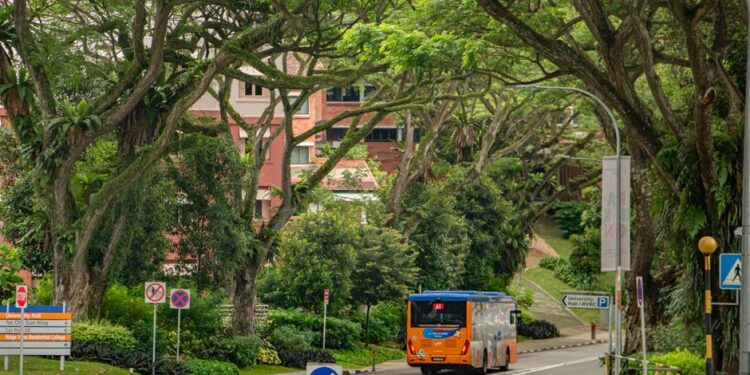
Waymo is set to launch a commercial robotaxi service in Singapore by 2028, marking a significant step in its international expansion strategy. This move reflects a broader trend of tech companies exploring global markets for autonomous vehicle services.

Waymo, the autonomous driving unit of Alphabet, has announced plans to launch a commercial robotaxi service in Singapore by 2028. This expansion into Singapore marks a significant step in Waymo’s international strategy, as the company aims to broaden its footprint in the global autonomous vehicle market.
Waymo’s vehicles are expected to start arriving in Singapore within the coming months. The company plans to begin mapping and testing its autonomous technology with human safety drivers in 2027, ahead of its public launch. This development is part of a broader trend where major tech companies are increasingly eyeing international markets for their autonomous vehicle services.
Waymo’s Strategic Expansion into Singapore
Waymo’s decision to enter the Singapore market is influenced by the country’s reputation as a leader in smart city initiatives and its commitment to promoting sustainable transportation solutions. According to Waymo’s official site, Singapore has developed one of the most efficient transportation ecosystems globally, which aligns with Waymo’s mission to offer reliable and safe autonomous ride-hailing services.
The Singapore Land Transport Authority (LTA) will oversee the approval process for Waymo’s operations. All autonomous vehicles must undergo rigorous safety assessments at the Centre of Excellence for Testing and Research (CETRAN) before they can be deployed on public roads. This regulatory framework ensures that the introduction of robotaxis is safe and effective for the city’s residents.
Waymo’s co-CEO, Tekedra Mawakana, emphasized that Singapore’s focus on reliability and sustainability mirrors the values that guide Waymo’s technology and service development. This alignment could facilitate smoother integration of Waymo’s services into Singapore’s existing transportation ecosystem, which has already seen successful trials of autonomous buses and delivery vehicles.
Collaboration with Local Stakeholders
Waymo’s expansion strategy includes establishing partnerships with local government bodies and stakeholders to foster collaboration in urban mobility solutions. This approach could provide valuable insights into local regulations and consumer preferences, allowing Waymo to adapt its services effectively.
This alignment could facilitate smoother integration of Waymo’s services into Singapore’s existing transportation ecosystem, which has already seen successful trials of autonomous buses and delivery vehicles.
By working closely with Singaporean authorities, Waymo aims to ensure that its operations align with the city’s transportation goals. This collaboration is crucial for addressing potential challenges and ensuring that the introduction of robotaxis complements existing public transport systems.
Implications for Urban Mobility and Workforce Development
The entry of Waymo into Singapore presents new opportunities and challenges for urban mobility planners and engineers. The demand for expertise in autonomous vehicle technology is set to increase significantly as companies like Waymo expand into international markets. Engineers will need to be equipped with knowledge of local regulations and technological requirements specific to each market.
Additionally, urban mobility planners will face the task of integrating robotaxi services into existing transportation frameworks. This includes considering how autonomous vehicles will interact with public transport systems and pedestrian pathways. Collaboration with companies like Waymo can lead to innovative solutions that enhance urban mobility and reduce traffic congestion.
Moreover, the introduction of robotaxis can influence local economic conditions. As Waymo rolls out its services, there may be a surge in job opportunities related to vehicle maintenance, software development, and customer service. This shift could attract talent to Singapore, further enhancing its status as a hub for technology and innovation.
Regulatory Challenges and Lessons from the U.S. Market
However, the regulatory landscape remains a critical factor. Urban planners and engineers must navigate complex legal frameworks that govern autonomous vehicle operations. Understanding these regulations will be essential for successful implementation and to ensure public safety and acceptance of new technologies.
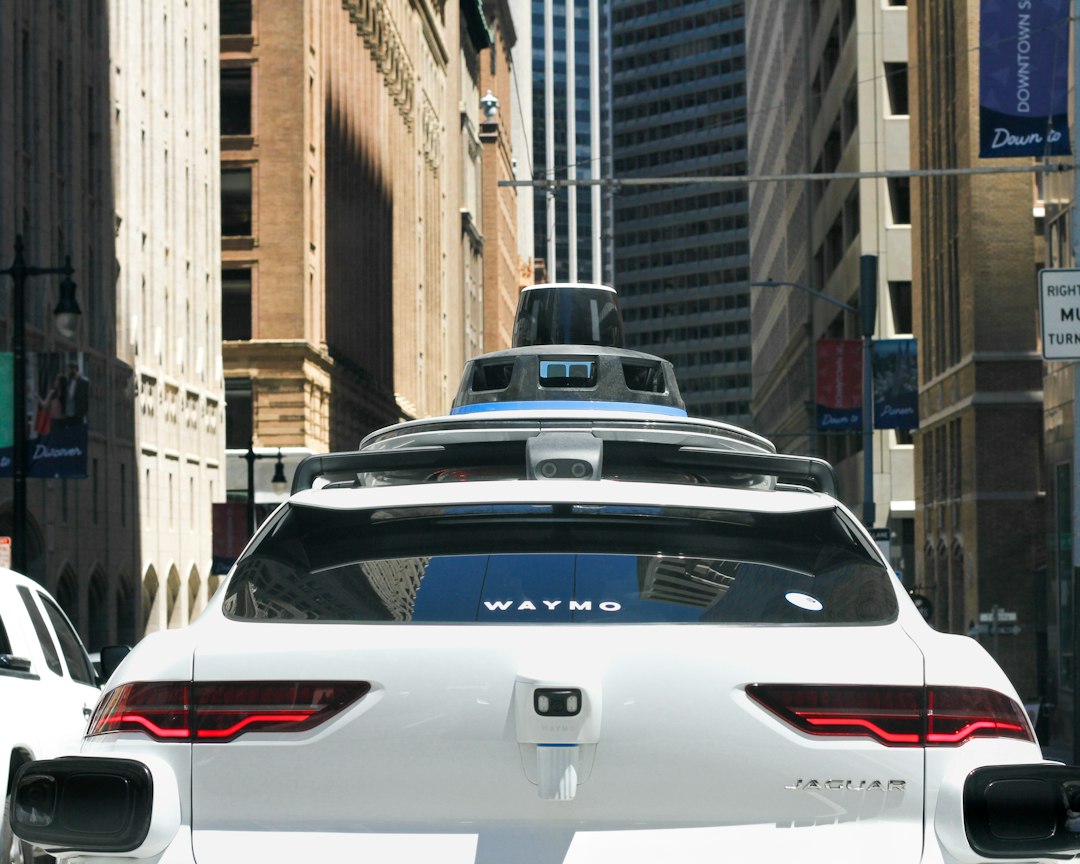
As Waymo prepares for its launch, the company’s experience in the U.S. market will be invaluable. Lessons learned from regulatory challenges and consumer feedback in the U.S. can inform strategies for a successful rollout in Singapore. This experience will help Waymo address potential obstacles and adapt its services to meet local needs.
Global Expansion and Future Prospects
Waymo’s expansion into Singapore is just one part of a larger trend in the autonomous vehicle industry. The company has also announced plans to launch services in other international markets, including London and Tokyo. This indicates a growing recognition of the global demand for autonomous transportation solutions.
Understanding these regulations will be essential for successful implementation and to ensure public safety and acceptance of new technologies.
As the industry evolves, urban mobility planners and engineers must stay informed about emerging technologies and regulatory changes. The landscape of transportation is rapidly shifting, and those who adapt will be better positioned to thrive in this new environment.

Moreover, the success of Waymo’s robotaxi service in Singapore could serve as a model for other cities looking to implement similar technologies. If successful, it may encourage more cities to embrace autonomous vehicles as a viable transportation option, leading to broader acceptance and integration of these technologies worldwide.
Frequently Asked Questions
What technologies are essential for autonomous vehicle engineers in new markets?
Engineers entering new markets must be proficient in machine learning, computer vision, and sensor technology. Familiarity with local regulations and safety standards is also crucial for successful deployment.
How can urban mobility planners prepare for the introduction of robotaxis?
Planners should study existing transportation frameworks and analyze how robotaxis can complement public transport. Collaborating with companies like Waymo will provide insights into best practices and integration strategies.
What steps should robotaxi startup founders take to enter international markets?
Startup founders should conduct thorough market research to understand local regulations and consumer preferences. Building partnerships with local governments and transportation agencies can also facilitate smoother entry into new markets.
Sources: Waymo, Techgenyz, Reuters.
Related Articles
- Distraction-free writing gadget BYOK is adding custom extensions
Written by Career Ahead AI. AI can make mistakes, so verify key facts. Report errors to support@careeraheadonline.com.