No products in the cart.

Waymo Launches Affordable Robotaxi for All Riders
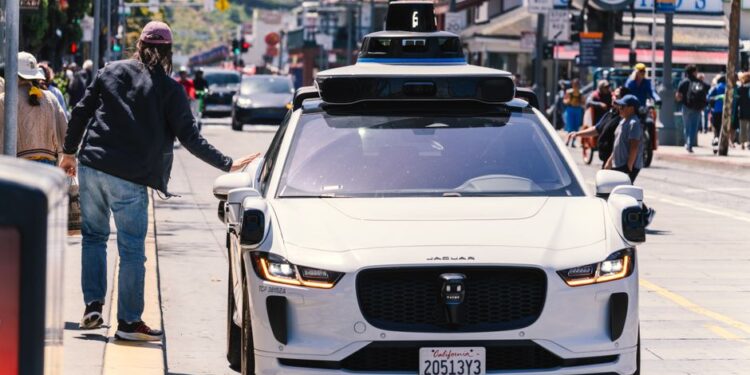
Waymo has introduced its new robotaxi service, the Ojai, in Los Angeles, Phoenix, and San Francisco, aiming to make autonomous rides more accessible and affordable.

Waymo has launched its new robotaxi service, the Ojai, in Los Angeles, Phoenix, and San Francisco. This service is now available to all riders. This marks an important milestone for the Alphabet company. With about 300 Ojai vehicles in its fleet, Waymo aims to expand and make autonomous rides more accessible.
The Ojai robotaxi is cheaper to build and operate than its predecessor, the Jaguar I-Pace. This change fits Waymo’s long-term goal of achieving mass scale and profitability in the autonomous vehicle market. The Ojai features Waymo’s sixth-generation self-driving system, which improves its capabilities and efficiency. According to TechCrunch, this model is expected to lower operational costs significantly. This could allow Waymo to offer competitive prices that disrupt traditional ride-hailing services.
Impact on Urban Mobility and Transportation Startups
Waymo’s Ojai robotaxi service creates new opportunities for urban transportation innovators. The service’s lower cost is likely to attract more users, leading to higher demand for autonomous vehicle solutions. Transportation startups can take advantage of this trend to develop technologies like ride-hailing apps and fleet management systems. A report by Fox News notes that the growing acceptance of affordable autonomous vehicle services shows a shift in consumer preferences toward cost-effective mobility solutions. With Waymo leading the way, other companies may be inspired to innovate and compete.
Additionally, the Ojai’s launch could create jobs in robotics and transportation. As demand for autonomous rides grows, skilled professionals will be needed to design, develop, and maintain these systems. This trend offers robotics engineers a chance to apply their skills in creating advanced technologies for the robotaxi market. The Ojai’s modular design allows for easy integration of new technologies, which may inspire startups to explore innovative uses of AI and machine learning in transportation. Companies that embrace these advancements will likely gain a competitive edge.
As demand for autonomous rides grows, skilled professionals will be needed to design, develop, and maintain these systems.
Moreover, the Ojai’s launch represents a cultural shift in how urban residents view transportation. As more people use autonomous vehicles, we may see a significant drop in traffic congestion and pollution. These vehicles are designed to operate efficiently in cities. This change could lead to a more sustainable future, where public transportation and autonomous rideshare services work together to meet residents’ needs.
Waymo’s Strategic Positioning in the Market
Waymo’s strategy with the Ojai robotaxi reflects a broader trend toward affordable and sustainable mobility solutions. The vehicle’s design, developed with Zeekr, emphasizes durability and ease of access, making it appealing to riders. Waymo plans to expand its fleet and introduce the Ojai in more cities, including Denver, Las Vegas, and San Diego. This expansion is vital for establishing a strong presence in urban transportation.
You may also like
 Industry & Global Trends
BT Expands Reach with TalkTalk Acquisition
The acquisition is seen as a strategic necessity for BT, allowing it to consolidate its position in a market that has seen increasing pressure from…
Read More →According to Fox News, the sixth-generation hardware in the Ojai is cheaper to produce. This cost efficiency could speed up Waymo’s service expansion. Competing against traditional ride-hailing services like Uber and Lyft is crucial for Waymo. As Waymo continues to innovate, it may change the competitive landscape for urban transportation. Career Ahead research shows that Waymo’s approach enhances its market presence and sets a standard for other companies. The focus on affordability and efficiency may push competitors to adopt similar strategies, benefiting consumers with lower prices and better services.
Furthermore, the Ojai robotaxi’s introduction may lead to regulatory discussions about autonomous vehicles. As the robotaxi market grows, policymakers will need to address safety standards, insurance requirements, and operational regulations. This evolving regulatory landscape will be important for startups and established companies as they navigate this new environment. The success of the Ojai could encourage further investment in autonomous vehicle technology and infrastructure, creating a stronger ecosystem for urban mobility solutions.
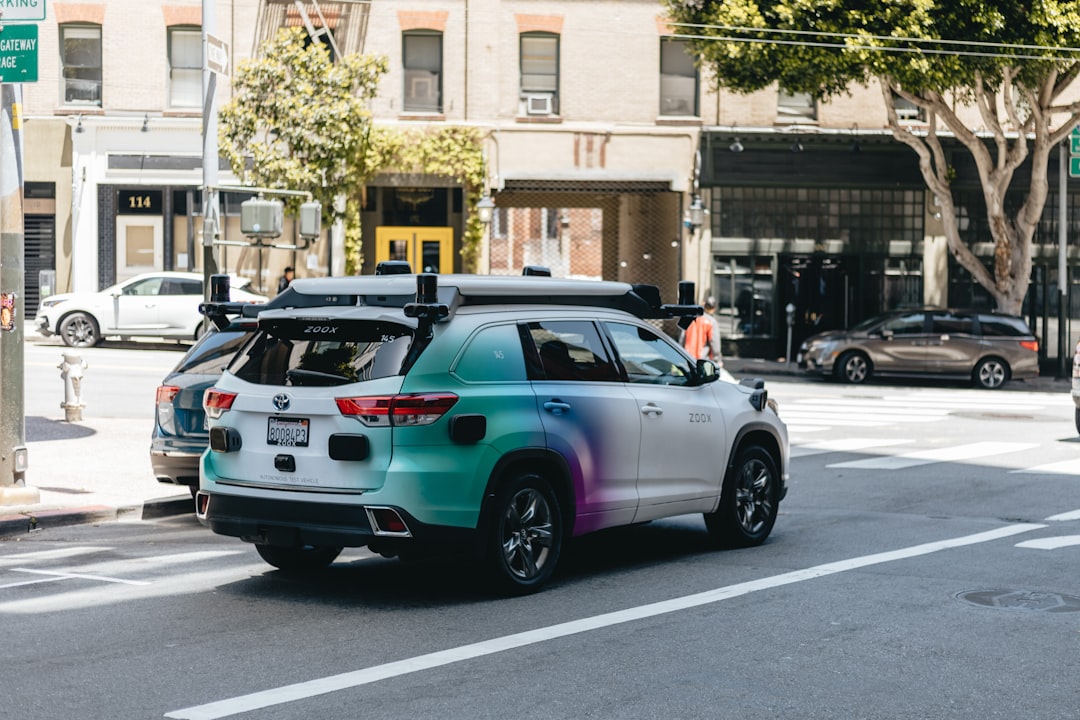
Waymo’s innovative approach to the robotaxi market raises questions about the future of urban transportation. As more companies enter the market, the demand for skilled professionals will likely rise. This will create a dynamic job market for robotics engineers and urban transportation innovators. The next few years will be crucial in shaping this sector and the opportunities it offers.
As more companies enter the market, the demand for skilled professionals will likely rise.
Frequently Asked Questions
What are the implications of Waymo’s robotaxi launch for urban transportation innovators?
Career Ahead’s analysis shows that Waymo’s Ojai robotaxi launch could drive innovation in urban transportation. Startups may find new chances to develop technologies that enhance user experience or improve operational efficiencies.
How can robotics engineers leverage the advancements in Waymo’s technology?
Robotics engineers can benefit from the rising demand for autonomous vehicle solutions driven by Waymo’s Ojai launch. This includes opportunities in designing, developing, and maintaining advanced systems that support the robotaxi market.
What should urban transportation startups consider in light of Waymo’s new service?
You may also like
 Industry & Global Trends
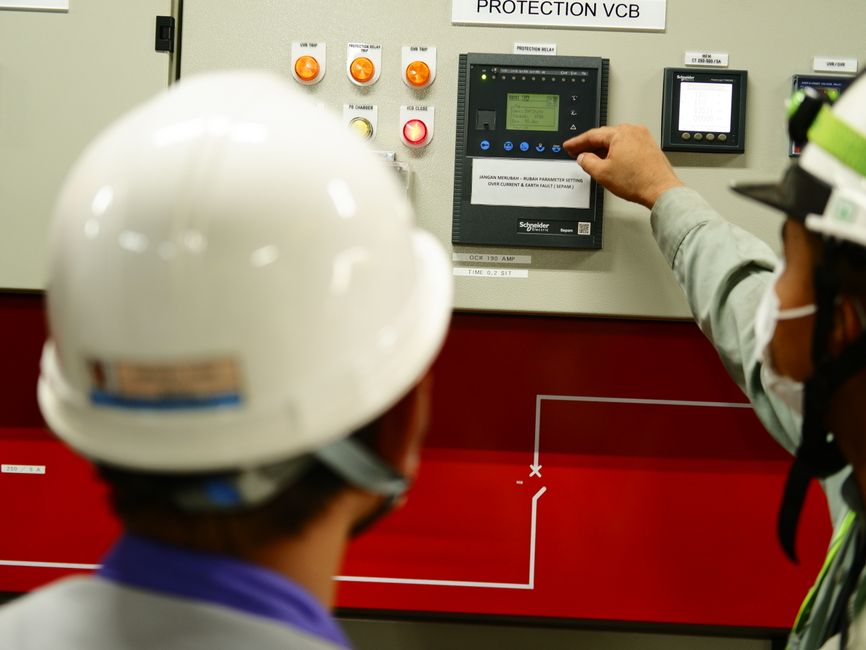
Mergers Reshape Automation Careers at Schneider Electric
Schneider Electric's aggressive investments in automation are reshaping the industry landscape in Europe. This shift is set to create significant job opportunities for automation engineers…
Read More →Urban transportation startups should focus on developing complementary technologies and solutions that enhance user experience. The trend toward affordable autonomous rides presents unique opportunities for innovation in the mobility sector.