

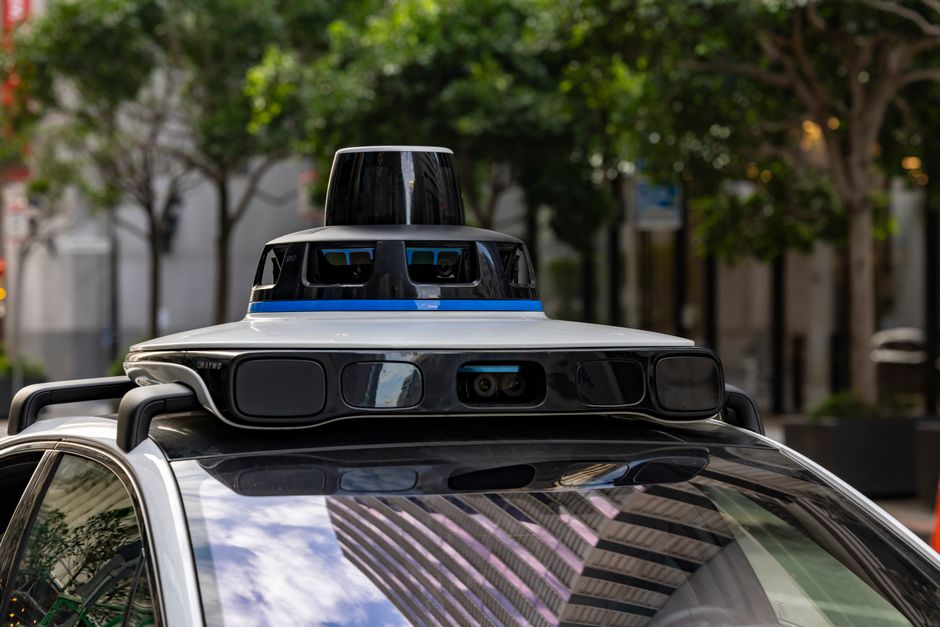
Wayve has made significant strides in autonomous driving technology, as discussed by CEO Alex Kendall in a recent interview. The company aims to revolutionize the transportation sector through advanced AI systems that can enhance the safety and efficiency of self-driving vehicles. This development, announced on October 6, 2026, highlights the growing importance of AI in the automotive industry.
The advancements presented by Wayve are not just technological feats; they hold substantial implications for regulatory standards and engineering practices. As autonomous vehicles become more capable, the need for updated regulations that ensure safety and accountability in their deployment is paramount. This shift is essential for fostering public trust and encouraging wider acceptance of autonomous driving technology.
Impact of Wayve’s Technology on Regulatory Standards
Wayve’s innovative approach to autonomous driving utilizes machine learning algorithms that enable vehicles to learn from their surroundings dynamically. This capability could lead to more adaptive traffic management systems that respond in real-time to changing conditions. Such advancements necessitate a reevaluation of existing regulatory frameworks to accommodate the unique challenges posed by AI-driven vehicles.
Regulatory bodies will need to establish guidelines that address liability issues, data privacy, and cybersecurity concerns associated with autonomous technology. For instance, the European Union has already begun drafting regulations that focus on the ethical use of AI in transportation. These regulations aim to ensure that autonomous systems are transparent and accountable, which is crucial for public acceptance. According to a report from MarketScreener, Wayve’s technology is positioned to meet these regulatory challenges by providing data-driven insights that can inform policy decisions.
Career Ahead analysis finds that as regulatory standards evolve, engineers specializing in autonomous systems will need to be well-versed in these new frameworks.
Furthermore, the integration of Wayve’s technology could lead to a more standardized approach to testing and certification processes for autonomous vehicles. As highlighted by recent discussions in the automotive sector, a unified regulatory framework can streamline the path to market for new technologies while ensuring safety and compliance across different jurisdictions. This standardization is vital as it can help mitigate the risks associated with the deployment of autonomous vehicles, ensuring that they meet safety benchmarks before being introduced to the public.
 AI & Technology
Hyundai Launches Bayon, Targets 250,000 Mid-Size SUV Sales
Hyundai plans seven new nameplates in India by 2030 and intends the Bayon for more than 50 global markets.
Read More →Career Ahead analysis finds that as regulatory standards evolve, engineers specializing in autonomous systems will need to be well-versed in these new frameworks. This includes understanding the legal implications of AI technology and how it interacts with existing laws. Engineers will also need to collaborate closely with policymakers to shape these regulations effectively, ensuring that technological advancements align with public safety and ethical considerations. The collaboration between engineers and regulators is crucial; as noted by Bloomberg, the future of driving hinges on how well these two sectors can work together to create a safe and efficient transportation ecosystem.
Emerging Skills Needed for Engineers in Autonomous Driving
This shift underscores the need for educational institutions to update their curricula to prepare future engineers for the challenges ahead.
The rapid evolution of autonomous driving technology is reshaping the skill requirements for engineers in the field. Traditional engineering skills are no longer sufficient; there is a growing demand for expertise in AI, machine learning, and data analytics. Engineers must be equipped to design systems that can process vast amounts of data in real-time, allowing vehicles to make informed decisions on the road.
Wayve’s advancements highlight the importance of interdisciplinary knowledge. Engineers will need to collaborate with experts in AI ethics, cybersecurity, and urban planning to create comprehensive solutions that address the complexities of autonomous driving. This collaborative approach will foster innovation and lead to better outcomes in vehicle design and functionality. As noted in a recent press release by Stellantis, the partnership between automotive manufacturers and tech companies like Wayve is essential for developing the next generation of autonomous vehicles that are not only safe but also efficient and user-friendly.

Moreover, as autonomous vehicles become more prevalent, engineers will need to focus on user experience and human factors. Understanding how drivers and passengers interact with these systems will be critical in designing interfaces that are intuitive and user-friendly. This emphasis on human-centered design will play a vital role in ensuring the successful integration of autonomous vehicles into everyday life. Career Ahead research identifies that engineers who can adapt to these evolving requirements will be in high demand. Those with a strong foundation in AI and machine learning, paired with skills in user experience design, will find themselves at the forefront of the industry. This shift underscores the need for educational institutions to update their curricula to prepare future engineers for the challenges ahead.
 AI & Technology
Barclays Cuts 5,000 Jobs as AI Drives Cost Savings
Barclays will cut 5,000 jobs, about 5% of its workforce, with 60% in support roles. The cuts are driven by AI advances.
Read More →As the industry evolves, continuous learning and adaptation will be key for engineers. They will need to stay abreast of the latest technological advancements and regulatory changes, ensuring that they remain relevant in a rapidly changing job market. The integration of AI into transportation systems is not just a trend; it represents a fundamental shift in how we approach mobility and engineering.
Wayve’s advancements in autonomous driving technology are also influencing broader trends in transportation policy. As autonomous vehicles become more capable, policymakers are tasked with addressing the implications for urban infrastructure and public transportation systems. This includes rethinking road designs, traffic management, and public transit integration to accommodate the needs of autonomous vehicles.
For instance, cities may need to invest in smart infrastructure that supports communication between vehicles and traffic systems. This could lead to a significant shift in how urban areas are designed, prioritizing efficiency and safety for both autonomous and traditional vehicles. The integration of AI into transportation systems could also enhance public transportation, making it more reliable and accessible.
Career Ahead analysis finds that as these trends unfold, transportation policy analysts will need to stay informed about technological advancements and their implications.
Furthermore, as the technology matures, there may be a push for incentives to encourage the adoption of autonomous vehicles. These could include tax breaks for companies investing in autonomous technology or subsidies for consumers purchasing self-driving cars. Such policies will play a crucial role in accelerating the transition to a more automated transportation landscape.
Career Ahead analysis finds that as these trends unfold, transportation policy analysts will need to stay informed about technological advancements and their implications. This knowledge will be essential in shaping policies that promote innovation while ensuring public safety and welfare.
The developments in autonomous driving technology are not just a technological shift; they represent a fundamental change in how society approaches transportation. As Wayve continues to push the boundaries of what is possible, the future of driving looks increasingly automated and interconnected.
 AI & Technology
IIT Madras Launches UDYOG Biotech Finishing School
The training pathway includes online courses, laboratory training, pilot-scale exposure and opportunities for industry internships.
Read More →Written by Career Ahead AI. AI can make mistakes, so verify key facts. Report errors to support@careeraheadonline.com.





