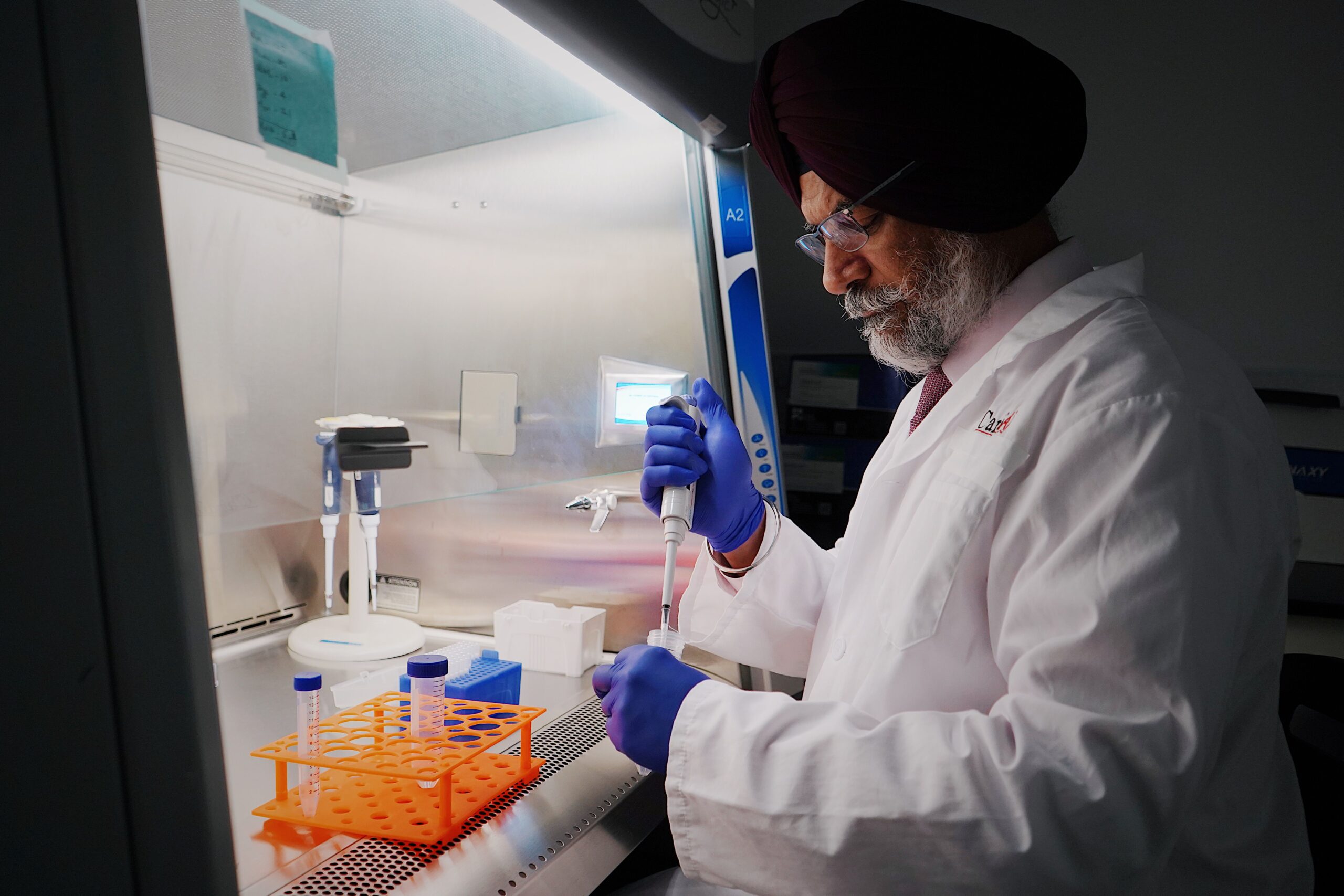
The government’s strategy includes regulatory reforms and digital compliance systems that cover various waste streams, reinforcing the notion that waste should be viewed not as the end of a product's
India is improving its waste management system to boost recycling and sustainability. Union Environment Minister Bhupender Yadav announced this at the 10th World Circular Economy Forum in Gandhinagar on September 15, 2026. The goal is to make economic growth more resource-efficient and resilient. This will be done by expanding recycling infrastructure and creating markets for recycled materials.
The government’s plan includes regulatory reforms and digital compliance systems. These will cover various waste streams. This approach reinforces the idea that waste is not the end of a product’s life but the start of a new resource cycle. Minister Yadav stressed the importance of extended producer responsibility (EPR). This requires producers and brand owners to manage their products’ end-of-life sustainably. He stated, “The true measure of a circular economy will not be how much waste is recycled, but how little value we allow to be wasted.” This highlights the need for a new perspective on waste management.
Strengthening Recycling Infrastructure and Markets
India’s commitment to improving recycling is clear. As of August 2026, over 83,000 producers and 4,802 recyclers were registered under the EPR framework. Together, they processed nearly 482.24 lakh metric tonnes of waste. This strong framework encourages new recycling technologies and promotes eco-design and circular procurement. The government’s circular economy strategy focuses on regulatory reforms and digital compliance systems that cover multiple waste streams. This is vital for creating a sustainable recycling ecosystem.
Career Ahead’s analysis shows that these changes create a great environment for recycling technology innovators. Expanding recycling infrastructure boosts the capacity to process waste and increases demand for advanced recycling technologies. Companies offering innovative solutions to improve efficiency and cut costs are likely to succeed in this changing market. Developing markets for recycled materials will help connect waste generation and recycling. This will stimulate economic growth while reducing environmental impact. Waste management professionals must adapt to these new market dynamics and regulatory requirements.
Waste management professionals must adapt to these new market dynamics and regulatory requirements.
Moreover, the government’s Mission LiFE initiative encourages mindful resource use. It promotes habits that prioritize recycling and waste reduction among citizens. This cultural shift towards sustainability will further strengthen the recycling market. It will create opportunities for professionals dedicated to waste management and recycling. As the circular economy concept gains popularity, stakeholders must recognize the link between economic growth and environmental sustainability. This connection is increasingly acknowledged in policy discussions, as noted by the Economic Times.
The introduction of Next-Gen GST marks a significant shift in India's tax landscape, aiming to streamline compliance and enhance operational efficiency for businesses. Under Finance…
The EPR framework marks a significant change in India’s waste management policies. This regulation shifts responsibility from local authorities to producers. Producers must ensure their products are disposed of responsibly. This approach enhances accountability and encourages producers to design longer-lasting products. The regulatory reforms under the Environment Protection Act, 1986, cover various waste streams, including plastic, e-waste, and construction debris. They establish clear guidelines and compliance requirements that streamline waste management processes.
Career Ahead research indicates that these regulatory changes will increase job opportunities in the waste management sector. As companies adapt to new regulations, they will need skilled professionals to manage compliance, implement sustainable practices, and optimize recycling processes. This demand for expertise presents a significant opportunity for individuals looking to enter or advance in the waste management field. The focus on digital compliance systems will improve monitoring and reporting of waste management activities, enhancing transparency and accountability. Sustainability consultants will be essential in helping organizations adopt new technologies and meet regulatory requirements.
Integrating digital tools into waste management practices also fosters innovation. Companies using technology to streamline operations and improve efficiency will likely gain a competitive edge. This trend shows the importance of adaptability and continuous learning for professionals in waste management and recycling. As noted by the BBC, collaboration between India and international partners, such as the European Union, on resource efficiency and circular economy initiatives will boost the country’s recycling capabilities. This will facilitate knowledge exchange and technology transfer that benefits local innovators and businesses.
The impact of India’s new waste management regulations goes beyond immediate changes. The government’s focus on sustainability and resource efficiency positions the recycling sector as a key part of India’s economic growth strategy. As the nation balances environmental concerns with economic development, the recycling industry will play a crucial role. The success of these initiatives will depend on the collective efforts of government, industry, and consumers. Transitioning to a circular economy requires a cultural shift towards sustainability. All stakeholders must embrace this change to realize the full potential of India’s waste management reforms.
Aptitude rounds, company-specific interviews and one-offer policies shape a practical preparation order for students seeking campus internships or jobs.
This trend shows the importance of adaptability and continuous learning for professionals in waste management and recycling.
Frequently Asked Questions
What new regulations should waste management professionals be aware of?
India’s new waste management regulations include the extended producer responsibility (EPR) framework. This mandates producers to manage their products’ end-of-life sustainably. Additionally, reforms under the Environment Protection Act cover various waste streams, requiring compliance with specific guidelines.
How can recycling technology innovators adapt to India’s evolving market?
Recycling technology innovators can adapt by developing solutions that enhance efficiency and reduce costs in waste processing. They should also align their products with government regulatory requirements to ensure market relevance.
What skills are needed for sustainability consultants in light of India’s circular economy initiatives?
Sustainability consultants need skills in regulatory compliance, data analysis, and technology implementation. These skills will help organizations adapt to new waste management regulations. Understanding circular economy principles will also be crucial for providing effective guidance.
Written by Career Ahead AI. AI can make mistakes, so verify key facts. Report errors to support@careeraheadonline.com.
Career Ahead AI is Career Ahead Magazine's in-house AI newsroom, reporting on careers, education, jobs and business. It produces original summaries and analysis drawn from publicly available sources, with those sources credited, and operates under the editorial oversight of the Career Ahead team. AI can make mistakes, so please tell us when something looks wrong. Corrections, copyright or takedown requests…


 Government & Policy
Government & Policy