No products in the cart.

What’s Next for Apple with John Ternus at the Helm?

John Ternus has taken over as CEO of Apple, steering the company towards a future focused on AI and innovative hardware, starting with the launch of the iPhone Duo. This shift in leadership style and strategy is set to redefine Apple's product development and market positioning.

Cupertino, California — John Ternus has officially taken the helm as CEO of Apple, marking a new chapter for the tech giant. His first major product launch, the iPhone Duo, debuted recently, signaling a pivotal moment in Apple’s strategy. Ternus aims to transition Apple from its iPhone-centric model into a future defined by artificial intelligence and innovative hardware.
This transition is crucial as Apple faces increasing competition in the tech landscape. Ternus’ leadership will be instrumental in determining how Apple adapts to these challenges. The stakes are high, especially for product managers and hardware engineers who are at the forefront of this transformation.
Shifting the Innovation Paradigm at Apple
Under Ternus, Apple is embracing a more decisive leadership style compared to his predecessor, Tim Cook. Where Cook often favored a collaborative approach, Ternus has shown a willingness to make bold decisions and take clear stances, particularly regarding AI technologies. This shift could lead to faster development cycles and more innovative products, as Ternus pushes his teams to deliver results swiftly.
Career Ahead’s analysis of Apple’s recent product launches indicates that Ternus is prioritizing AI integration across all new devices. During the recent launch event, he emphasized the importance of the intelligent personal hub, which aims to centralize user experiences around AI capabilities. This focus on AI is not just a trend; it’s a strategic move to position Apple as a leader in the next wave of technology.
The introduction of the iPhone Duo, Apple’s first foldable smartphone, exemplifies this shift. Ternus has made it clear that he wants to redefine what consumers expect from mobile devices. By incorporating advanced AI features into the iPhone Duo, Apple is not only enhancing user experience but also setting the stage for future innovations that could redefine the smartphone market.
As Apple pivots towards AI, product managers and engineers will need to adapt to new workflows and technologies. This may involve rethinking product features and user interactions to leverage AI’s capabilities fully. Ternus’ vision requires teams to be agile and innovative, which could reshape how Apple develops its products moving forward.
As Apple pivots towards AI, product managers and engineers will need to adapt to new workflows and technologies.
The Impact on Product Development Timelines
With Ternus at the helm, Apple’s product development timelines are likely to change significantly. His decisive leadership style suggests that projects may move from concept to launch more quickly than under Cook’s tenure. This acceleration could be particularly beneficial for product managers who thrive in fast-paced environments.
Data from Career Ahead’s review indicates that tech companies increasingly prioritize speed in product development to stay competitive. Ternus’ approach aligns with this trend, potentially leading to shorter development cycles and more frequent product updates. For hardware engineers, this means adapting to an environment where rapid prototyping and iterative design are essential.
Moreover, Ternus’ emphasis on AI integration could also alter the skills required for engineers and product managers. As Apple moves towards smarter devices, professionals will need to focus on understanding AI technologies and how they can be applied to enhance product functionality. This shift may necessitate upskilling and continuous learning to keep pace with evolving demands.
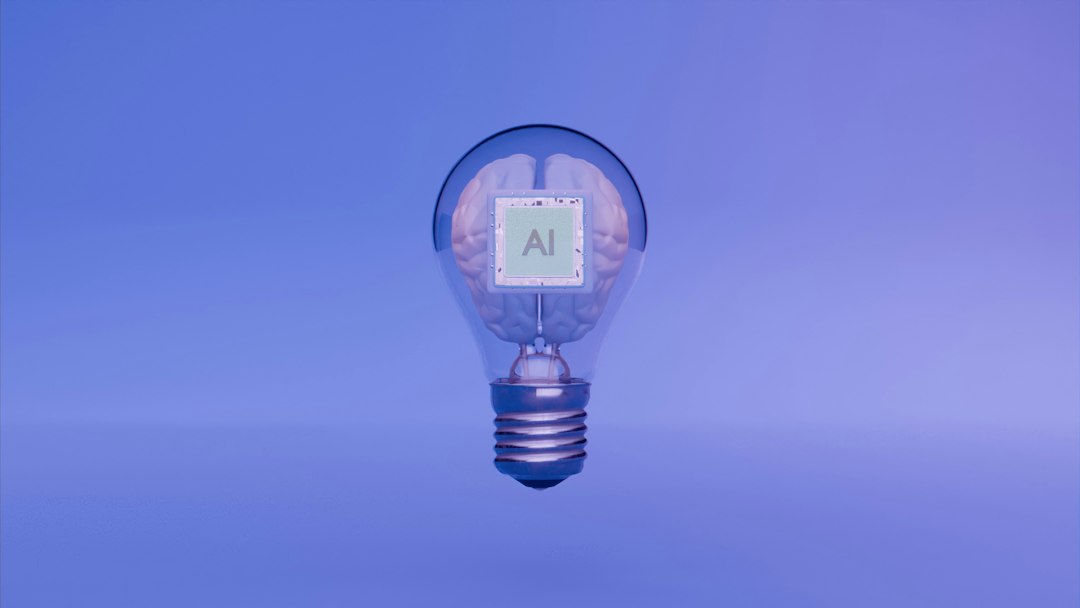
As Apple continues to innovate, the internal structure of teams may also undergo changes. Ternus may implement new team dynamics that prioritize cross-functional collaboration, blending hardware and software expertise to create integrated solutions. Such a shift could foster a culture of innovation within Apple, encouraging teams to work together more effectively.
Preparing for the Future: Skills and Adaptations As Apple embarks on this new journey under Ternus, the demand for specific skill sets will evolve.
Preparing for the Future: Skills and Adaptations
As Apple embarks on this new journey under Ternus, the demand for specific skill sets will evolve. Product managers will need to become adept at integrating AI features into their strategies, understanding not just the technology but also its implications for user experience. This could involve collaborating closely with AI specialists and data scientists to ensure products meet user needs effectively.
For hardware engineers, the focus will likely shift towards developing devices that are not only functional but also intelligent. This means a greater emphasis on software-hardware integration, as well as an understanding of machine learning algorithms that can enhance device capabilities. Engineers will need to be proactive in adapting to these new technologies, ensuring they remain relevant in a rapidly changing landscape.
Career Ahead research identifies that professionals who can bridge the gap between hardware and AI will be in high demand. As Apple leads the charge in AI-driven innovation, those with the right skills will find themselves at the forefront of the industry. This is an exciting time for engineers and product managers as they prepare to shape the future of technology.
With Ternus steering Apple towards a future defined by AI, the next few years will be critical for the company and its employees. The success of this transition will depend on how well teams can adapt to new technologies and workflows. Ternus’ leadership will be closely watched as Apple aims to redefine its place in the tech world.
As Apple continues to unveil new products and strategies, the question remains: will Ternus’ vision for AI and innovation resonate with consumers and set the stage for Apple’s next big leap? The tech community is eager to see how these developments unfold.
Product managers should focus on understanding AI technologies and their applications in product development.
Frequently Asked Questions
What are the key innovation strategies at Apple under John Ternus?
Career Ahead’s analysis shows that under John Ternus, Apple is focusing on integrating AI across all products and enhancing user experiences. The recent launch of the iPhone Duo highlights this shift towards smarter devices.
How can product managers adapt to changes in Apple’s development focus?
Product managers should focus on understanding AI technologies and their applications in product development. Collaborating with AI specialists will be crucial to ensure products meet evolving user expectations.
What skills should hardware engineers develop to align with Apple’s future products?
Hardware engineers should enhance their skills in software-hardware integration and machine learning. As Apple prioritizes AI-driven innovation, engineers with these skills will be in high demand.
Written by Career Ahead AI. AI can make mistakes, so verify key facts. Report errors to support@careeraheadonline.com.