No products in the cart.

WhatsApp Username Feature Raises Privacy Red Flags

WhatsApp's new username feature aims to enhance user privacy but raises significant concerns about impersonation and security. With government scrutiny intensifying, users must navigate the balance between privacy and safety in their communications.

WhatsApp has launched a new username feature to improve user privacy. However, this change has raised concerns amid government scrutiny. The feature allows users to create unique identifiers. This lets them communicate without sharing their phone numbers. But it has also raised alarms about impersonation and fraud risks, leading the Indian government to step in.
This feature lets users choose a username instead of their phone number. This helps keep contact information private. Users can share their usernames and communicate without exposing their phone numbers. This change comes as the government closely monitors social media for compliance with privacy regulations.
Understanding the Username Feature and Its Implications
According to business-standard.com, WhatsApp’s username feature is optional. It aims to help users maintain privacy. Users can create a username that will show instead of their phone number when they chat with others who do not have their contact saved. This is a big change for a platform that usually relies on phone numbers for identification.
However, this feature has raised concerns about impersonation. Users could create usernames similar to well-known individuals, increasing the risk of fraud. As reported by moneycontrol.com, WhatsApp knows about these risks. They have put measures in place to reduce them, like monitoring impersonation reports and warning users about unknown contacts.
WhatsApp’s FAQs state that while usernames can protect phone numbers, they do not eliminate unwanted contact risks. Users can still receive messages from anyone who knows their username, which could lead to harassment or scams. The platform has introduced a ‘username key’ that users can activate. This adds an extra layer of control over who can contact them through their username.
Despite these measures, the effectiveness of the username key is still uncertain. Users must weigh the convenience of using a username against the potential risks. The Indian government’s scrutiny highlights the need for strong privacy protections on social media, especially with rising data security concerns.
Despite these measures, the effectiveness of the username key is still uncertain.
The Government’s Role in Social Media Privacy
You may also like
 Government & Policy
Next-Gen GST and India’s next phase of growth
The introduction of Next-Gen GST marks a significant shift in India's tax landscape, aiming to streamline compliance and enhance operational efficiency for businesses. Under Finance…
Read More →The rollout of WhatsApp’s username feature occurs amid increasing government scrutiny of social media privacy policies. The Indian government has raised alarms about potential fraud and impersonation risks. This has led WhatsApp to pause the feature until consultations are complete. This intervention shows growing concerns about how social media platforms handle user data and privacy.
As the government seeks to protect user data, WhatsApp faces pressure to implement safeguards. The Centre’s notice to Meta Platforms, WhatsApp’s parent company, emphasizes the need to comply with national regulations on privacy and data security. This scrutiny aligns with a global trend of governments tightening regulations on tech companies to protect consumer rights.
Career Ahead’s analysis suggests that government involvement may lead to stricter regulations for social media platforms in India. As users become more aware of privacy issues, they may demand greater transparency and accountability. This could change how companies like WhatsApp manage user data and privacy settings.

Public sentiment is also shifting towards prioritizing privacy. Users are increasingly concerned about how their data is used and shared. This has led to calls for stronger privacy protections. As WhatsApp faces these challenges, it must balance user privacy with preventing misuse of its platform.
As the situation develops, WhatsApp must adapt to the regulatory landscape while addressing user privacy and security concerns. The company’s response to government scrutiny will likely set a standard for how other social media platforms handle similar issues.
They should use available security features, like the username key.
WhatsApp’s new username feature raises important questions about user privacy and impersonation risks. As this feature rolls out, users must stay alert about their online safety. They should be aware of the risks of sharing their usernames. Choosing a username offers some privacy, but users need to manage their online presence actively.
Implications for Users and Cybersecurity Professionals
The introduction of usernames on WhatsApp brings unique challenges for users and cybersecurity professionals. For users, the ability to communicate without sharing phone numbers is appealing. However, it requires a better understanding of privacy settings and potential risks. Users should know that even with a username, their privacy is not guaranteed. They should use available security features, like the username key.
You may also like
 Government & Policy
NPS Swasthya Revolutionizes Healthcare Savings Model
The NPS Swasthya model addresses the financial strain of medical emergencies, particularly during retirement when income may be limited.
Read More →Cybersecurity professionals must monitor the implications of this new feature. They need to assess the risks of impersonation and fraud as users adopt usernames. The absence of a searchable directory means that while usernames may limit unwanted contact, they also create opportunities for malicious actors to deceive others with similar usernames.
Career Ahead research indicates that WhatsApp’s security measures will be tested as the feature becomes more popular. Cybersecurity professionals must develop strategies to educate users about the risks of the username feature. They should inform users about best practices for online safety through awareness campaigns or resources.
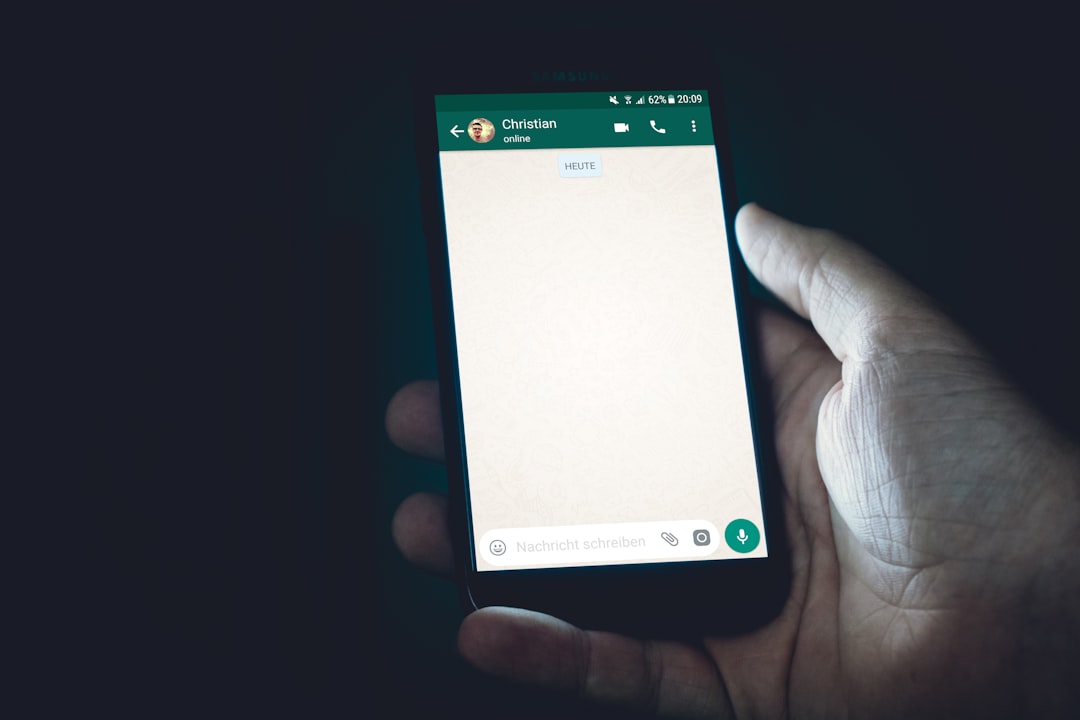
As the government continues to scrutinize social media privacy policies, WhatsApp will face increasing pressure to enhance security measures. Users and cybersecurity professionals must work together to navigate these challenges. They should prioritize privacy while minimizing the risks of fraud and impersonation.
Career Ahead’s review shows that while users can choose unique usernames, anyone who knows your username can contact you.
Looking ahead, the effectiveness of WhatsApp’s username feature in protecting user privacy will depend on ongoing user engagement and feedback. As more users adopt this feature, the platform must stay responsive to emerging risks and user concerns, adapting its policies and features accordingly.
Frequently Asked Questions
Can someone find me using my WhatsApp username?
Career Ahead’s review shows that while users can choose unique usernames, anyone who knows your username can contact you. Therefore, sharing your username carries some risk, as it may lead to unwanted messages.
What are the risks of being impersonated on WhatsApp?
Impersonation risks exist with the new username feature, especially if someone creates a username similar to yours. Users must be vigilant and report any suspicious accounts to WhatsApp to reduce these risks.
You may also like
 Government & Policy
UK Weighs Tariffs on Chinese Car Imports
The UK government is considering tariffs on Chinese car imports to align with EU regulations, amid rising market share of Chinese brands in the UK…
Read More →
What should WhatsApp users do to enhance their privacy with the new username feature?
To enhance privacy, users should use the username key feature, which restricts who can message them. Additionally, being cautious about sharing usernames and regularly reviewing privacy settings can help protect personal information.