No products in the cart.

When the AI Bubble Bursts, What Happens Next?

The AI bubble is set to burst, raising questions about humanity's control over technology. What does this mean for the future?

San Francisco, USA — The current AI landscape is marked by a frenzy of investment and hype that many experts are calling a bubble. With companies like OpenAI at the forefront, the implications of a potential correction in this sector are significant for individuals and businesses alike. As we navigate 2025, understanding the repercussions of this bubble bursting is crucial for anyone invested in the future of work and technology.
OpenAI’s ChatGPT has become a household name, boasting around 800 million weekly users within just three years of its launch. Its parent company, valued at approximately $500 billion, has forged intricate partnerships with tech giants like Microsoft and Google. These collaborations have led to an investment surge, totaling about $1.5 trillion, aimed at establishing a robust AI infrastructure. However, as history teaches us, bubbles can burst, and when they do, the fallout can reshape industries and careers.
The conversation around AI is not just about technological advancement; it’s also about the economic realities that come with it. Analysts draw parallels between the current AI boom and previous industrial bubbles, such as the dot-com bubble of the early 2000s. The warning signs are evident, with prominent figures like Sam Altman acknowledging that many aspects of AI feel ‘bubbly’ right now. This acknowledgment raises an important question: what happens when the bubble bursts?
The Implications of AI’s Inevitable Correction
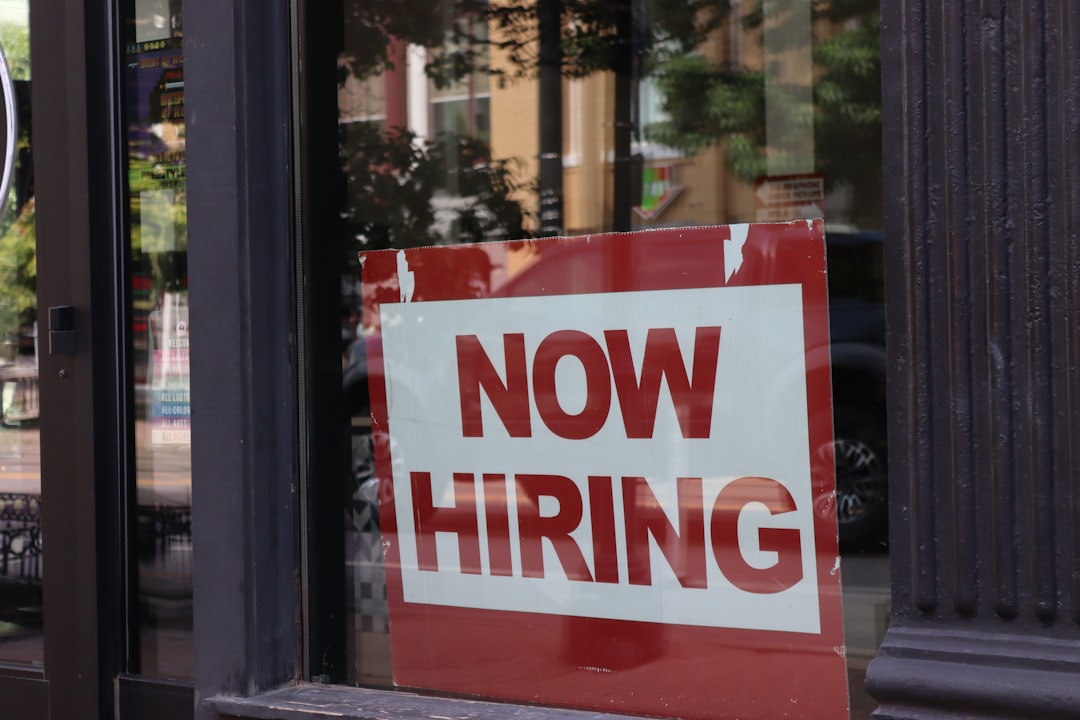
The potential bursting of the AI bubble could lead to significant shifts in the job market. For entry-level workers, many of whom are entering fields dominated by AI, there may be a sudden oversupply of talent. Companies might cut back on hiring as they reassess their investments in AI technologies. This could result in a more competitive job market, where traditional qualifications and skills regain their importance.
The need for continuous learning and upskilling will be paramount in this shifting landscape.
Mid-career professionals may face a different challenge. Those who have pivoted to AI-related roles might find their positions at risk if companies scale back their AI initiatives. The skills that once seemed cutting-edge could quickly lose value, leaving these workers scrambling to adapt. The need for continuous learning and upskilling will be paramount in this shifting landscape.
You may also like
 AI & Technology
AI Becomes Silent Co‑Founder in Boardrooms
The analysis below dissects how AI’s silent co‑founder status reconfigures decision‑making, risk.
Read More →For career switchers, the situation is equally daunting. Many have moved into tech and AI-driven roles, lured by the promise of high salaries and job security. However, as the AI bubble deflates, these individuals may find their new careers less stable than anticipated. This environment will demand resilience and flexibility as professionals seek to navigate an uncertain job market.
Preparing for a Post-Bubble Reality
As the AI bubble looms, it is essential for professionals to take proactive steps to safeguard their careers. Here are a few actionable strategies:
- Invest in foundational skills: Focus on developing skills that are less likely to be automated, such as critical thinking, creativity, and emotional intelligence. These skills will remain valuable regardless of technological advancements.
- Embrace lifelong learning: Consider enrolling in online courses or certifications that enhance your skill set. Platforms like Coursera and edX offer numerous options tailored to today’s job market.
- Network strategically: Build connections within your industry. Attend conferences, webinars, and networking events to stay informed about trends and opportunities.
- Diversify your portfolio: If you’re in a tech role, explore opportunities in adjacent fields. This could mean branching into data analysis, project management, or even entrepreneurship.
However, some experts caution against viewing the AI bubble solely through a negative lens. They argue that while a correction may be inevitable, it could also lead to a more sustainable and ethical approach to AI development. As Rafael Behr notes, the real challenge lies in ensuring that AI serves humanity rather than the other way around. This perspective emphasizes the need for regulation and thoughtful discourse as we navigate the complexities of AI technology.
Preparing for a Post-Bubble Reality As the AI bubble looms, it is essential for professionals to take proactive steps to safeguard their careers.
Envisioning a Responsible Future for AI
As we look ahead, the future of AI will depend significantly on how we respond to the impending corrections. There is potential for a more responsible and human-centered approach to AI development. This could lead to regulations that prioritize ethical considerations and societal benefits over mere profit.
The question remains: will we build a world where AI enhances human capabilities, or will we allow it to dictate our lives? As professionals, staying informed and adaptable will be crucial in shaping the future we desire. The choices we make today will determine the role AI plays in our lives tomorrow.
You may also like
 AI & Technology
Google’s AI Leadership Shift Impacts California Tech Talent
Google's shift in AI leadership from California is set to reshape the job landscape, creating new opportunities for AI professionals and intensifying competition with rivals…
Read More →