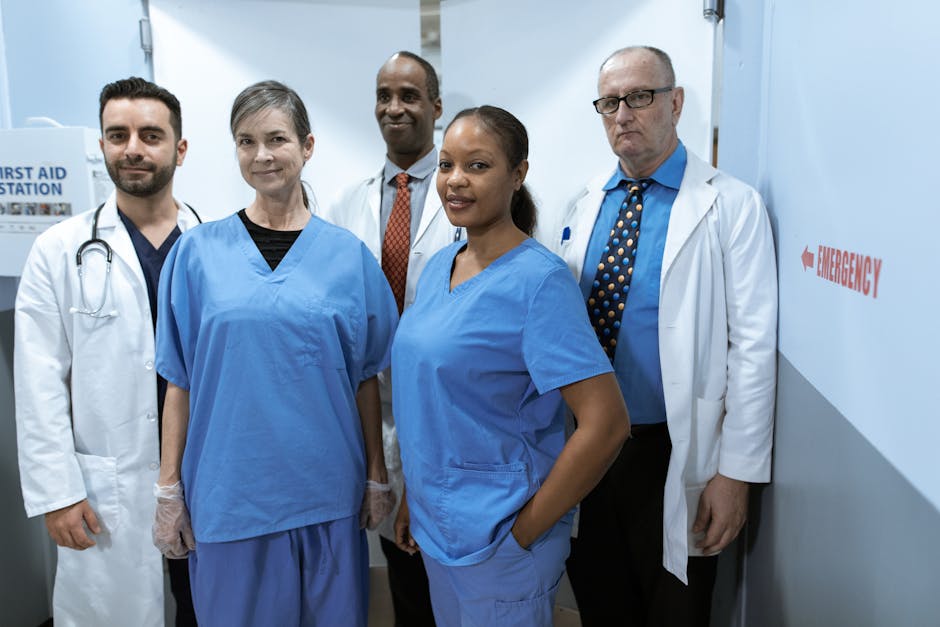
The World Health Organization (WHO) has released a stark warning regarding the global healthcare workforce. By 2025, the world is projected to face a shortage of 18 million healthcare workers. This crisis is not only alarming for public health but also critical for those pursuing a career in healthcare.
The WHO’s report highlights the increasing demand for healthcare services due to an aging population and rising health issues. countries are struggling to meet the needs of their citizens, leading to a concerning gap in healthcare provision. The shortage affects various sectors, including nursing, allied health, and geriatric care, making it essential for job seekers to understand the implications of this trend.
As healthcare systems grapple with these challenges, many regions are already feeling the strain. Countries like India and Brazil are experiencing significant shortfalls in their healthcare workforce, which could hinder their ability to provide adequate care. The WHO emphasizes that immediate action is necessary to address this crisis and ensure that healthcare systems can function effectively.
Why the Healthcare Worker Shortage Matters
The WHO’s findings are rooted in extensive research conducted since 1990, revealing that the global healthcare workforce has not kept pace with the growing demand. As populations age, the need for healthcare services increases, particularly in the fields of nursing and geriatric care. Reports indicate that by 2030, the number of elderly individuals is expected to rise significantly, further exacerbating the existing shortage.
Moreover, the COVID-19 pandemic has highlighted the vulnerabilities within healthcare systems worldwide. Many healthcare workers faced burnout, leading to early retirements and career changes. This situation has created a vacuum in the workforce, making it even more challenging to recruit and retain skilled professionals.
This situation has created a vacuum in the workforce, making it even more challenging to recruit and retain skilled professionals.
According to a recent report from the OECD, the demand for healthcare workers is projected to grow by 3% annually. This statistic underscores the urgent need for governments to invest in training programs and create favorable working conditions to attract new talent. The WHO’s report serves as a wake-up call for policymakers to prioritize healthcare workforce development.
As a result, young professionals entering the job market should consider the opportunities arising from this shortage. The demand for healthcare workers, particularly in nursing and allied health, is expected to increase dramatically. This trend presents a unique chance for those looking to build a career in these fields.
 News
NewsILO Study Finds Women Face High AI Exposure Risk
An ILO study found nearly one in ten women in high-income countries works in an occupation at the highest risk of AI exposure. The study…
Read More →Implications for Your Healthcare Career
The implications of the WHO’s report are profound for individuals pursuing careers in healthcare. Entry-level positions in nursing and allied health are likely to see increased demand, leading to competitive salaries and job security. For mid-career professionals, this shortage might present opportunities for advancement and specialization.
Furthermore, geographic hotspots are emerging as areas with the highest demand for healthcare workers. Regions like Southeast Asia and Eastern Europe are particularly affected, prompting governments to seek international talent. This trend opens doors for professionals willing to relocate for better job prospects.
However, it is essential to be aware of the skills that are gaining value in the current job market. Skills in geriatric care, telehealth, and mental health support are becoming increasingly important. As healthcare evolves, professionals who can adapt and upskill will find themselves in high demand.

For mid-career professionals, this shortage might present opportunities for advancement and specialization.
- Consider further education: Pursue additional certifications or degrees in nursing or allied health to enhance your employability.
- Network within the industry: Engage with healthcare professionals through forums and conferences to learn about job opportunities and trends.
- Stay informed on policy changes: Monitor government initiatives aimed at addressing the healthcare workforce shortage, as these may lead to new job openings.
However, experts caution that the projected shortage may not be as straightforward as it appears. While the demand for healthcare workers is rising, the supply chain for training and education remains complex. A recent study from the Harvard School of Public Health suggests that unless there are systemic changes in how healthcare education is delivered, the shortage could persist despite increased demand.
The Future of Healthcare Careers
Looking ahead, the future of healthcare careers is both promising and challenging. As the demand for healthcare workers continues to grow, professionals can expect a dynamic job market filled with opportunities. However, the sustainability of this growth will depend on how effectively governments and educational institutions respond to the crisis.
Investing in training programs and improving working conditions will be crucial in attracting new talent to the industry. Moreover, embracing technology and innovative care models will shape the future of healthcare delivery.
 News
NewsTikTok Settles Alabama Addiction Claims for $100 Million
TikTok has agreed to pay $100 million to settle a lawsuit regarding social media addiction claims, marking a significant shift in accountability for tech companies.
Read More →
As you navigate your career path in healthcare, consider how you can contribute to solving this pressing issue. What steps will you take to ensure you are prepared for the evolving demands of the healthcare workforce?
Written by Career Ahead AI. AI can make mistakes, so verify key facts. Report errors to support@careeraheadonline.com.