India’s job market is changing as AI technology advances. A recent analysis identifies eight professions that will remain secure from AI automation by 2026. These roles include healthcare professionals, creative artists, and skilled tradespeople. They rely on human qualities that AI cannot replicate.
Knowing which jobs are safe from AI is vital for young professionals and job seekers. As automation reshapes the job landscape, these roles will still need human skills. This makes them valuable in a tech-driven future.
Healthcare Professionals: The Human Touch in Medicine
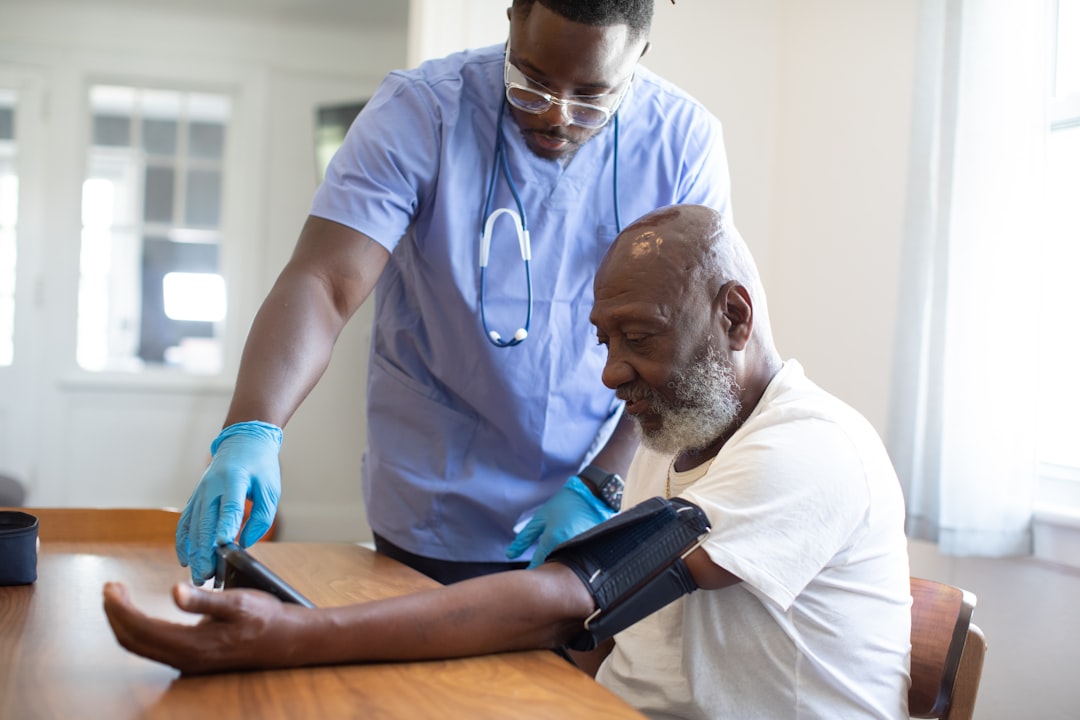
Healthcare professionals, like doctors and nurses, are expected to stay irreplaceable by AI. Their work depends on empathy, critical thinking, and personal interaction. AI can help with diagnostics and data management, but it lacks the human touch needed for patient care. For instance, registered nurses have only a 0.9% risk of automation, according to aitooldiscovery.com. This highlights their key role in comforting patients in distress.
Healthcare professionals must make complex decisions under pressure. Emergency situations often require quick assessments and emotional intelligence that AI cannot provide. For example, making life-or-death decisions during surgeries relies on human intuition.
As the population ages, the demand for healthcare workers will grow. The World Health Organization estimates a global shortage of 18 million healthcare workers by 2030. This further emphasizes the importance of human roles in healthcare.
Healthcare professionals will adapt to new technologies, but their core skills will remain vital. Ongoing education and training in emerging medical technologies will help them stay relevant while providing care that AI cannot replicate.
Healthcare professionals will adapt to new technologies, but their core skills will remain vital.
As healthcare evolves, AI will enhance services but not replace the human element. Patients will always seek the empathy and understanding that only trained professionals can provide.
Creativity: The Unique Value of Human Artists
The creative industry, which includes artists, writers, and designers, is another area where human skills are irreplaceable. AI can generate content, but it cannot replicate the unique human experiences and emotions that drive creativity. According to upwork.com, roles in the creative sector are expected to thrive because they require innovation and personal expression that machines cannot achieve.
Artists often draw inspiration from their life experiences, cultural backgrounds, and emotions. This depth of understanding allows them to create works that resonate with audiences. While AI can mimic styles or generate images, it cannot convey genuine human emotions.
Moreover, the collaborative nature of creative work highlights the need for human involvement. Projects often require brainstorming, feedback, and emotional connections among team members, which AI cannot facilitate. Therefore, creative professionals will continue to shape narratives and visual experiences.
As technology advances, the demand for unique human perspectives in creative fields will grow. Businesses will seek artists who can provide innovative solutions and fresh ideas that help them stand out in a competitive market.
Their work requires hands-on expertise, technical skills, and adaptability in unpredictable environments.
In a world filled with content, the ability to tell compelling stories and create meaningful connections will ensure that creative professionals remain in demand.
Skilled Trades: Expertise Beyond Automation
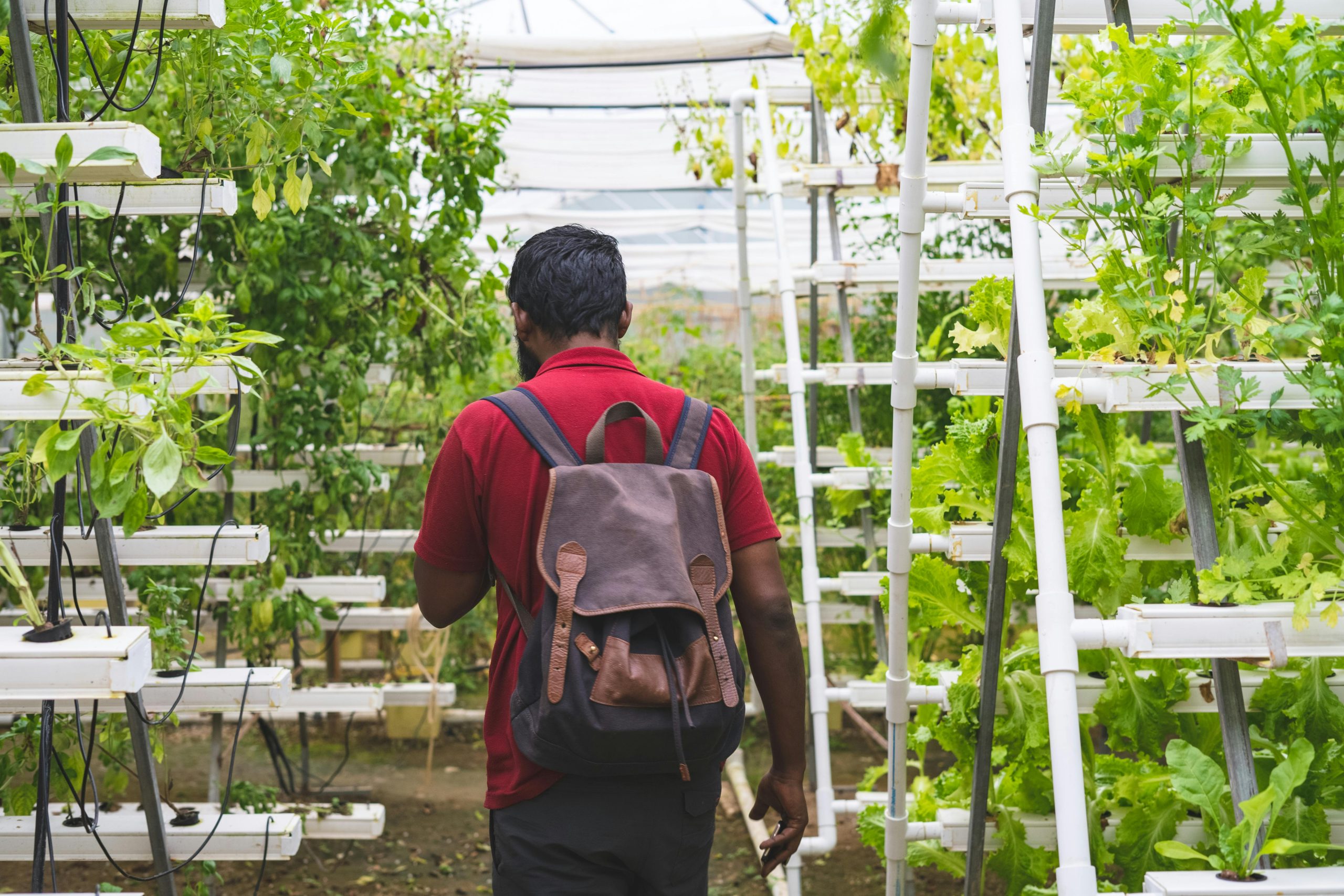
Skilled tradespeople, such as electricians, plumbers, and carpenters, are also safe from AI replacement. Their work requires hands-on expertise, technical skills, and adaptability in unpredictable environments. Research from unnatiq.com shows that jobs in skilled trades face a low risk of automation. Many tasks need physical presence and real-time decision-making.
For example, electricians work in complex environments where each job presents unique challenges. They must navigate building codes, electrical systems, and safety regulations. This requires expertise that AI cannot provide. The ability to assess situations and make judgment calls on the spot is crucial in these roles.
Additionally, the physical nature of skilled trades means many tasks cannot be performed by machines. Installing plumbing systems or repairing electrical issues requires manual dexterity and physical strength. AI may assist in diagnostics or planning, but humans must execute these tasks.
As the construction and maintenance sectors grow, the demand for skilled tradespeople is expected to rise. With the development of smart homes and buildings, new opportunities will emerge for tradespeople. They will need to integrate technology while maintaining the hands-on skills that define their professions.
As we approach 2026, the relationship between AI and human skills will shape the job market. While automation will change many roles, the resilience of healthcare professionals, creative artists, and skilled tradespeople shows the lasting value of human expertise.
Healthcare professionals should enhance their emotional intelligence and technical skills.
Frequently Asked Questions
What skills should healthcare professionals develop to stay relevant?
Healthcare professionals should enhance their emotional intelligence and technical skills. Continuous training in new medical technologies and patient care techniques is essential for adapting to the evolving healthcare landscape.
How can creative industry artists enhance their unique value against AI?
Creative artists can enhance their value by embracing collaboration and storytelling. By integrating personal experiences and cultural insights into their work, they can create authentic content that resonates with audiences.

What training is necessary for skilled tradespeople to adapt to technological changes?
Skilled tradespeople should pursue training in new technologies relevant to their field, such as smart home systems and renewable energy solutions. Staying updated on industry standards and safety regulations is also crucial for maintaining their competitive edge.
Written by Career Ahead AI. AI can make mistakes, so verify key facts. Report errors to support@careeraheadonline.com.