

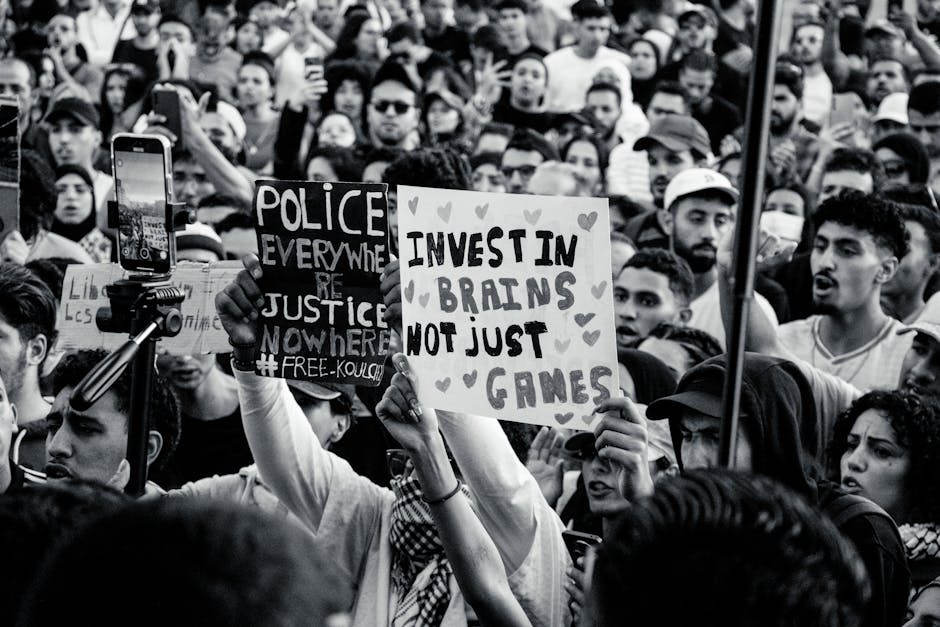
Washington, D.C. — In 2025, Gen Z is not just a demographic; they are a formidable political force. This generation, born between 1997 and 2012, is stepping into the political arena with unprecedented fervor, driven by a unique blend of technology, activism, and a desire for systemic change. Recent data indicates that 62% of eligible Gen Z voters participated in the 2024 elections, a significant increase from the 50% turnout in 2020, according to the U.S. Census Bureau.
The implications of this surge in political engagement are profound. As the first generation to grow up with social media as a primary means of communication, Gen Z is adept at mobilizing support for causes they care about. Their activism is not confined to traditional methods; they leverage platforms like TikTok, Instagram, and Twitter to amplify their voices and drive political discourse. This shift is not just a trend; it represents a fundamental change in how political engagement is conceptualized and executed.
Why This Matters Now
The significance of Gen Z’s political influence extends beyond mere numbers. Their engagement is reshaping the political landscape, compelling parties and candidates to address issues that resonate with younger voters. Climate change, social justice, and mental health are at the forefront of their concerns, pushing these topics into mainstream political discussions. As a result, political leaders are increasingly recognizing the need to align their platforms with the values and priorities of this generation.
Moreover, the impact of Gen Z’s activism is being felt globally. Countries around the world are witnessing similar trends, with youth-led movements advocating for democracy, climate action, and social equity. The global nature of these movements highlights a collective desire for change that transcends borders, suggesting that Gen Z’s influence could have far-reaching implications for democratic processes worldwide.
Context and Background
Moreover, the impact of Gen Z’s activism is being felt globally.
Historically, youth engagement in politics has fluctuated. In the early 2000s, voter turnout among young people was relatively low, often hovering around 40%. However, the 2008 election marked a turning point, with the election of Barack Obama inspiring a wave of youth participation. Since then, each election cycle has seen gradual increases in youth turnout, but the 2024 election represents a watershed moment.
 Government & Policy
Chinese Brands Drop Mbappé After Mao Joke Backlash
Mengniu and Dongpeng condemned words that hurt Chinese sentiment, while CCTV suspended La Liga matches, according to The Paper.
Read More →According to the Center for Information & Research on Civic Learning and Engagement (CIRCLE), the 2024 election saw a 12-point increase in turnout among 18- to 29-year-olds compared to 2020. This surge can be attributed to several factors, including heightened awareness of social issues, the impact of the COVID-19 pandemic, and the mobilization efforts of organizations like Rock the Vote and Vote.org.
In addition, Gen Z’s relationship with technology plays a crucial role in their political engagement. The Pew Research Center reports that 95% of teens have access to a smartphone, making it easier than ever for them to engage with political content, organize events, and participate in discussions. This digital fluency allows Gen Z to navigate and influence political narratives in ways previous generations could not.
Analysis of Perspectives
Experts agree that Gen Z’s political engagement is reshaping the dynamics of electoral politics. Dr. Jennifer McCoy, a political scientist at Georgia State University, notes, “Gen Z is not just participating in politics; they are redefining what it means to be politically active. Their use of social media as a tool for mobilization is unprecedented and has changed the way campaigns are run.”
Experts agree that Gen Z’s political engagement is reshaping the dynamics of electoral politics.

However, some skeptics argue that while Gen Z’s engagement is commendable, it may not translate into sustained political power. Dr. Mark N. Franklin, a political analyst at the European University Institute, cautions that “youth engagement can be fleeting. The challenge will be to maintain this momentum beyond the elections and ensure that these young voters hold their representatives accountable.”
 Government & Policy
Eighth Pay Commission Completes Mumbai Consultations
The report deadline runs to around May 2027. Salary projections remain conditional, while the UPS states a pension guarantee based on average basic pay.
Read More →Despite these concerns, the potential for Gen Z to influence policy is significant. Their ability to organize and advocate for change is evident in movements like the March for Our Lives and the climate strikes led by activists like Greta Thunberg. These initiatives demonstrate that Gen Z is not only concerned about their immediate future but is also willing to take action to secure it.
Forward-Looking Insights
As we look ahead, the question remains: how will political institutions adapt to this new wave of engagement? The 2026 midterm elections will serve as a critical test of Gen Z’s influence. With many candidates already tailoring their platforms to appeal to younger voters, the outcomes could reshape party strategies for years to come.
Ultimately, the future of political engagement will likely hinge on Gen Z’s ability to sustain their momentum.

Moreover, the rise of Gen Z in politics may lead to a broader reevaluation of how political campaigns are conducted. Traditional methods may give way to more innovative approaches that prioritize digital engagement and grassroots mobilization. This evolution could democratize political participation, making it more accessible to diverse populations.
Ultimately, the future of political engagement will likely hinge on Gen Z’s ability to sustain their momentum. If they can continue to galvanize support and hold leaders accountable, they may not only influence policy but also redefine the very nature of democratic participation in the 21st century.
As we navigate this transformative period, it is essential for all generations to engage in dialogue and collaboration. How can we, as a society, ensure that the voices of young people are not only heard but also integrated into the fabric of our political systems?
Written by Career Ahead AI. AI can make mistakes, so verify key facts. Report errors to support@careeraheadonline.com.





