No products in the cart.

Why Global Funding is Crucial for Youth Entrepreneurship
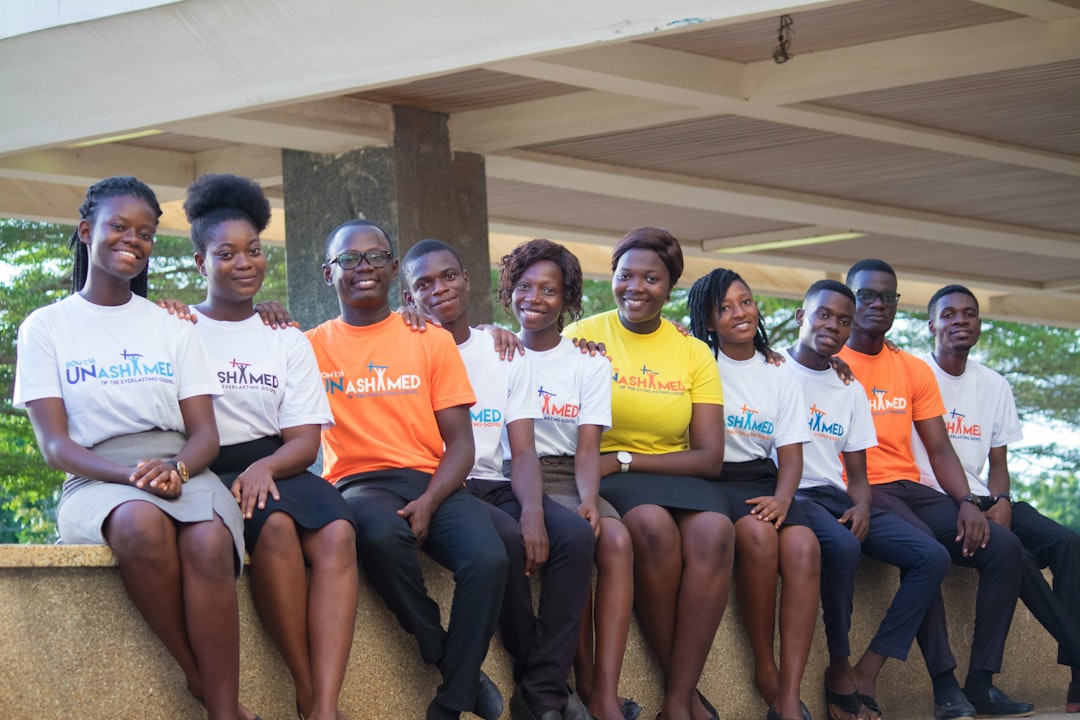
Global funding gaps hinder youth entrepreneurship, despite its proven impact on employment and innovation. Inclusive investment models are essential for unlocking young entrepreneurs’ potential worldwide.

New York, USA — A growing divide in global funding for youth entrepreneurship threatens to stifle innovation and job creation worldwide. According to the Global Entrepreneurship Monitor 2024 report, only 15% of youth-led startups receive meaningful investment, despite young entrepreneurs accounting for nearly 40% of new business ventures globally[1]. This funding gap disproportionately affects young people in developing economies, where access to capital and inclusive financial systems remain limited. As governments and private investors recalibrate their strategies for economic recovery post-pandemic, the urgency to craft sustainable, inclusive funding models that empower youth entrepreneurship has never been greater. Youth entrepreneurship drives economic diversification, job creation, and innovation. Yet, without broad-based financial support, promising ventures falter before scaling. This disconnect not only limits individual career opportunities but also constrains broader economic resilience — especially in regions with high youth unemployment rates and fragile labor markets.
The Stakes: Why Youth Entrepreneurship Demands Global Attention
Young entrepreneurs worldwide have demonstrated resilience and creativity, launching ventures that address social, environmental, and technological challenges. The International Labour Organization’s 2025 global employment Trends report highlights that youth unemployment remains stubbornly high at 14.9%, nearly three times the adult rate[2]. Entrepreneurship offers a critical pathway out of joblessness, yet systemic barriers persist. Capital access stands out as the most significant hurdle. Traditional banks often classify youth-led startups as high-risk due to limited credit history and business experience. Venture capital and angel investment, while growing, remain concentrated in developed markets. For example, in 2024, North America and Europe attracted over 80% of global venture capital funding, leaving African and Latin American entrepreneurs to rely primarily on microfinance and informal lending[3]. Addressing these disparities matters not only for individual livelihoods but also for global economic stability. The World Bank estimates that youth entrepreneurship contributes up to 30% of GDP in emerging economies, yet these contributions go underleveraged without proper funding infrastructure[4]. The consequence is a lost opportunity to harness the full potential of a demographic that represents more than half of the world’s population under age 30.
The Organisation for Economic Co-operation and Development (OECD) reports that less than 40% of youth in developing economies receive formal entrepreneurship education, limiting their ability to secure and manage funding effectively.

 AI
AIThe Role of AI in Language Learning: Teachers vs. Technology
AI is reshaping language education, posing questions about the future of teaching roles in an evolving landscape.
Read More →Current Landscape: Funding Models and Their Limitations
Microfinance institutions have been early champions of youth entrepreneurship, particularly in South Asia and Sub-Saharan Africa. These programs typically offer small loans to individuals without collateral but often lack the scale and technical support needed for sustainable growth. Additionally, interest rates can be prohibitively high, limiting reinvestment capacity. Impact investing has emerged as a complementary model, blending social goals with financial returns. Funds like the Global Innovation Fund and the Rockefeller Foundation’s youth entrepreneurship initiatives provide grants and equity funding targeted at sectors with social impact. However, their reach remains limited by geographic focus and stringent eligibility criteria. Government-backed programs also play a significant role. In the European Union, the European Investment Fund’s Youth Entrepreneurship Strategy has allocated over €2 billion towards startup support since 2021, combining direct funding with mentorship and networking. Meanwhile, countries like India have launched schemes such as the Startup India Seed Fund Scheme, which has disbursed over $360 million to young innovators since 2020. Yet, such initiatives often suffer from bureaucratic delays and uneven implementation across regions.
Challenges in Scaling Youth Entrepreneurship Funding
Bridging the funding gap requires addressing several structural challenges. First, risk assessment frameworks used by traditional investors often overlook the unique context of youth-led enterprises. Without tailored metrics that value potential and innovation over historical financial data, young entrepreneurs remain sidelined. Second, financial literacy and entrepreneurial skills need enhancement. The Organisation for Economic Co-operation and Development (OECD) reports that less than 40% of youth in developing economies receive formal entrepreneurship education, limiting their ability to secure and manage funding effectively. Programs that combine capital with training show better success rates but are underfunded. Third, digital financial inclusion remains uneven. While mobile money and fintech innovations have expanded access in regions like East Africa, infrastructure gaps and regulatory barriers persist elsewhere. Without reliable digital platforms, youth entrepreneurs cannot fully leverage global funding networks or scale efficiently.

 Education Innovation
A New Era of Academic Partnerships: Galgotias University at the House of Lords
Dr. Dhruv Galgotia's recent representation at the House of Lords marks a significant step in India-UK educational collaborations, opening doors…
Read More →Innovative Solutions and Emerging Trends
Several promising models are gaining traction globally. Blended finance, which mixes public, private, and philanthropic capital, is being used to de-risk investments in youth startups, enabling larger pools of capital to flow. The UNDP’s Youth Co:Lab initiative exemplifies this by mobilizing $100 million in blended finance to support youth-led enterprises across Asia and the Pacific. Decentralized finance (DeFi) and blockchain technology also offer potential pathways for inclusive funding. Platforms like Seedify and Republic are experimenting with tokenized equity and crowdfunding models that democratize access to startup capital, bypassing traditional gatekeepers. However, regulatory uncertainties and volatility remain barriers to widespread adoption. Corporate partnerships have emerged as another viable avenue. Companies such as Salesforce and Google have launched accelerator programs that provide capital, mentorship, and technology access to young entrepreneurs worldwide. These collaborations help bridge the gap between innovation ecosystems and markets, creating scalable opportunities.
Looking Ahead: Imperatives for Policy and Practice
For policymakers, the imperative is clear: to foster an enabling environment that supports youth entrepreneurship through targeted financial instruments, education, and infrastructure investments. National development plans should integrate youth entrepreneurship as a core pillar of economic strategy, not an afterthought. International organizations and development banks must scale blended finance mechanisms and prioritize underserved regions. Aligning funding with measurable impact metrics can attract more private capital while ensuring accountability. Simultaneously, expanding digital infrastructure and regulatory frameworks that support fintech innovations will democratize access further. For educators and career advisors, embedding entrepreneurship training early and equipping youth with financial literacy is critical. This foundation increases the likelihood that young entrepreneurs can navigate complex funding landscapes and sustain growth. Ultimately, closing the funding gap for youth entrepreneurship is not just about capital. It is about unlocking the potential of a generation poised to reshape economies and societies. Inclusive, innovative funding models will determine whether this potential translates into tangible opportunities and lasting impact.