No products in the cart.

Why Humanoid Robots Might Be the Future of Elder Care
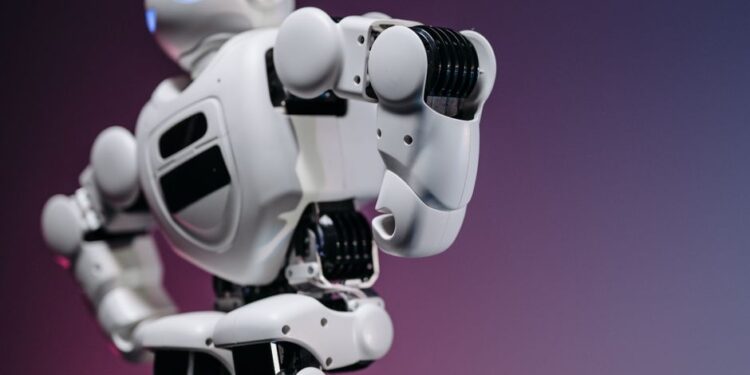
As the global population ages, the need for effective elder care solutions has never been more pressing. Humanoid robots are designed to assist with daily tasks, provide companionship, and even monitor health conditions. This shift is not just a technological upgrade; it represents a fundamental change in how…

Humanoid robots are increasingly becoming integral to elder care services, with significant advancements in technology and rising demand for innovative caregiving solutions. Recent developments highlight the potential for these robots to enhance the quality of care while addressing workforce shortages in the sector. Career Ahead’s analysis shows that the integration of humanoid robots in elder care facilities is gaining momentum, with companies like KUKA leading the charge.
As the global population ages, the need for effective elder care solutions has never been more pressing. Humanoid robots are designed to assist with daily tasks, provide companionship, and even monitor health conditions. This shift is not just a technological upgrade; it represents a fundamental change in how care is delivered to seniors, allowing human caregivers to focus on more complex emotional and medical needs.
Integration of Humanoid Robots in Elder Care Facilities
The integration of humanoid robots into elder care facilities is driven by several factors, including the increasing demand for personalized care and the need to alleviate the burden on human caregivers. According to KUKA, these robots can perform tasks such as medication reminders, mobility assistance, and social interaction, which can significantly enhance the quality of life for seniors. By automating routine tasks, humanoid robots allow caregivers to dedicate more time to individualized care, thereby improving overall service delivery.
Furthermore, the technology behind humanoid robots is advancing rapidly. Innovations in artificial intelligence (AI) and machine learning enable these robots to learn from their interactions and adapt to the specific needs of the elderly. For instance, robots can now recognize individual preferences and respond accordingly, creating a more personalized care experience. This adaptability is crucial in elder care, where the needs of residents can vary widely. As noted by Futurobots, the ability of these robots to engage in meaningful interactions with seniors can lead to improved emotional well-being, making them not just assistants but companions.
Innovations in artificial intelligence (AI) and machine learning enable these robots to learn from their interactions and adapt to the specific needs of the elderly.
Career Ahead research identifies that the deployment of humanoid robots is not just a trend but a necessary evolution in the elder care sector. Facilities that adopt these technologies report increased efficiency and improved resident satisfaction. The ability of robots to provide consistent and reliable support can significantly reduce the stress levels of human caregivers, who often face burnout due to high workloads. Moreover, the integration of robots can help bridge the gap in care during staff shortages, which have become increasingly common in the healthcare sector.
However, the introduction of humanoid robots also raises important questions about the future of the caregiving workforce. While these technologies can enhance care, they may also shift job roles within elder care services. As robots take on more routine tasks, the skills required for human caregivers may evolve, necessitating training in robotics and AI to work effectively alongside these machines. This shift could lead to a redefinition of caregiving roles, where human caregivers become more focused on emotional support and complex care needs, while robots handle more mundane tasks.
Challenges and Opportunities in Robotic Integration
Despite the promising benefits of humanoid robots in elder care, the integration process is not without challenges. Concerns about the reliability and safety of robotic systems persist, particularly regarding their interaction with vulnerable populations. Ensuring that these robots can operate safely and effectively in environments with elderly residents is paramount. Recorded Future highlights that as humanoid robots become more common, regulatory frameworks will need to adapt to ensure safety standards are met. This includes establishing guidelines for robot behavior in sensitive situations, such as during medical emergencies or when interacting with residents who have cognitive impairments.
Recorded Future highlights that as humanoid robots become more common, regulatory frameworks will need to adapt to ensure safety standards are met.
Moreover, the acceptance of humanoid robots by both caregivers and residents is a critical factor in their successful implementation. Some elderly individuals may feel apprehensive about interacting with robots, preferring human contact over mechanical assistance. To address this, facilities must prioritize training for both staff and residents, emphasizing the supportive role of robots in enhancing human care rather than replacing it. Building trust between residents and robots is essential, and this can be achieved through gradual introductions and positive reinforcement of the robots’ capabilities.
Career Ahead’s analysis finds that the successful integration of humanoid robots hinges on collaboration between technology developers and elder care providers. By working together, stakeholders can create systems that not only meet the technical requirements but also align with the emotional and social needs of elderly residents. This partnership can lead to innovative solutions that enhance the overall caregiving experience. For example, robots equipped with advanced communication skills can help facilitate conversations between residents and their families, thereby improving social connectivity and reducing feelings of isolation.
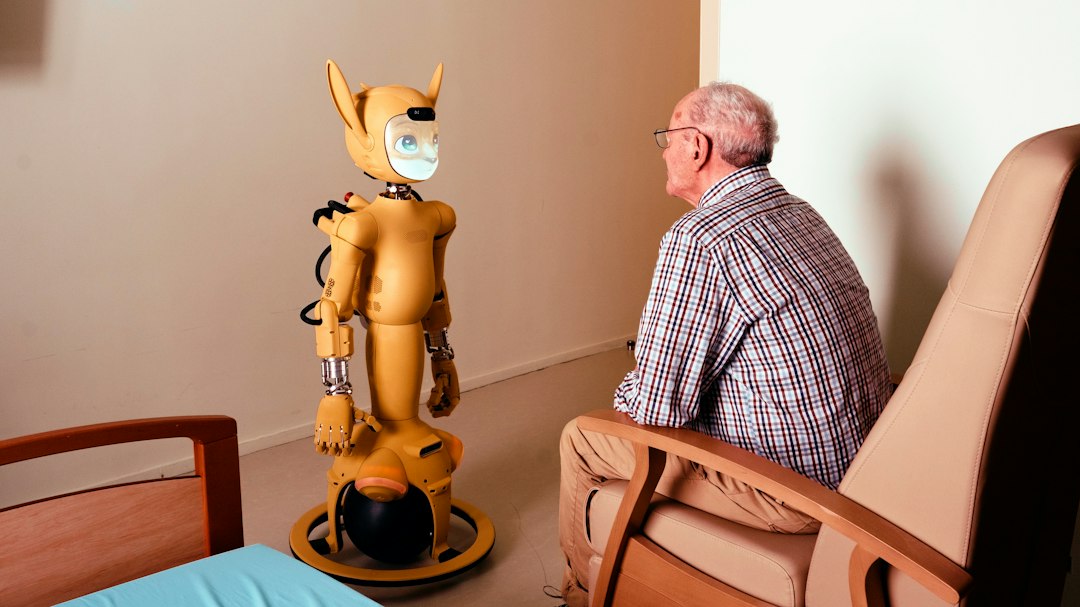
As the landscape of elder care continues to evolve, the opportunities for humanoid robots to fill gaps in service delivery are vast. With the right training and support, these robots can become valuable members of the caregiving team, providing assistance that allows human caregivers to focus on more complex tasks that require empathy and human judgment. The potential for humanoid robots to operate autonomously in various settings will reshape the caregiving landscape, making it more efficient and responsive to the needs of seniors.
Ultimately, the integration of humanoid robots in elder care services presents both challenges and opportunities. The path forward will require thoughtful consideration of how to balance technology with the essential human touch that defines caregiving. As the industry navigates this transition, the focus will be on creating a harmonious relationship between humans and machines in the quest for better elder care.
What skills do healthcare professionals need to work with humanoid robots?
Frequently Asked Questions
What are the benefits of using robots in elder care?
Humanoid robots can enhance elder care by performing routine tasks, providing companionship, and monitoring health conditions. This allows human caregivers to focus on more complex emotional and medical needs, ultimately improving the quality of care for seniors.
How can elder care providers prepare for robotic integration?
Elder care providers should invest in training programs for staff to ensure they can effectively work alongside humanoid robots. This includes understanding the technology, its capabilities, and how to integrate it into existing care practices.
What skills do healthcare professionals need to work with humanoid robots?
Healthcare professionals must develop skills in robotics and AI to effectively collaborate with humanoid robots. This includes technical knowledge about how robots operate and the ability to adapt care approaches based on the technology’s capabilities.
Related Articles
Written by Career Ahead AI. AI can make mistakes, so verify key facts. Report errors to support@careeraheadonline.com.