No products in the cart.

Why TSMC’s 53% Revenue Increase Signals Opportunities for Engineers

TSMC's 53% revenue increase reflects a global surge in AI chip demand, signaling significant opportunities for engineers in the semiconductor industry. As companies across various sectors invest in AI technologies, the need for skilled professionals in chip design and manufacturing is becoming increasingly urgent.

Taiwan — TSMC, the world’s leading semiconductor manufacturer, reported a remarkable 53% increase in revenue, driven primarily by an unprecedented demand for AI chips. This surge reflects the growing reliance on artificial intelligence technologies across various sectors, highlighting a significant shift in the semiconductor landscape.
The increase in TSMC’s revenue underscores the broader trend of rising demand for AI chips, which are essential for powering advanced machine learning applications. As companies invest heavily in AI capabilities, TSMC has positioned itself as a critical player in this rapidly evolving market.
AI Chip Demand Fuels Semiconductor Growth
TSMC’s financial results reveal a booming market for AI chips, with the company reporting substantial growth in both revenue and production capacity. The surge in demand can be attributed to several factors, including the proliferation of AI applications in industries such as automotive, healthcare, and finance. Companies are increasingly adopting AI technologies to enhance efficiency and drive innovation.
Broadcom has also reported significant growth, with its AI revenue tripling to $16.7 billion, showcasing the escalating competition among semiconductor firms to meet the rising demand for AI capabilities. This trend indicates a robust market environment where companies are racing to develop and deliver advanced semiconductor technologies that support AI applications. According to a report from Tech Times, Broadcom’s impressive revenue growth is a clear indicator of the industry’s shift towards AI-driven solutions, as firms scramble to align their offerings with market demands.
Intel, another major player in the semiconductor industry, noted its fastest revenue growth since 2011, driven by AI server demand. This growth trajectory highlights the critical role that AI plays in shaping the future of the semiconductor market, as companies strive to capitalize on the opportunities presented by AI advancements. As noted in a recent Tech Times article, the demand for AI servers has outstripped supply, further emphasizing the urgency for semiconductor manufacturers to scale their operations to meet this burgeoning need.
This growth trajectory highlights the critical role that AI plays in shaping the future of the semiconductor market, as companies strive to capitalize on the opportunities presented by AI advancements.
You may also like
 Industry & Global Trends
AI Talent Race Between US and China Is the Next Battleground
The competition for AI talent between the US and China is growing, with significant implications for job opportunities and recruitment strategies in the field. The…
Read More →As TSMC and its competitors ramp up production to meet this soaring demand, the implications for semiconductor engineers and AI chip designers are profound. The need for skilled professionals who can design and manufacture these advanced chips is becoming increasingly urgent. Career Ahead analysis finds that this trend will likely lead to intensified hiring in the semiconductor sector, with companies seeking engineers who possess specialized knowledge in AI chip design and fabrication.
Implications for Semiconductor Engineers and AI Chip Designers
The rapid growth in AI chip demand presents significant opportunities for semiconductor engineers and AI chip designers. With TSMC’s revenue soaring, the company is expected to increase its workforce to meet production needs. This hiring surge will create a competitive job market where skilled professionals can negotiate higher salaries and better benefits. The competition for talent is expected to heat up as companies look to secure the best and brightest in the field.
As companies expand their AI capabilities, there will be a greater emphasis on advanced skills in semiconductor design and manufacturing. Engineers with expertise in AI chip architecture, fabrication processes, and system integration will be in high demand. This shift signifies a need for educational institutions and training programs to adapt their curricula to prepare the next generation of engineers for the evolving landscape. The growing importance of AI in various sectors means that professionals in this field must stay updated with the latest technologies and trends. Continuous learning and upskilling will be essential for engineers and designers aiming to remain relevant in an increasingly competitive job market.
Furthermore, the potential for higher salaries in semiconductor roles is another critical aspect of this trend. As companies compete for top talent, they are likely to offer attractive compensation packages to attract skilled engineers. Career Ahead research identifies that semiconductor engineers specializing in AI technologies may see salary increases of 20-30% as demand outpaces supply. This trend is corroborated by industry reports indicating that the semiconductor sector is experiencing a significant wage inflation as companies strive to retain and attract skilled workers.
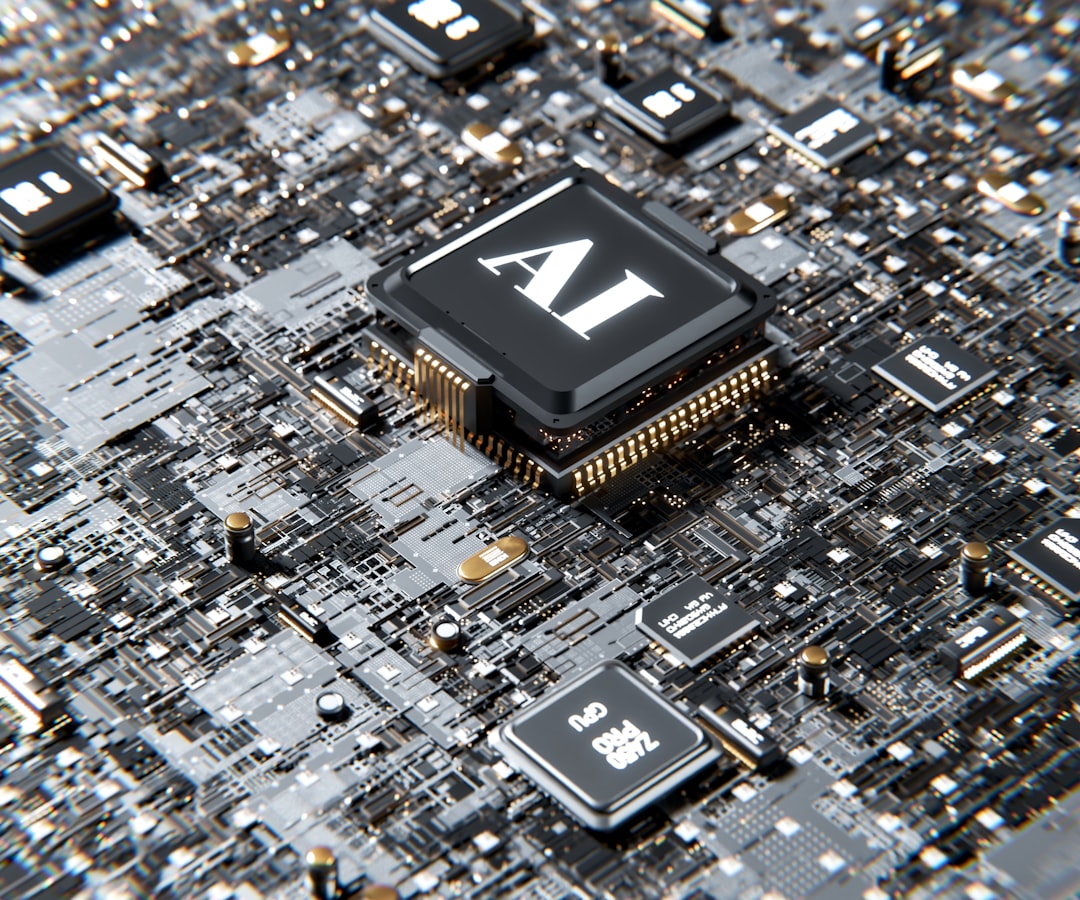
This dynamic environment highlights the importance of networking and professional development within the semiconductor industry.
This dynamic environment highlights the importance of networking and professional development within the semiconductor industry. Engineers should actively engage in industry events, conferences, and online communities to stay informed about advancements and opportunities in AI chip design. The ability to forge connections and share knowledge will be invaluable as the industry continues to evolve.
You may also like
 Industry & Global Trends
Hormuz Crude Oil Exports Near Pre-War Levels
The return to pre-war export levels is crucial as it indicates a stabilization in the oil market. Producers and shipping industries have adapted by employing…
Read More →Looking ahead, the semiconductor industry is on the cusp of a transformative era driven by AI advancements. As TSMC leads the way with its impressive revenue growth, other companies in the sector are likely to follow suit, fostering a competitive landscape that prioritizes innovation and efficiency. The demand for AI chips is expected to continue its upward trajectory, driven by advancements in machine learning, natural language processing, and autonomous systems. Companies will increasingly rely on AI technologies to enhance their products and services, further fueling the need for cutting-edge semiconductor solutions.
As the industry evolves, semiconductor engineers and AI chip designers must prepare for the challenges and opportunities that lie ahead. The rapid pace of technological change will require professionals to adapt quickly and embrace new methodologies and tools in chip design and manufacturing. In a market where AI capabilities are becoming a differentiator, the ability to innovate and deliver high-performance chips will be crucial for companies seeking to maintain a competitive edge. The future of the semiconductor industry is bright, but it will demand a skilled workforce ready to meet the challenges of tomorrow.
Frequently Asked Questions
What skills are in demand for semiconductor engineers in AI?
Career Ahead analysis shows that semiconductor engineers need skills in AI chip architecture, fabrication processes, and system integration. These skills are essential for designing and manufacturing advanced chips that meet the growing demand in the AI sector.
Career Ahead analysis shows that semiconductor engineers need skills in AI chip architecture, fabrication processes, and system integration.
How can AI chip designers prepare for increased job opportunities?
AI chip designers can prepare for job opportunities by staying updated on the latest technologies and trends in AI. Engaging in continuous learning and networking within the industry will also enhance their prospects in this rapidly evolving field.

What should semiconductor engineers do about the rising demand for AI chips?
Semiconductor engineers should focus on acquiring advanced skills in AI chip design and fabrication processes. This specialization will position them favorably in a job market that increasingly values expertise in AI technologies.
You may also like
 Industry & Global Trends
Man Charged
A US national has been charged with illegally exporting Nvidia chips to China, raising significant compliance and legal concerns in the semiconductor industry.
Read More →