No products in the cart.

Will USMCA Endure Under Trump?

As Donald Trump embarks on his second term, the future of the USMCA trade agreement hangs in the balance. Analysts predict significant shifts in tariffs, manufacturing regulations, and agricultural exports, urging stakeholders to prepare for a potentially turbulent trade environment.

The future of the United States-Mexico-Canada Agreement (USMCA) is uncertain as Donald Trump begins his second term as President. Analysts are closely monitoring potential changes in trade policies that could significantly impact tariffs, manufacturing regulations, and agricultural exports. The implications of these changes could reshape market dynamics across North America.
Trump’s administration has a history of being confrontational with trade agreements, raising concerns about the stability of the USMCA. The agreement is already under scrutiny, and new tariffs or regulatory changes could complicate trade relations among the three countries. Stakeholders must be prepared for a shifting landscape that could affect their operations and strategies.
Tariff Changes and Their Consequences
Tariffs play a crucial role in the USMCA framework. Any alterations to these tariffs could have far-reaching effects on trade within North America. The agreement was designed to eliminate tariffs on goods traded between the three nations, fostering a competitive environment. However, during Trump’s first term, the imposition of tariffs on steel and aluminum created tensions among trading partners.
According to data analyzed by intellectia.ai, there is a possibility that Trump may reinstate or increase tariffs on specific sectors. Such moves could escalate costs for manufacturers reliant on cross-border supply chains. Industries like automotive manufacturing, which source parts from all three countries, could be particularly vulnerable. If tariffs rise, manufacturers may need to reevaluate their supply chains to mitigate additional costs.
The agricultural sector is also poised to face new challenges. A report from cbc.ca highlights concerns among U.S. agricultural producers regarding potential retaliatory tariffs from Canada and Mexico. If Trump pursues aggressive trade policies, established export markets could be disrupted, forcing agricultural exporters to seek alternative avenues for their products.
Research from Career Ahead indicates that significant tariff changes could compel manufacturers and exporters to rethink their pricing strategies.
Research from Career Ahead indicates that significant tariff changes could compel manufacturers and exporters to rethink their pricing strategies. Companies that depend on imports might have to raise prices or find new suppliers to maintain profit margins, which could ultimately affect consumer prices and market competition.
Manufacturing Regulations Under Scrutiny
Manufacturers must remain vigilant as potential regulatory changes loom. The USMCA introduced new labor and environmental standards aimed at creating fairness among the three countries. However, there are indications that Trump’s administration may seek to modify or eliminate these regulations, which could have profound implications for manufacturing practices.
A report from reuters.com suggests that Trump could advocate for fewer regulations, prioritizing short-term economic gains over long-term sustainability. Such changes could create an uneven playing field for manufacturers who have invested in compliance with USMCA standards, potentially disadvantaging those companies if competitors are allowed to bypass these regulations.
Analysis from Career Ahead shows that manufacturing leaders need to prepare for possible shifts in compliance requirements. Companies may need to invest in new technologies or processes to adapt to changing regulations. Firms that have built their strategies around current regulations could face significant disruptions if major changes occur.
Challenges for Agricultural Exporters
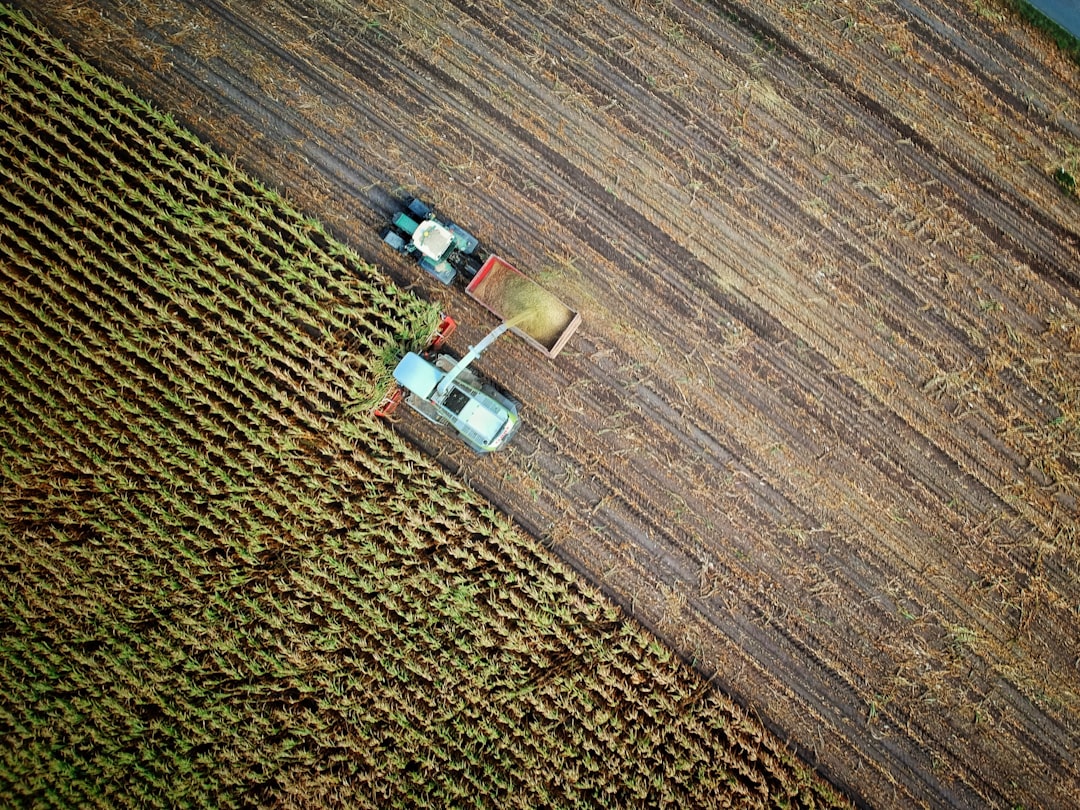
The agricultural sector may be among the hardest hit by potential changes to the USMCA. The agreement has facilitated substantial trade among the U.S., Canada, and Mexico, particularly for commodities like corn, soybeans, and dairy products. Any alterations could disrupt these established trade flows.
If traditional trade routes become less favorable, they may need to explore new regions, which could introduce higher costs and logistical challenges.
Insights from cbc.ca reveal that U.S. agricultural exporters are concerned about how Trump’s second term could impact their access to Canadian and Mexican markets. Increased tariffs or modifications to trade agreements could diminish the competitiveness of U.S. farmers, especially against robust agricultural sectors in Canada and Mexico.
Moreover, uncertainty surrounding the USMCA may compel agricultural exporters to diversify their markets. If traditional trade routes become less favorable, they may need to explore new regions, which could introduce higher costs and logistical challenges.
As agricultural stakeholders navigate this uncertainty, they must remain agile in response to changes in consumer demand and market dynamics. Quick adaptation to new conditions will be essential for maintaining market share and profitability.
Preparing for a Shifting Trade Landscape
The potential effects of Trump’s second term on the USMCA are critical for trade analysts, manufacturing leaders, and agricultural exporters. Understanding the historical context of the agreement can provide insights into future changes. As the political landscape evolves, all eyes will be on how these dynamics unfold and what they mean for trade in North America.
Frequently Asked Questions
What are the implications of USMCA changes for trade policy analysts?
Trade policy analysts must closely monitor tariff changes and regulatory shifts during Trump’s second term. Understanding these changes will be essential for accurate forecasts and advising stakeholders.
Trade policy analysts must closely monitor tariff changes and regulatory shifts during Trump’s second term.

How might manufacturing executives adjust strategies based on potential USMCA changes?
Manufacturing executives may need to rethink their supply chains and compliance strategies due to potential tariff increases and regulatory changes. This may involve investing in new technologies or finding alternative suppliers to stay competitive.
What should agricultural exporters prepare for if USMCA is altered?
Agricultural exporters should prepare for market disruptions and increased competition if tariffs change. Diversifying export markets and adapting to new trade conditions will be vital for maintaining profitability.
Written by Career Ahead AI. AI can make mistakes, so verify key facts. Report errors to support@careeraheadonline.com.