No products in the cart.

Yale’s Ph.D. Enrollment Cuts: Implications for Graduate Students
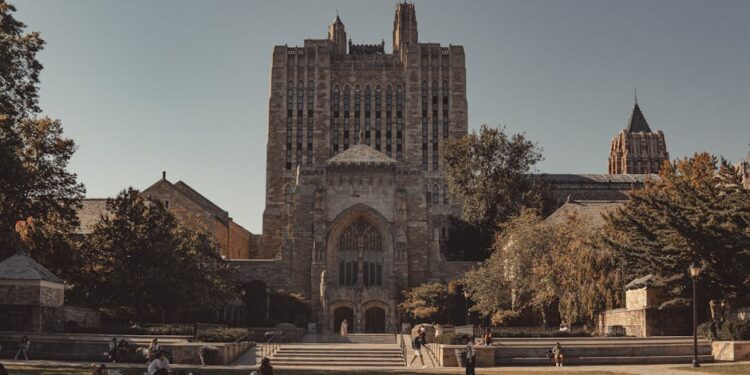
Yale's recent decision to cut Ph.D. enrollment amid a higher endowment tax has significant implications for graduate education. This article explores the impact on students and the academic landscape.

New Haven, Connecticut — Yale University has announced significant cuts to its Ph.D. enrollment, a decision driven by a recent increase in federal taxes on large university endowments. This move comes as elite institutions reassess their financial strategies in a changing economic landscape. Yale’s Graduate School of Arts and Sciences plans to reduce its intake by approximately 13% in humanities and social sciences and 5% in STEM fields over the next three years. This decision not only reflects Yale’s need to tighten its budget but also signals broader trends affecting graduate education across the United States.
The implications of Yale’s enrollment cuts are profound for graduate students, especially those entering competitive fields. With the university’s endowment tax increasing, Yale is facing financial pressures that necessitate a reevaluation of spending and hiring practices. According to the Yale Daily News, the university has already implemented a hiring freeze and reduced non-salary expenses by 5% as part of its cost management strategy. As Yale adjusts its budgets, the academic community is left wondering how this will impact the quality of education and research opportunities available to future students.
Moreover, the cuts come at a time when many prospective students are weighing their options for graduate school. The reduction in Ph.D. slots could lead to increased competition for the remaining positions, making it even harder for applicants to secure a place in prestigious programs. This scenario raises concerns about the future of academic research and the diversity of thought and innovation that graduate students bring to their fields.
Financial Pressures on Graduate Programs
Yale’s decision is part of a larger trend among elite universities grappling with financial sustainability. The increased endowment tax, signed into law by former President Donald Trump, specifically targets wealthy private universities with substantial investment funds. This new tax regime has prompted Yale to reassess its long-term financial planning, leading to the decision to cut Ph.D. admissions.
In contrast, Yale Law School plans to maintain its current enrollment levels, which raises questions about the differential impact of financial pressures across disciplines. Law School spokesperson Alden Ferro noted that the law school does not rely heavily on its endowment to subsidize students, allowing it to keep enrollment stable. This divergence highlights the varied financial dynamics within different graduate programs at the same institution.
Law School spokesperson Alden Ferro noted that the law school does not rely heavily on its endowment to subsidize students, allowing it to keep enrollment stable.
According to a report by the Yale Daily News, Harvard University has also announced a drastic reduction in Ph.D. admissions, with a 50% cut in science departments. This trend underscores a systemic issue within higher education, where financial pressures are forcing institutions to make difficult choices that could reshape the landscape of graduate education.
Yale’s Ph.D. program cuts are particularly concerning for students in humanities and social sciences, fields that already face challenges in securing funding and job placements post-graduation. The reduction in available spots could limit opportunities for emerging scholars, potentially leading to a decline in research output and academic discourse.
Implications for Future Graduate Students
As Yale and other universities navigate these financial pressures, prospective graduate students must consider the implications of these changes. The reduction in Ph.D. admissions could lead to a more competitive application process, as fewer spots will be available for a growing pool of applicants. Students may need to enhance their profiles significantly to stand out in this new landscape.
Moreover, students should be aware of the financial commitments associated with graduate programs. Many Ph.D. programs offer healthcare coverage, tuition waivers, and living stipends, making them financially viable options for many students. However, with the impending budget cuts, these benefits may become less certain, impacting students’ ability to finance their education.
In light of these changes, students looking to apply for graduate programs should take proactive steps to enhance their candidacy. This may include seeking research opportunities, engaging in relevant internships, and building a strong network within their desired field. Additionally, students should explore alternative funding options, such as fellowships and grants, to secure financial support for their studies.

Implications for Future Graduate Students As Yale and other universities navigate these financial pressures, prospective graduate students must consider the implications of these changes.
- Enhance your application: Focus on building a strong academic and research profile to stand out in a competitive field.
- Network strategically: Connect with professionals and academics in your field to uncover potential opportunities and gain insights.
- Explore funding options: Investigate fellowships and grants that can help alleviate financial pressures associated with graduate education.
However, experts warn that these enrollment cuts may not be sustainable in the long run. A recent study by the American Council on Education indicates that reducing graduate program sizes can lead to a decline in academic quality and innovation. As the landscape of higher education evolves, institutions must find a balance between financial viability and maintaining rigorous academic standards.
The Future of Graduate Education Amid Financial Pressures
The future of graduate education at Yale and similar institutions remains uncertain as they adapt to new financial realities. While the cuts may help manage immediate budgetary concerns, they could also hinder the growth of knowledge and research that graduate programs traditionally foster. As universities grapple with these challenges, it will be crucial for them to find ways to support their students while maintaining academic integrity.
Looking ahead, how will these changes affect the landscape of graduate education? Will universities prioritize maintaining enrollment levels in programs that contribute significantly to their academic reputation? The answers to these questions will shape the future of higher education and the opportunities available to aspiring graduate students.

Written by Career Ahead AI. AI can make mistakes, so verify key facts. Report errors to support@careeraheadonline.com.