No products in the cart.

You can now turn 2D apps into and the New Career Landscape

Samsung's Galaxy XR headset has taken a bold step forward in the realm of virtual reality. The new feature, known as "auto-spatialization," allows users to transform 2D applications, websites, images, and videos into immersive 3D experiences. This innovation marks a significant development in how users interact with digital content, making…

Samsung’s Galaxy XR headset has taken a bold step forward in the realm of virtual reality. The new feature, known as “auto-spatialization,” allows users to transform 2D applications, websites, images, and videos into immersive 3D experiences. This innovation marks a significant development in how users interact with digital content, making it more engaging and visually stimulating.
Launched on April 7, 2026, this experimental feature aims to redefine the user experience for Galaxy XR users. With the ability to convert standard 2D applications into 3D, Samsung is not only enhancing entertainment options but also expanding the potential for productivity and creativity in various fields.
As users don the Galaxy XR headset, they can expect to see their familiar apps come to life in a new dimension. This capability could change how we engage with everything from social media platforms to productivity tools. The immersive nature of 3D content could lead to more intuitive interactions and a richer understanding of the information presented.
Understanding the Technology Behind Auto-Spatialization
The auto-spatialization feature utilizes advanced algorithms to analyze and convert 2D content into 3D. According to reports from The Verge, it supports content up to 1080p resolution at 30 frames per second. While this may seem limited, the technology aims to provide a seamless experience without overwhelming the device’s capabilities. Users should be aware that this feature may consume slightly more battery power. It operates only on the app window currently in focus, which ensures that the experience remains optimized for the user’s immediate needs. This targeted approach allows for a smoother transition between standard and spatialized views.
The launch of this feature comes at a time when virtual reality is gaining traction across various sectors, including gaming, education, and remote collaboration.
The launch of this feature comes at a time when virtual reality is gaining traction across various sectors, including gaming, education, and remote collaboration. By incorporating 3D capabilities into everyday applications, Samsung is positioning itself at the forefront of this technological evolution. Furthermore, the company has announced several other updates for the Galaxy XR, including the ability to pin apps to walls and interact with virtual content using real hands. These enhancements aim to create a more interactive and immersive environment for users, further bridging the gap between the digital and physical worlds.
Market Impact and Future Implications
You may also like
 AI & Technology
AI Agents Drive Demand for Enhanced Safeguards
AI agents are increasingly making decisions without human oversight, raising safety concerns and highlighting the need for enhanced safeguards and ethical frameworks in AI development.
Read More →The introduction of 3D capabilities in the Galaxy XR headset is a significant move in the competitive landscape of virtual reality. As companies like Meta and Apple also explore immersive technologies, Samsung’s innovation could influence market trends and consumer expectations. The ability to transform 2D content into 3D experiences may set a new standard for user engagement. According to Bloomberg, the global virtual reality market is expected to reach $57.55 billion by 2027, driven by advancements in technology and increasing consumer interest. Samsung’s Galaxy XR could play a pivotal role in this growth, especially as more users embrace the potential of 3D applications.
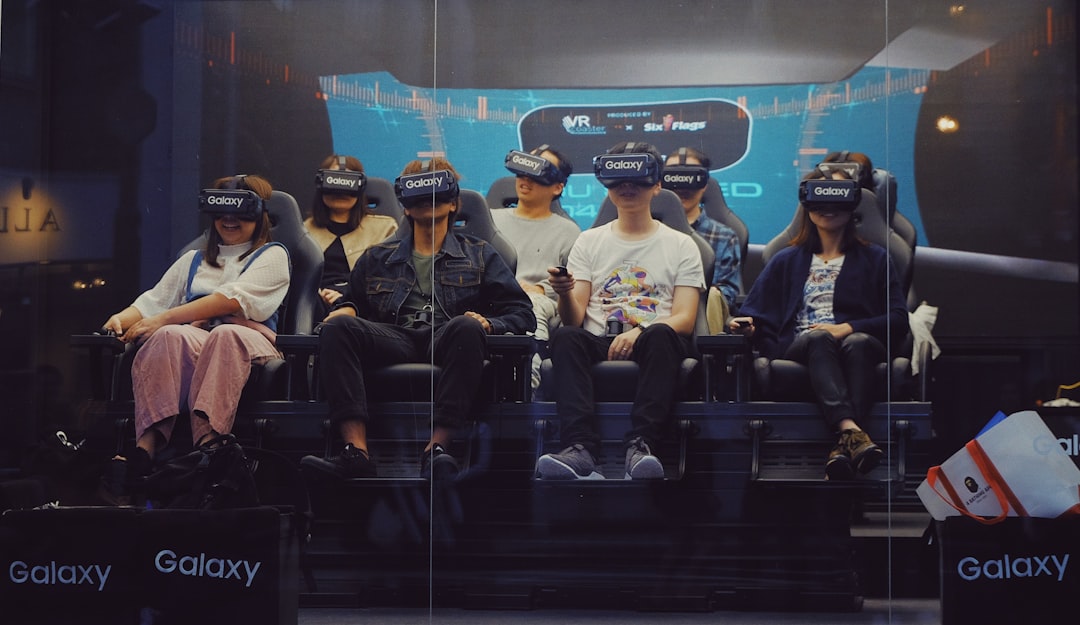
Moreover, the impact of this technology extends beyond entertainment. Industries such as education and training could benefit from enhanced learning experiences through 3D simulations. As more users adopt the Galaxy XR headset, the implications for how we learn and interact with information could be profound. The immersive nature of 3D could facilitate better retention of information and foster a more engaging learning environment.
As users become more accustomed to immersive experiences, businesses may need to adapt their strategies to incorporate these technologies. This could lead to a surge in demand for 3D content creation and design skills, as companies look to leverage the advantages of this new medium. The shift towards 3D applications may also spur innovation in user interface design, as developers seek to create more intuitive and engaging experiences.
Industries such as education and training could benefit from enhanced learning experiences through 3D simulations.
Why This Matters to You
The launch of the Galaxy XR’s auto-spatialization feature is more than just a technological advancement; it represents a shift in how we engage with digital content. As this technology becomes more mainstream, users will find new ways to experience and interact with their favorite applications. The potential for enhanced creativity and productivity is immense, making this development relevant for anyone in the tech-savvy generation.
As we look to the future, the question remains: how will the integration of 3D experiences in everyday applications reshape our digital interactions? With the rapid pace of technological advancements, it is clear that the line between virtual and real-world experiences continues to blur. Samsung’s innovative approach could set the stage for a new era in user engagement, where 3D content becomes the norm rather than the exception. This could lead to exciting developments in how we consume information, collaborate, and create in the digital landscape.
You may also like
 Entrepreneurship & Business
Nscale Hires Meta’s Justin Osofsky to Be COO Ahead of IPO
Nscale has appointed Justin Osofsky as COO, leveraging his extensive experience from Meta to enhance operational efficiency ahead of its IPO. This strategic hiring reflects…
Read More →