No products in the cart.

Young Graduates Choose Home Living Over Independence
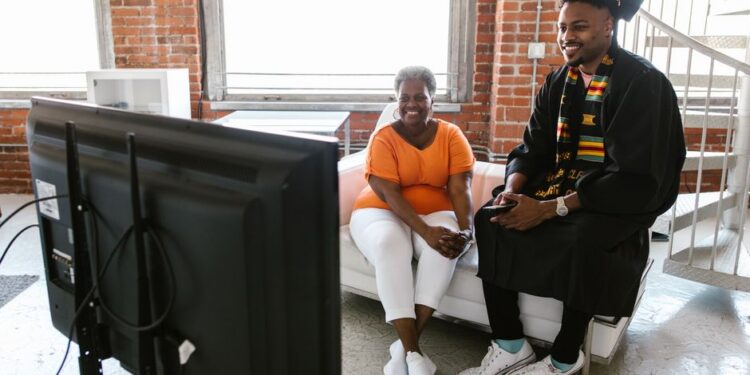
As economic challenges persist, more young college graduates are returning to live with their parents. This trend reflects changing societal norms and has significant implications for job searching and financial stability.

More young college graduates are moving back in with their parents due to economic pressures. Recent data shows this trend has grown significantly in the past few years. Many graduates are facing a tough job market. This shift reflects both economic realities and changing views on independence and family dynamics.
The trend of young graduates returning home spans various demographics. A survey by Career Ahead reveals that about 40% of graduates from the class of 2026 live with their parents. This is a notable increase from previous years. The trend is especially strong among those in entry-level jobs, where economic uncertainty makes it hard to find stable work.
Economic Pressures Driving Young Graduates Home
The current economy poses significant challenges for recent graduates. Career Ahead’s analysis shows many young professionals are entering a job market that hasn’t fully recovered from past downturns. This situation has led to fewer entry-level positions, pushing graduates to seek the safety of their family homes.
Data from the20somethingfiles.com indicates that student loans and rising living costs make independent living harder for young graduates. Many find that staying at home helps them save money while searching for jobs that match their skills. Newgradsinfo.com highlights that average student loan debt has reached an all-time high, complicating the transition from college to career.
Additionally, the rise of remote work has changed job searching dynamics. Graduates now compete in a global job market, where demand for remote positions is high. While this creates opportunities, it also means competition is tougher than ever. Many young professionals choose to live at home to manage their finances better while navigating this new job landscape.
Career Ahead research finds this living situation can provide a stable foundation for young professionals starting their careers.
Despite the challenges, living at home has its advantages. Graduates can focus on job searches without the stress of high rent or mortgage payments. This arrangement also allows them to benefit from family support, which can help emotionally and financially. Career Ahead research finds this living situation can provide a stable foundation for young professionals starting their careers.
You may also like
 Career Guidance
Textile Engineer Transitions to Pilot Career
Smit Machchhar, a pilot with over 13 years of experience, shifted from textile engineering to aviation after discovering his passion for flying at 19.
Read More →Changing Perceptions of Living at Home
Living at home is no longer viewed as a failure for recent graduates. Instead, it is seen as a practical choice in a tough economy. Many young adults feel less stigma about returning to their parents’ homes, recognizing the economic realities they face.
Collegeaftermath.com notes that societal attitudes have shifted, with more acceptance of this living arrangement. This change is evident in social media, where young graduates share their experiences and the benefits of living at home. Many emphasize the need for financial stability during uncertain times, helping to normalize this trend.
This trend has also affected family dynamics. Parents are more willing to support their children during this transition, understanding the economic pressures involved. This support can strengthen family relationships, allowing for open discussions about career goals and finances.

However, this arrangement has its challenges. While living at home can ease financial stress, it may come with expectations from parents about independence and responsibility. Young graduates must navigate these dynamics carefully to maintain a healthy balance between family support and personal growth.
Long-term Career Implications The long-term effects of this trend on young professionals’ careers are significant.
Long-term Career Implications
The long-term effects of this trend on young professionals’ careers are significant. As more graduates live at home, they may face unique challenges and opportunities in their job searches. Career Ahead analysis finds that while living at home can provide financial stability, it may also affect how employers perceive candidates.
You may also like
 Career Guidance
MPSC Postpones Mains Exam 2026 Scheduled For October 3 | Career Outlook
The Maharashtra Public Service Commission (MPSC) has postponed the State Services Main Examination 2026, originally set for October 3, due to concerns over exam integrity.
Read More →Employers might question a candidate’s independence or readiness for the workforce if they see a graduate living at home. However, many companies are starting to understand the economic factors behind this choice. There is a growing recognition that living at home does not mean a lack of ambition or capability.
This trend could also change how companies approach hiring. Organizations may need to adjust their expectations and consider the diverse circumstances of recent graduates. This understanding could lead to a more inclusive hiring process, allowing a wider range of candidates into the workforce.
Ultimately, the trend of young graduates living at home raises important questions about the future of work and the relationship between education and employment. As the job market evolves, recent graduates must remain adaptable and resilient in their career pursuits.
Frequently Asked Questions
What are the benefits of living at home for recent college graduates?
Living at home helps recent graduates save money on rent and living costs, easing financial burdens. It also offers emotional support during a tough job search, creating a stable environment for personal growth.
Graduates should take advantage of their home situation to dedicate time to job searching and skill development.
How can young professionals navigate the job market while living at home?
Young professionals can use their home environment to focus on job searches without the stress of high living costs. They can also network and develop skills that boost their employability.

What should recent college graduates do about job searching while living with their parents?
You may also like
 Career Guidance
Telangana Engineers Flock to Campus Placements Amid Uncertainty
With rising uncertainties about studying abroad, engineering students in Telangana are increasingly opting for campus placements, reflecting a national trend as students prioritize immediate job…
Read More →Graduates should take advantage of their home situation to dedicate time to job searching and skill development. They can seek guidance from family members, using their support to explore career opportunities.