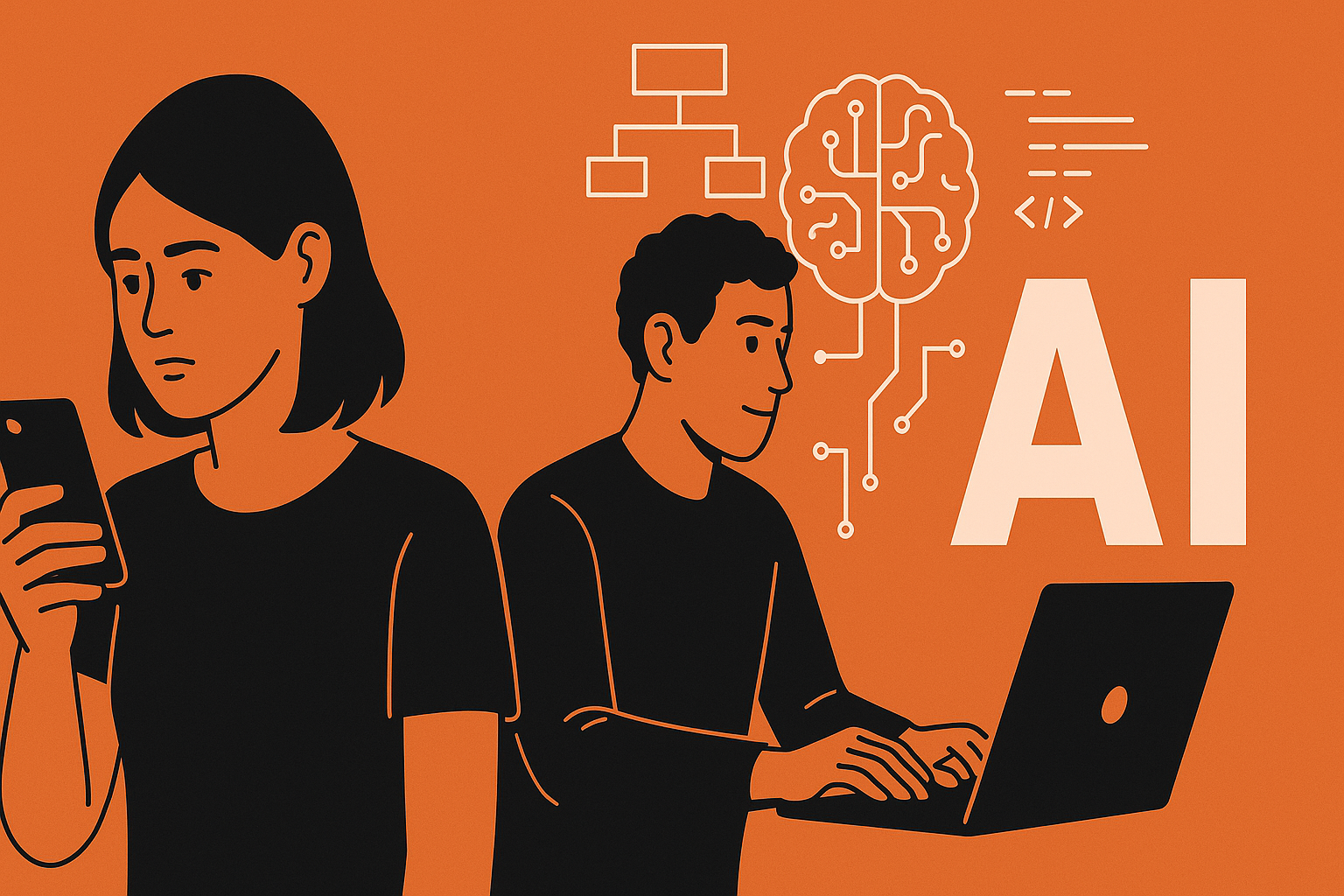
Cambridge, United Kingdom — As the world grapples with complex challenges, a new wave of youth-driven research networks is emerging, transforming how knowledge is created and shared. These networks are not just academic; they are dynamic ecosystems where young innovators collaborate across borders to tackle pressing global issues.
Why does this matter? The urgency of climate change, public health crises, and technological disruption has never been more pronounced. Youth are stepping up, leveraging technology and social media to forge connections that transcend geographical barriers. Their collaborative efforts are accelerating change and pushing the boundaries of traditional research.

Across continents, young researchers are forming coalitions that prioritize inclusivity and diversity. For instance, the Global Youth Research Network (GYRN), established in 2021, connects over 1,500 young researchers from more than 50 countries. By sharing resources and expertise, these networks are democratizing access to research opportunities that were once reserved for established scholars.
Contextually, the rise of these networks aligns with a broader trend in the labor market. According to the World Economic Forum, nearly 85 million jobs may be displaced by a shift in labor between humans and machines by 2025. This shift highlights the need for a workforce that is adaptable and skilled in collaboration and innovation. Youth-led research networks are preparing the next generation to meet these demands.
This shift highlights the need for a workforce that is adaptable and skilled in collaboration and innovation.
Moreover, the COVID-19 pandemic has accelerated the need for collaborative research. The urgency to understand and combat the virus has led to unprecedented partnerships among young scientists. For example, the COVID-19 Youth Research Network was launched in 2020, bringing together young researchers to share findings and strategies in real-time. This collaborative spirit has resulted in impactful research, influencing public health policies worldwide.
Analysis of these networks reveals a multifaceted landscape. On one hand, they foster innovation and inclusivity. The GYRN, for instance, emphasizes equitable participation, ensuring that voices from the Global South are heard. This approach not only enriches the research but also empowers young scholars from underrepresented regions.
On the other hand, challenges persist. Funding remains a significant barrier for many youth-led initiatives. According to a report by the International Youth Foundation, only 1% of global philanthropic funding goes to youth-led organizations. This funding gap can limit the potential of these networks to scale their impact. Additionally, the digital divide poses challenges for young researchers in low-income regions who may lack access to necessary technology and resources.
Looking ahead, the potential for these youth-led research networks is immense. With the right support, they could play a pivotal role in addressing global challenges. Policymakers and educational institutions must recognize the value of these collaborations and invest in their growth. This includes providing funding, mentorship, and access to resources that can empower young researchers.
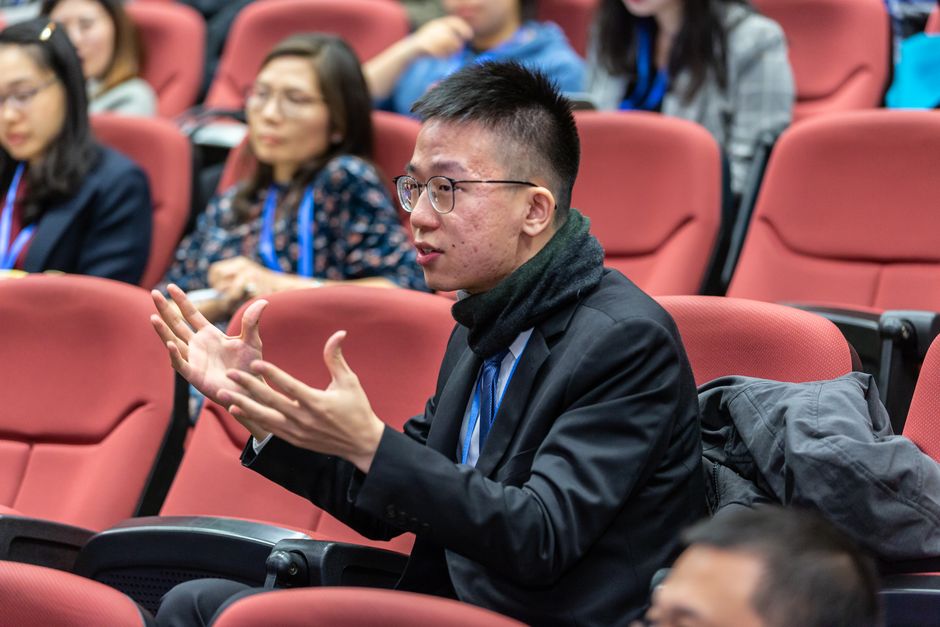 Education & University Insights
India’s Higher Education Agenda Puts Skills, Research and Faculty First
A panel framed the debate around India@2047, while a university chancellor said competitive research ecosystems can take 10–15 years to develop.
Read More →Policymakers and educational institutions must recognize the value of these collaborations and invest in their growth.
As we move into a future defined by rapid change, fostering a culture of collaboration among youth can lead to innovative solutions that benefit society as a whole. The rise of youth-driven research networks is not just a trend; it is a necessary evolution in how we approach global challenges.
Written by Career Ahead AI. AI can make mistakes, so verify key facts. Report errors to support@careeraheadonline.com.