Washington, D.C. — Young leaders are redefining the landscape of corporate America. As they emerge in roles traditionally occupied by older generations, they face the challenge of navigating established power structures while advocating for innovation and inclusivity.
This shift is not merely a trend; it reflects a broader transformation in the workplace. According to a 2023 report by Deloitte, 75% of the workforce will be made up of millennials and Gen Z by 2025, pushing organizations to adapt to new leadership styles that embrace collaboration and agility.
Understanding the Dynamics
The interplay between youth and established power dynamics is complex. Young leaders often find themselves in environments where hierarchical structures dominate decision-making processes. Yet, they are equipped with unique skills and perspectives that can drive change.
For instance, a study by McKinsey & Company highlights that companies with diverse leadership teams are 35% more likely to outperform their competitors. This statistic underscores the importance of integrating young leaders who can bring fresh ideas and challenge the status quo.
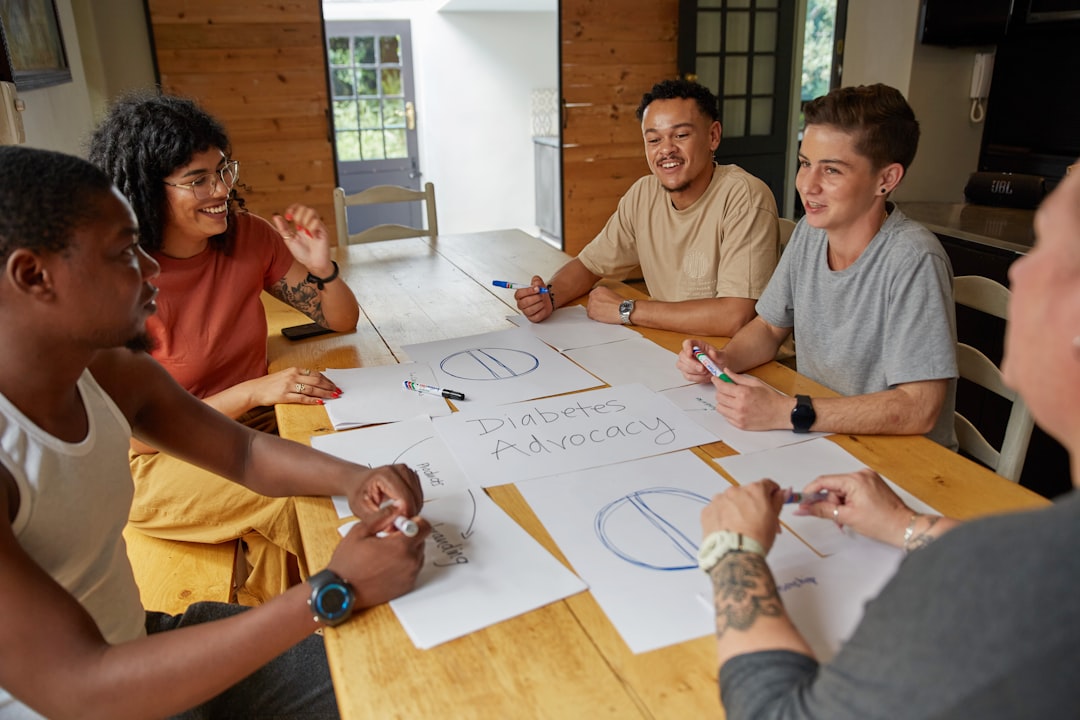
Furthermore, young leaders are adept at leveraging technology to enhance productivity and foster collaboration. They are digital natives, comfortable using tools that facilitate communication and innovation. This capability not only allows them to contribute to their organizations more effectively but also positions them as valuable assets in a rapidly evolving business landscape.
According to a 2024 survey conducted by the Harvard Business Review, 60% of young professionals reported feeling undervalued in their roles due to their age.
Challenges and Opportunities
However, the path for young leaders is fraught with challenges. Many face skepticism from older colleagues who may view them as inexperienced or overly idealistic. According to a 2024 survey conducted by the Harvard Business Review, 60% of young professionals reported feeling undervalued in their roles due to their age.
Despite these obstacles, young leaders are finding ways to assert their influence. They often employ strategies that emphasize collaboration over competition. For example, initiatives like mentorship programs and cross-generational teams are becoming more prevalent, allowing younger employees to gain visibility and credibility within their organizations.
 Career Guidance
Women Leadership Circle Launches
The Women Leadership Circle has launched its Delhi chapter, aiming to enhance women's representation and influence in leadership roles. This initiative is crucial for female…
Read More →Moreover, the rise of remote work has leveled the playing field, enabling young leaders to connect with peers and mentors globally. This connectivity fosters an environment where innovative ideas can flourish, regardless of age or experience.
Case Studies in Leadership
Companies like Salesforce and Google exemplify how young leaders can thrive within traditional hierarchies. At Salesforce, for instance, the company’s commitment to equality and innovation has empowered young employees to take on leadership roles in product development and strategy. Their initiatives often prioritize social responsibility, reflecting the values that resonate with younger generations.
Similarly, at Google, the emphasis on a flat organizational structure encourages input from all levels. Young leaders are often at the forefront of product innovation, driving initiatives that align with the company’s mission to organize the world’s information.
Looking Ahead: A New Era of Leadership
The implications of this generational shift are profound. As young leaders continue to break down barriers within hierarchical organizations, they are not only reshaping corporate culture but also influencing broader societal norms around leadership and authority.
At Salesforce, for instance, the company’s commitment to equality and innovation has empowered young employees to take on leadership roles in product development and strategy.
To foster this evolution, organizations must commit to supporting young talent through training, mentorship, and opportunities for advancement. A recent report from the World Economic Forum emphasizes that investing in young leaders is crucial for sustainable growth and resilience in the face of economic challenges.
As we look to the future, the question remains: will organizations adapt to harness the potential of their younger workforce, or will they cling to outdated models of leadership? The answer will determine the trajectory of corporate America and the effectiveness of its leaders.
 Career Guidance
UK Youth Unemployment Decline
The number of young people in the UK who are not in education, employment, or training (NEET) has fallen below 1 million, marking a significant…
Read More →In this rapidly changing environment, young leaders hold the key to innovation and growth. Their ability to navigate and reshape old power structures will define the future of work, creating a workplace that values diverse perspectives and fosters collaboration.
Written by Career Ahead AI. AI can make mistakes, so verify key facts. Report errors to support@careeraheadonline.com.