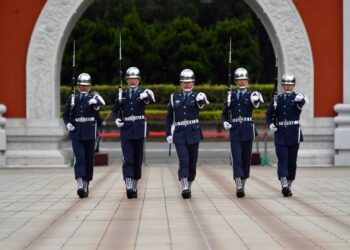
The UK government has launched a controversial initiative aimed at recruiting young people who are not in education, employment, or training (NEETs) into the military, raising significant debate about its implications.
The UK government has initiated a controversial program to recruit young people who are not in education, employment, or training (NEETs) into the military, amid rising concerns over youth unemployment, which affects over 1 million individuals in this age group. Critics argue that this strategy may not effectively address the underlying causes of joblessness among NEETs.
Veterans Minister Louise Sandher-Jones has been a prominent advocate for military service as a viable option for young people facing bleak job prospects. However, this initiative has ignited a debate about whether the military is the appropriate solution for NEETs. Some critics have labeled the recruitment drive as an “economic draft,” suggesting that it exploits the vulnerabilities of young people with limited options.
Evaluating Military Service as a Career Path
Joining the military can provide several benefits for young NEETs. Analysis from Career Ahead indicates that military service offers valuable training and skills that are transferable to civilian jobs. Individuals who serve often develop leadership abilities, discipline, and technical skills that are highly regarded in various industries. The structured military environment can also foster a strong work ethic, essential for success in any career.
Research from folia.unifr.ch highlights that military training can enhance personal development and resilience, which are critical traits in today’s job market. Young individuals like Alexandra Williams, who transitioned from university to the military, report that their experiences helped them secure jobs in competitive fields such as public relations. However, dropout rates among young recruits raise concerns. Data from the Child Rights International Network indicates that nearly 30% of recruits under 18 leave the Army Foundation College before completing their training, suggesting that military service may not be suitable for many NEETs and could exacerbate their unemployment status.
Moreover, the NEET economy underscores broader socio-economic factors contributing to youth unemployment. Many young NEETs come from disadvantaged backgrounds and face barriers such as lack of access to quality education and job opportunities. This context complicates the narrative around military recruitment, as it may not address the systemic issues leading to high NEET rates. Career Ahead also notes that while military service can provide immediate job training, it may not align with the long-term career aspirations of young individuals. For many, the military serves as a temporary fix for unemployment rather than a permanent career solution.
Research from folia.unifr.ch highlights that military training can enhance personal development and resilience, which are critical traits in today’s job market.
Cornell University's president, Michael Kotlikoff, has labeled the ongoing rape inquiry a 'defining moment' for the institution, emphasizing the need for significant changes in campus…
The UK government has committed significant resources to recruit young NEETs into the military. Recently, the Ministry of Defence announced a £70 million plan to expand the Cadet Force by 30% and place military personnel in job centers to actively recruit young people. These efforts reflect a broader strategy to tackle youth unemployment through military service. However, public opinion on this approach is divided. Many youth organizations and peace groups argue that framing military service as a solution to unemployment is problematic. Critics, including Emma Sangster from Forces Watch, describe this as an “economic draft” that exploits vulnerable young people, potentially leading to a cycle of poverty and military dependency.
Career Ahead’s research suggests that while some young individuals may benefit from military training, the overall effectiveness of this approach remains questionable. Jim Wyke from the Child Rights International Network argues that the military’s recruitment strategy could inadvertently create more NEETs than it resolves, as the high dropout rates indicate that many young recruits do not find fulfilling careers in the military. This perspective is supported by studies advocating for alternative pathways that prioritize education and vocational training over military enlistment.
Furthermore, the push for military recruitment raises ethical questions about the government’s responsibility to provide sustainable employment solutions. Critics suggest that the focus should shift toward creating diverse job opportunities and vocational training programs tailored to young NEETs, ensuring they have access to various career pathways instead of being funneled into military service as a default option.
Long-Term Consequences for Young NEETs
For young NEETs, the military may appear to be a quick solution to unemployment, but the long-term implications of such a decision could be significant. It is crucial for these individuals to evaluate whether this path aligns with their personal and professional goals. The NEET crisis reflects systemic failures in education and the job market that require a comprehensive approach to address.
The ongoing discussion about military recruitment for NEETs represents a pivotal moment for youth employment strategies in the UK. As the government advances its recruitment initiatives, the effectiveness of these strategies must be closely monitored. Career Ahead’s analysis emphasizes the importance of understanding the outcomes of military service for young NEETs in assessing this approach. Moving forward, exploring alternative pathways such as vocational training, apprenticeships, and direct job placements may offer more sustainable solutions, empowering young NEETs to build careers that align with their interests and skills rather than resorting to military service as a last resort.
India is set to reform its Goods and Services Tax (GST) enforcement framework, potentially removing arrest powers from tax officers and requiring court approval for…
The question remains whether the military can effectively tackle the underlying issues of youth unemployment or if it merely serves as a temporary fix to a deeper societal problem. As the government evaluates its recruitment strategies, prioritizing long-term career development opportunities will be essential. Ultimately, the success of any strategy will depend on its ability to provide meaningful opportunities for young NEETs. As public sentiment continues to evolve, it will be crucial for policymakers to remain responsive to the needs and aspirations of this vulnerable group.
It is crucial for these individuals to evaluate whether this path aligns with their personal and professional goals.
Frequently Asked Questions
What are the career benefits of military service for young NEETs?
Military service offers young NEETs valuable skills and training that can enhance their career prospects, including leadership, discipline, and technical abilities that are transferable to civilian jobs.
How does military service impact youth unemployment rates?
While military recruitment aims to reduce youth unemployment, the high dropout rates among recruits suggest it may not effectively address the issue. Critics argue that it could lead to more NEETs rather than fewer.
What should young NEETs consider before joining the military?
Young NEETs should weigh the benefits of military service against the risks, including high dropout rates and whether it aligns with their long-term career goals. Understanding the implications of this choice is crucial for their future.




Government & Policy

 Government & Policy