No products in the cart.

Youth Sports Concussions Surge as Seasons Overlap, Ignoring Recovery

Playing year-round is turning teen athletes into walking time-bombs for their brains. The Problem Concussions are a growing concern in youth sports. According…

Playing year-round is turning teen athletes into walking time-bombs for their brains.
The Problem
Concussions are a growing concern in youth sports. According to the CDC, 1.6 to 3.8 million sports-related concussions occur annually among U.S. youth. A 2024 Ohio University study found that athletes who play overlapping seasons are 27% more likely to sustain a repeat head injury within a year. Maya Torres, a 15-year-old soccer and basketball player, is a prime example. After a hard header in soccer and a collision on the basketball court, she was diagnosed with a second concussion in three months.
Coaches often downplay symptoms, and 42% of high-school coaches admit to allowing players to return to practice before the recommended 24-hour symptom-free window, according to a 2023 survey by the National Federation of State High School Associations (NFHS). This can lead to repeated micro-impacts that accelerate damage.

The Context
The push for early specialization has reshaped youth sports. Parents enroll children in elite travel teams, private clinics offer “skill-enhancement” camps, and leagues schedule tournaments back-to-back to maximize exposure. Winning has become the metric for success, eclipsing safety. League bylaws often reward teams with more games and higher attendance, creating a financial incentive to keep rosters full.
Parents enroll children in elite travel teams, private clinics offer “skill-enhancement” camps, and leagues schedule tournaments back-to-back to maximize exposure.
A 2022 interview with a former high-school baseball coach revealed that “parents expect us to push kids, and we’re afraid of losing scholarships if we sit them out” (personal communication, May 2024). The patchwork of concussion protocols also contributes to the problem. The NFHS mandates a baseline neurocognitive test for varsity athletes, but middle-school leagues are exempt.
The Stakes
Repeated head trauma links to Chronic Traumatic Encephalopathy (CTE), a degenerative condition marked by memory loss, depression, and dementia. Ohio University’s longitudinal analysis of former youth athletes found that those with three or more concussions before age 18 had a 4.5-fold higher odds of early-onset CTE symptoms compared to peers with none. Short-term effects are equally damaging, including headaches, dizziness, and concentration problems that can spill into the classroom.
The Response
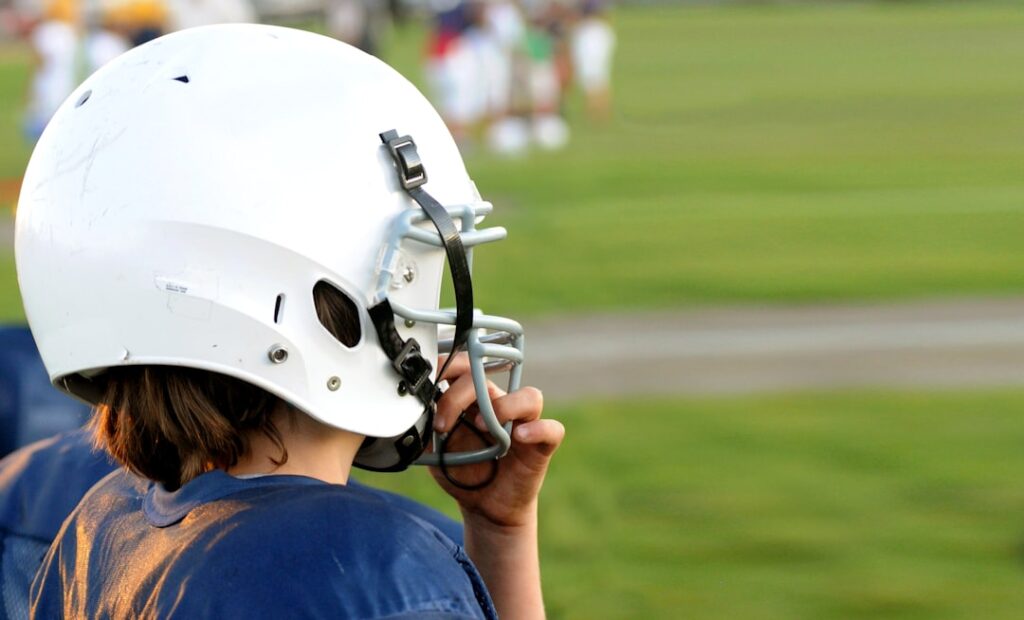
Leagues are beginning to act, though progress is uneven. The NFHS introduced a “Return-to-Play” checklist in 2023, requiring symptom-free rest and a physician’s clearance before athletes can resume. Some state high-school associations, like California’s CIF, have mandated baseline testing for all varsity athletes, regardless of sport. Education campaigns are gaining traction, and technology offers new tools, such as impact-sensor helmets.
Researchers are also exploring therapeutic advances, including a low-dose transcranial magnetic stimulation protocol for adolescent concussion patients. While promising, the treatment remains experimental and costly.
You may also like
 Business
Essential December 2025 Workplace Law Checklist by JD Supra
Discover JD Supra's essential checklist for workplace law updates in December 2025. Stay compliant and prepared for changes that impact your business.
Read More →The Outlook
If the current wave of research and policy reforms continues, the trajectory could shift toward safer play. The National Institutes of Health has earmarked $150 million for concussion-prevention research over the next five years, targeting sensor development, biomarker discovery, and evidence-based guidelines. Cultural change is the harder hurdle, but some districts are experimenting with “off-season” mandates, prohibiting organized competition for two consecutive months each year.
Education campaigns are gaining traction, and technology offers new tools, such as impact-sensor helmets.
“`json
{
“excerpt”: “Overlapping youth sports seasons are driving a surge in repeat concussions, threatening long-term brain health and prompting a patchwork of new safety measures.”,
“image_keywords”: [“youth athlete”, “concussion helmet sensor”, “sports injury clinic”]
}