No products in the cart.

Youth Talent to Create India’s Next Tech Giants
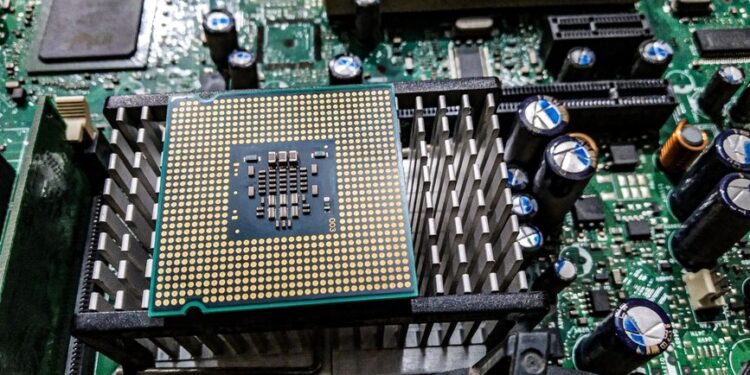
Vaishnaw highlighted that five semiconductor units are now in commercial production, with many global companies eager to invest.

India’s semiconductor industry is growing thanks to the government’s push for local manufacturing and innovation. IT Minister Ashwini Vaishnaw announced on September 19, 2026, that the country aims to develop tech giants like Qualcomm and Intel, driven by its youth. The government’s Semicon 2.0 policy is attracting significant investments from global players, marking a key moment for India’s tech landscape.
Vaishnaw noted that five semiconductor units are now in commercial production. Many global companies are eager to invest. This change reflects a shift in how people view India’s manufacturing capabilities, moving from doubt to confidence. The minister believes the younger generation will play a vital role in creating unique products that can compete globally.
Investment Surge in India’s Semiconductor Sector
The Indian government is investing heavily in the semiconductor industry, with around USD 11-12 billion under the Semicon 2.0 initiative. This policy aims to build a complete semiconductor ecosystem, focusing on chip fabrication, design, materials, and equipment. The goal is to integrate local MSMEs into precision manufacturing, creating a strong supply chain.
At the recent SEMICON India event, major announcements included Applied Materials’ USD 5 billion investment plan through 2035 and Lam Research’s proposed ₹10,000-crore investment. These investments show strong confidence in India’s manufacturing abilities and the potential for local talent to drive innovation. The government aims to train 100,000 technicians and support 200 chip-design startups to build a skilled workforce.
This educational reform aligns with the growing demand for skilled professionals, especially in AI integration and hardware design.
The Ministry of Youth Affairs and Sports emphasizes that empowering youth through education and training is crucial for these initiatives’ success. The government plans to upgrade university courses to include system design, ensuring the next generation of engineers is ready to tackle semiconductor industry challenges. This educational reform aligns with the growing demand for skilled professionals, especially in AI integration and hardware design.
This investment surge not only improves India’s manufacturing landscape but also positions the country as a global competitor in the semiconductor value chain. Nearly 600 companies participated in SEMICON India, showcasing the growing interest from international players eager to establish a presence in India. The involvement of global firms highlights India’s strategic importance in the global tech ecosystem, making it a hub for innovation and manufacturing.
The Role of Youth in Shaping the Future of Technology
India’s youth are seen as key drivers of innovation in technology. The minister’s statement that the next Qualcomm and Intel will come from India highlights the potential of young innovators to disrupt markets. Focusing on creating unique products, rather than just replicating existing ones, is essential for gaining a competitive edge.
Career Ahead’s analysis shows that emphasizing local talent is vital for sustaining growth in the semiconductor sector.
Career Ahead’s analysis shows that emphasizing local talent is vital for sustaining growth in the semiconductor sector. Young engineers and entrepreneurs should use their creativity and technical skills to develop unique solutions that attract global manufacturers. This shift towards innovation is supported by government initiatives that foster a culture of entrepreneurship among youth. Organizations like Youth Vision India empower young leaders and promote an environment conducive to innovation.
The rise of deep-tech startups in India also supports young innovators. These startups create jobs and push the limits of technology, especially in AI and machine learning. As these technologies integrate into hardware design, young professionals will lead a technological revolution. Integrating AI into semiconductor design is expected to enhance efficiency and reduce costs, making India competitive in the global market.

However, challenges remain for India to become a global hub for semiconductor manufacturing. Cybersecurity threats and geopolitical tensions could pose risks to the industry. Yet, the proactive approach by the government and industry leaders shows a commitment to protecting India’s position in the global market. The Ministry of Youth Affairs and Sports stresses the need for resilience and adaptability among youth, preparing them to navigate the global tech landscape.
In this context, continuous learning and adaptation among young professionals is crucial. As the industry grows, so will opportunities for those willing to embrace new technologies and methods. The government’s investment in education and training is essential for preparing the workforce for the future, ensuring young people have the skills needed to thrive in a rapidly changing industry.
The future of India’s semiconductor industry looks bright, but it will require cooperation from the government, industry, and youth to reach its full potential. With the right investments and a focus on innovation, India can become a leader in semiconductor technology. As India builds its semiconductor ecosystem, the question remains: how will the youth use their skills and creativity to overcome challenges and drive technological advancements?
Career Ahead’s review indicates that startup founders in the AI sector should focus on understanding machine learning algorithms, data analysis, and product development.
Frequently Asked Questions
What funding opportunities are available for Indian tech startups?
Career Ahead’s analysis shows that under the Semicon 2.0 policy, Indian tech startups can access significant funding opportunities, with around USD 11-12 billion in investment interest. This funding aims to support chip design, manufacturing, and talent development initiatives.
How can software engineers transition to hardware roles?
Career Ahead research finds that software engineers can transition to hardware roles by gaining skills in semiconductor design and manufacturing. The growing demand for hardware engineers in startups focused on deep-tech solutions presents a viable pathway for this transition.

What skills are essential for startup founders in the AI sector?
Career Ahead’s review indicates that startup founders in the AI sector should focus on understanding machine learning algorithms, data analysis, and product development. These skills are crucial for building competitive AI-driven products that can succeed in the market.
Written by Career Ahead AI. AI can make mistakes, so verify key facts. Report errors to support@careeraheadonline.com.