No products in the cart.

Youth Voices in Global Policy: Shaping Tomorrow

Young voices are reshaping global policy on critical issues like education and equality. Discover their impact and future potential.

London, United Kingdom — A new generation of young leaders is emerging, ready to tackle the pressing issues of education, environment, and equality. As the world grapples with unprecedented challenges, these youth activists are stepping into roles traditionally held by seasoned policymakers. Their fresh perspectives and innovative ideas are not just influencing discussions but are actively shaping policies on a global scale.
Why does this matter now? The urgency for effective, inclusive policies has never been greater. Climate change, educational inequality, and social justice are at the forefront of global discourse, and young voices are vital in these conversations. The United Nations has even recognized the importance of youth engagement, calling for their involvement in decision-making processes at all levels.
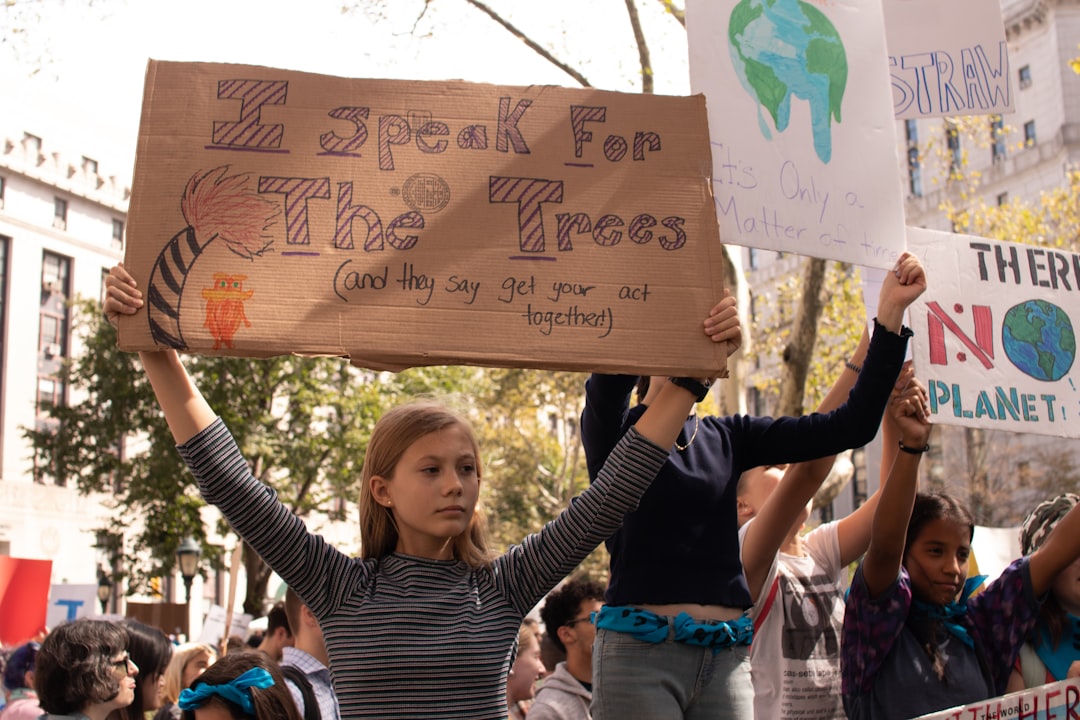
The rise of youth in policy isn’t just a trend; it reflects a fundamental shift in how governance and advocacy are approached. Organizations like the United Nations Youth Envoy and various non-profits are providing platforms for young leaders to voice their concerns and propose solutions. For instance, the UN’s Youth2030 strategy aims to empower young people globally, recognizing their potential as agents of change.
Across the globe, young activists are making their mark. In Kenya, for example, 24-year-old Wangari Maathai, a climate activist, is advocating for sustainable practices that protect both the environment and local communities. Her initiatives have mobilized thousands of youths to plant trees and engage in conservation efforts, addressing both climate change and unemployment in the region.
 Branding
The Air Jordan Effect: How Nike Keeps a 40-Year-Old Sneaker Relevant in 2025
Nike’s Air Jordan 1 celebrates its 40th anniversary with a bold marketing campaign that blends nostalgia, controversy, and digital innovation.…
Read More →The rise of youth in policy isn’t just a trend; it reflects a fundamental shift in how governance and advocacy are approached.
In the United States, 19-year-old climate activist Alexandria Villaseñor is making waves with her organization, Earth Uprising, which focuses on educating youth about climate change and advocating for policy reforms. Villaseñor’s efforts have not only garnered national attention but have also inspired a global movement among young people advocating for environmental justice.
Meanwhile, in Sweden, Greta Thunberg has become a global symbol of youth activism, rallying millions with her Fridays for Future initiative. Thunberg’s straightforward approach to climate advocacy has resonated with young people worldwide, igniting a sense of urgency and accountability among world leaders.
These examples illustrate a broader trend: young people are not merely participants in policy discussions; they are leading them. According to a recent survey by the International Youth Foundation, 80% of young people believe they can influence policy decisions that affect their lives. This statistic underscores a significant shift in mindset, where youth no longer see themselves as passive recipients of policy but as active contributors.
However, the path is not without challenges. Many young activists face pushback from established political structures resistant to change. In authoritarian regimes, youth voices are often silenced or marginalized. Furthermore, there is a growing concern about the digital divide; not all young people have equal access to the platforms and resources necessary to amplify their voices.
 Career Development
Remote Work Resilience: Top Jobs After Tech Layoffs
Discover the remote jobs that are likely to endure beyond the recent tech layoffs, focusing on skills in demand for…
Read More →Despite these hurdles, the momentum is undeniable. The World Economic Forum reports that nearly 70% of the global population is under the age of 30, making youth engagement critical for sustainable development. As decision-makers recognize the value of diverse perspectives, the role of young people in shaping policy will only expand.
Looking ahead, the integration of young voices in policy will likely lead to more inclusive and innovative solutions. As they continue to challenge the status quo, we can expect to see shifts in legislation that prioritize environmental sustainability, educational access, and social equity.
The World Economic Forum reports that nearly 70% of the global population is under the age of 30, making youth engagement critical for sustainable development.
Moreover, as technology advances, young leaders are harnessing digital tools to amplify their messages and mobilize support. Social media platforms have become powerful vehicles for activism, allowing youth to connect, collaborate, and campaign on a global scale. This interconnectedness will enhance their ability to influence policy and create lasting change.
The call for youth engagement in policy is not merely a trend; it is an essential component of a thriving democracy. As we move forward, the question remains: how can we further empower this generation to ensure their voices are not just heard but actively shape the policies that will define our future?
 Education
Reimagining Careers with Drone Technology at Stony Brook Southampton
Stony Brook Southampton is hosting a drone technology showcase, highlighting emerging career opportunities in this cutting-edge field. Don't miss it!
Read More →