


San Francisco, USA — Zanskar, an innovative energy startup, has successfully raised $115 million to leverage artificial intelligence in the search for hidden geothermal energy sources. This significant funding round marks a pivotal moment in the intersection of technology and sustainable energy. As the world grapples with climate change and seeks cleaner energy alternatives, Zanskar’s approach could redefine how we discover and utilize geothermal resources.
The funds will be used to enhance Zanskar’s AI technology, which analyzes geological data to identify potential geothermal sites. This method promises to reduce the time and cost associated with traditional exploration techniques. By harnessing AI, Zanskar aims to streamline the process of locating geothermal resources, which are often overlooked in favor of more conventional energy sources.
Geothermal energy, derived from the Earth’s internal heat, has long been recognized as a sustainable alternative to fossil fuels. However, the challenge has always been in identifying viable sites for drilling. Zanskar’s technology addresses this issue head-on, potentially unlocking vast reserves of geothermal energy that remain untapped.
Why Zanskar’s Approach Matters Now
As global energy demands rise, the urgency to find sustainable solutions has never been greater. Zanskar’s innovative approach aligns with the increasing focus on renewable energy sources. According to the International Renewable Energy Agency (IRENA), geothermal energy has the potential to supply up to 30% of the world’s energy needs by 2050. However, realizing this potential requires advancements in exploration technology.
In recent years, the energy sector has seen a surge of investment in clean technologies. Zanskar’s $115 million funding round reflects this trend and highlights the growing recognition of geothermal energy’s role in the renewable landscape. Investors are increasingly looking for opportunities that not only promise financial returns but also contribute to environmental sustainability.
According to the International Renewable Energy Agency (IRENA), geothermal energy has the potential to supply up to 30% of the world’s energy needs by 2050.
Moreover, the global push for reducing carbon emissions has put pressure on traditional energy sources. Governments worldwide are implementing policies to incentivize renewable energy adoption. Zanskar’s efforts to harness AI for geothermal exploration could position the company as a leader in this rapidly evolving market.
The potential impact of Zanskar’s technology extends beyond just energy production. By improving the efficiency of geothermal resource identification, the company could also create jobs and stimulate economic growth in regions rich in geothermal potential. This aligns with broader goals of transitioning to a greener economy while addressing local employment needs.
 Government & Policy
Rubio Urges More US-India Energy Trade and Venezuelan Crude Refining
Rubio discussed refining Venezuelan crude with Indian companies and described India as a “refining superpower”.
Read More →What This Means for Your Career in Energy
For professionals in the energy sector, Zanskar’s advancements present both challenges and opportunities. Entry-level workers may find new roles emerging in AI and data analysis as companies increasingly rely on technology to optimize operations. Mid-career professionals may need to adapt by upskilling in AI and machine learning to stay relevant in a changing landscape.
Career switchers looking to enter the energy sector should consider focusing on sustainable technologies. Zanskar’s model illustrates a growing demand for expertise in renewable energy and AI. Educational institutions are beginning to offer specialized programs in these areas, providing a pathway for those looking to pivot into the energy field.
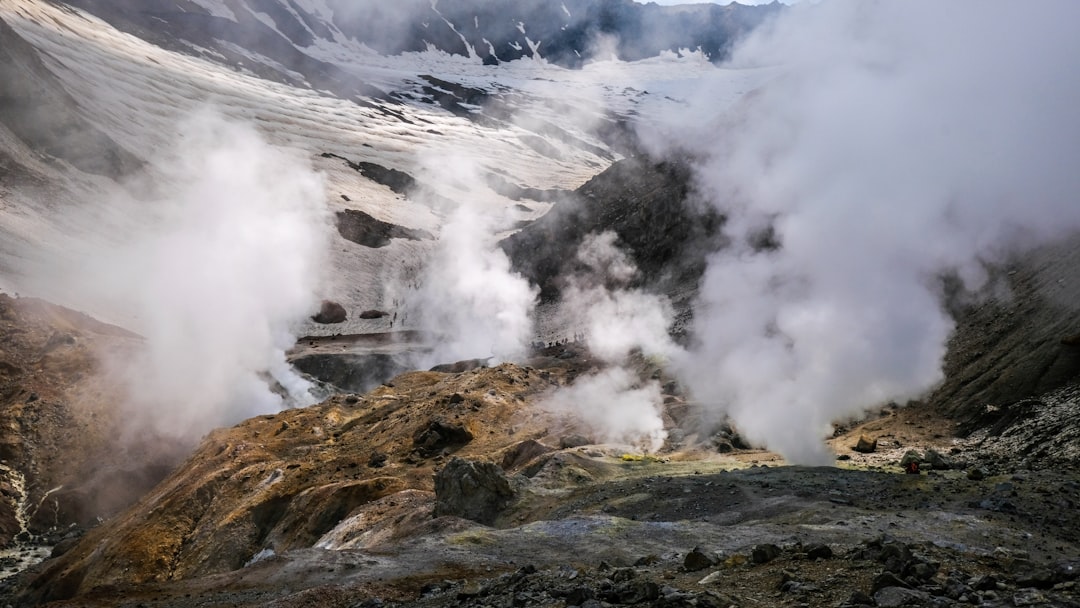
Additionally, geographic hotspots for energy jobs are shifting. Areas rich in geothermal resources, such as parts of California and Nevada, may see a surge in job openings as companies like Zanskar expand their operations. Understanding these trends can help job seekers target their efforts effectively.
- Upskill in AI: Consider taking courses in AI and machine learning to enhance your skill set.
- Network in the renewable sector: Attend industry events and join professional organizations focused on clean energy.
- Research geographic hotspots: Identify regions where geothermal energy is being developed and target your job search accordingly.
However, some experts caution that while Zanskar’s approach is promising, it may not be a silver bullet for the energy crisis. According to Dr. Emily Carter, a leading researcher in geothermal energy, “While AI can significantly improve exploration efficiency, the actual extraction and utilization of geothermal energy still face technical and regulatory challenges that must be addressed before we can fully realize its potential.”
Mid-career professionals may need to adapt by upskilling in AI and machine learning to stay relevant in a changing landscape.
The Future of Geothermal Energy Exploration
Looking ahead, the future of geothermal energy exploration appears bright, especially with the infusion of AI technology. As Zanskar continues to develop its capabilities, we may see a paradigm shift in how geothermal resources are identified and utilized. This could lead to a more sustainable energy future, reducing reliance on fossil fuels and lowering carbon emissions.
Moreover, as more startups and established companies invest in AI-driven energy solutions, the competition will likely foster innovation. This could result in faster advancements in geothermal technology and broaden the scope of what is possible in the energy sector.
 AI & Technology
Meta’s AI Tools Action 5.3 Million Child Exploitation Content in India
Meta Platforms has taken significant steps to combat child exploitation online, acting on 5.3 million pieces of child sexual exploitation content in India and 33.2…
Read More →As Zanskar sets its sights on revolutionizing energy discovery, one must consider the implications for the workforce. Will the demand for traditional energy roles diminish as AI takes center stage? Or will the integration of AI create new opportunities that we have yet to imagine?
Written by Career Ahead AI. AI can make mistakes, so verify key facts. Report errors to support@careeraheadonline.com.





