No products in the cart.

12,000 Applicants Compete for 72 Hilton Internships

Hilton's chief human resources officer, Laura Fuentes, noted that while AI has streamlined the application process, it has also created challenges for recruiters.

In 2026, Hilton received an overwhelming 12,000 applications for just 72 internship positions, marking a significant increase in competition for entry-level roles. This surge highlights the intense job market for Gen Z, particularly as AI continues to reshape recruitment strategies. The application process has become more accessible due to AI tools, yet this has resulted in a flood of applications, making it harder for candidates to stand out.
Hilton’s chief human resources officer, Laura Fuentes, noted that while AI has streamlined the application process, it has also created challenges for recruiters. The hotel chain’s internship program, known as Launch, is aimed at providing young professionals with a comprehensive understanding of the hospitality industry. However, the selection process has become increasingly competitive, with only 0.6% of applicants being accepted this year. This stark figure illustrates the narrowing window for aspiring interns, as the pool of applicants grows disproportionately larger compared to the available positions.
Intensifying Competition for Gen Z Interns
As the job market evolves, Gen Z faces a unique set of challenges. The Hilton internship program, which offers a two-year rotational experience, has attracted a diverse pool of candidates from around the world. This year, the hotel giant received 12,000 applications, a stark contrast to the 5,000 applications for 20 positions reported in 2025. This dramatic increase underscores the growing appeal of internships in the hospitality sector, particularly at a renowned brand like Hilton. According to a report by Fortune, the acceptance rate has plummeted to just 0.4%, emphasizing the fierce competition among applicants.
Career Ahead’s analysis finds that the rise in applications is not solely due to Hilton’s reputation but also reflects broader trends in the job market. With many companies adopting AI-driven recruitment processes, candidates are leveraging these tools to enhance their applications. However, this ease of access has led to an overwhelming number of submissions, making it difficult for recruiters to identify standout candidates. The influx of applications has prompted Hilton to consider more sophisticated methods of filtering candidates, potentially utilizing AI to assess qualifications and fit more effectively.
Digital Skills and Authenticity in Applications
The internship landscape is becoming increasingly digital. Candidates are expected to demonstrate not only their academic qualifications but also their digital skills. As AI tools become more integrated into the hiring process, the importance of showcasing proficiency in technology and adaptability is paramount. Recruiters are now looking for candidates who can navigate these tools effectively and demonstrate genuine interest in the hospitality industry. The expectation for digital fluency extends beyond basic computer skills; candidates must be prepared to engage with advanced analytics and customer relationship management systems, which are becoming standard in the hospitality sector.
The expectation for digital fluency extends beyond basic computer skills; candidates must be prepared to engage with advanced analytics and customer relationship management systems, which are becoming standard in the hospitality sector.
This trend is echoed in various sectors, where AI is transforming the way companies approach hiring. For instance, Hilton’s emphasis on a comprehensive understanding of its business model means that candidates must be prepared to engage with various aspects of hotel operations, analytics, and technology. This multifaceted approach to internships is becoming a standard expectation across industries, further intensifying competition. As noted in a recent article from Livemint, the integration of AI in recruitment processes is reshaping the job landscape, making it essential for candidates to not only meet traditional qualifications but also to exhibit a strong grasp of technology and data-driven decision-making.
AI’s Impact on Recruitment Practices
AI is fundamentally changing how companies like Hilton approach recruitment. The technology allows for quicker and more efficient processing of applications, but it also raises concerns about authenticity. Fuentes emphasized that while AI helps candidates apply more easily, it can lead to a loss of personal touch in applications. Recruiters are inundated with applications, making it challenging to identify candidates who genuinely connect with the company culture. This situation creates a paradox where the very tools designed to streamline hiring may inadvertently dilute the quality of candidate engagement.
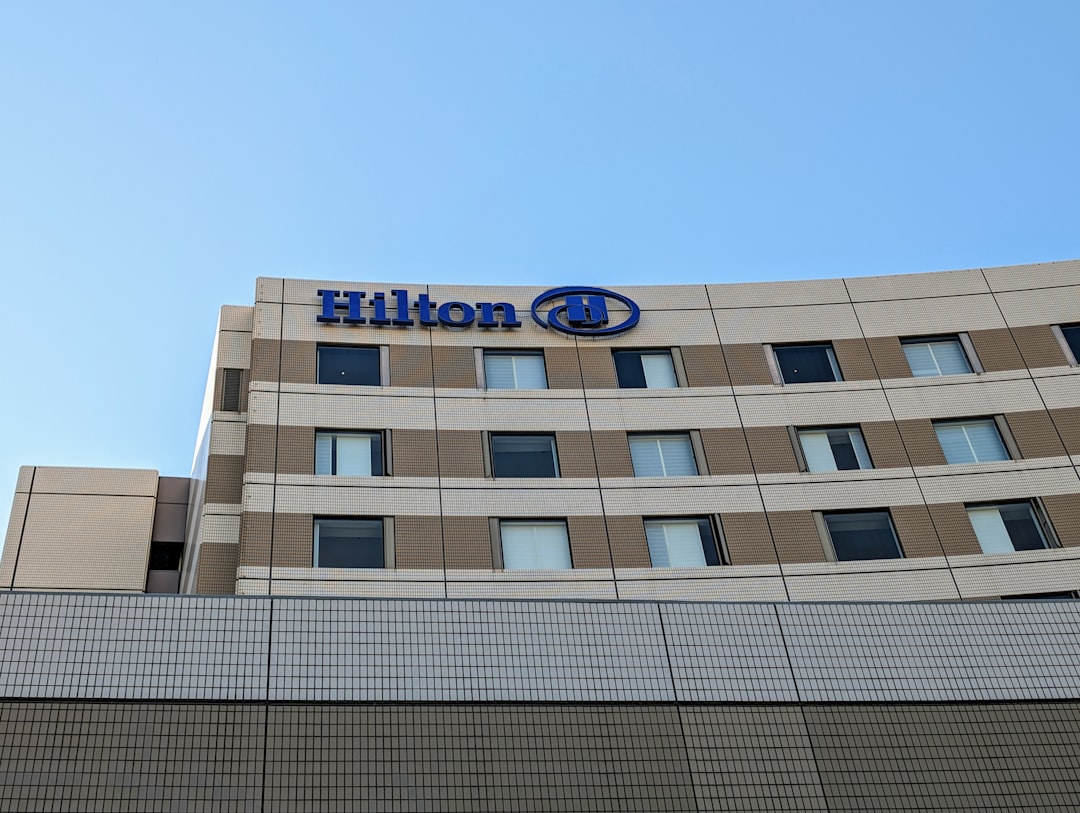
In this context, authenticity becomes a key differentiator for candidates. Those who can convey their unique experiences and motivations in their applications are more likely to capture the attention of recruiters. Career Ahead research indicates that candidates who personalize their applications, despite the ease of using AI tools, stand a better chance of being selected. This trend highlights the importance of genuine engagement with the application process, as candidates who can articulate their passion for hospitality and their career aspirations are more likely to resonate with hiring managers.
Future Trends in Internship Applications
As the application window for 2027 opens, Hilton has already received nearly 15,000 applications, indicating that the demand for these positions continues to grow. This influx of interest suggests that the competition will only become fiercer, making it crucial for applicants to differentiate themselves in meaningful ways. The trend of increasing applications is likely to continue as more students recognize the value of internships in securing future employment, particularly in a competitive field like hospitality.

In summary, the competitive nature of internships at Hilton illustrates the challenges Gen Z faces in the job market. With AI reshaping recruitment strategies, candidates must be prepared to navigate a landscape that prioritizes both technological proficiency and authentic engagement. As the demand for internships continues to rise, the question remains: how will candidates adapt to these evolving expectations in the near future?
The trend of increasing applications is likely to continue as more students recognize the value of internships in securing future employment, particularly in a competitive field like hospitality.
Frequently Asked Questions
What skills do Gen Z interns need to compete for internships?
To compete for internships, Gen Z interns should focus on developing digital skills, particularly in areas like data analytics and customer relationship management. Additionally, demonstrating authenticity and a genuine interest in the hospitality industry can help candidates stand out.
How is AI changing the internship application process in hospitality?
AI is streamlining the application process, making it easier for candidates to apply. However, this has led to an overwhelming number of applications, making it challenging for recruiters to identify standout candidates.

What should hospitality management students do to improve their internship applications?
Hospitality management students should focus on showcasing their unique experiences and motivations in their applications. Personalizing applications, despite the ease of using AI tools, can significantly enhance their chances of being selected.
Related Articles
- IDFC First Bank Profit Soars 132% to Rs 1,075 Crore
Written by Career Ahead AI. AI can make mistakes, so verify key facts. Report errors to support@careeraheadonline.com.