No products in the cart.

How Unions Are Confronting A.I. Threats in the Workplace
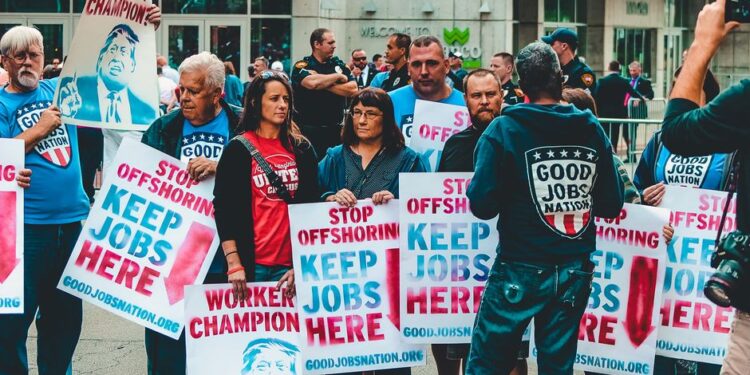
Unions in the manufacturing sector are actively negotiating safeguards against job losses due to AI, focusing on job security and retraining programs for workers.

Unions are increasingly confronting the threats posed by AI automation in the workplace. Recent negotiations have highlighted how unions are advocating for job security and worker retraining programs in response to the rapid integration of AI technologies across various sectors. This shift in focus is particularly significant as industries adapt to technological advancements, affecting both job availability and the skills required for future roles.
In a notable development, unions across the manufacturing sector have initiated discussions aimed at establishing safeguards against potential job losses due to AI. These negotiations are not just about preserving existing jobs but also about ensuring that workers are equipped with the necessary skills to thrive in an evolving job market. The urgency of these discussions has been amplified by recent reports indicating that a significant percentage of jobs in manufacturing could be automated within the next decade. According to a report by the New York Times, nearly 40% of jobs in the manufacturing sector are at risk of being automated by 2030, which has prompted unions to take immediate action.
Negotiating Job Security Amidst Automation
Unions are taking a proactive stance in negotiations to protect jobs from AI-driven automation. Career Ahead’s analysis indicates that union leaders are pushing for agreements that include provisions for job security and retraining initiatives. For instance, the United Auto Workers (UAW) have been at the forefront of these discussions, advocating for contracts that prioritize job preservation and worker training in response to the increasing use of robotics in manufacturing.
Recent reports show that nearly 40% of jobs in the manufacturing sector are at risk of being automated by 2030. In light of this, unions are working to establish frameworks that not only address immediate job security concerns but also focus on long-term workforce development. This includes negotiating for funding and resources to support training programs that help workers transition into roles that require more advanced skills, particularly in technology and data management. The urgency of these negotiations is underscored by the fact that many workers feel uncertain about their future as AI technologies continue to evolve rapidly.
Furthermore, unions are collaborating with educational institutions and training organizations to create tailored programs that align with the needs of the industry. This partnership aims to ensure that workers can acquire the skills necessary to operate alongside AI technologies, thereby enhancing their employability in a changing job landscape. As Timothy Dimoff, a workplace dynamics expert, points out, the integration of AI requires a workforce that is not only technically proficient but also adaptable to new challenges. This adaptability is crucial as industries increasingly rely on AI to enhance productivity and efficiency.
This includes negotiating for funding and resources to support training programs that help workers transition into roles that require more advanced skills, particularly in technology and data management.
Legal frameworks are also a focal point in these negotiations. Unions are advocating for regulations that protect workers’ rights in the face of AI integration. This includes pushing for transparency in how AI systems are implemented and ensuring that workers have a say in the adoption of technologies that affect their jobs. The New York Times highlights that unions are demanding that companies disclose how AI will impact job roles and what measures will be taken to mitigate job loss, emphasizing the importance of worker involvement in these discussions.
Career Ahead research finds that these union strategies are not only crucial for immediate job security but also for fostering a more resilient workforce. By focusing on retraining and legal protections, unions are setting a precedent for how labor organizations can adapt to technological changes while safeguarding their members’ interests. The proactive measures taken by unions signal a shift towards a more collaborative approach between workers and employers, aiming to create a balanced environment where technological advancements do not come at the expense of job security.
Training Programs: Preparing Workers for the Future
As unions negotiate new agreements, training programs are becoming a cornerstone of their strategy to combat AI job displacement. These programs are designed to equip workers with the skills needed to succeed in an increasingly automated environment. For example, initiatives launched by unions in collaboration with tech companies aim to provide workers with hands-on experience in operating AI-driven machinery and software. This practical training is essential for ensuring that workers are not only familiar with new technologies but also capable of leveraging them to enhance their productivity.
Indeed.com highlights that upskilling workers is essential for maintaining job security in sectors heavily impacted by automation. By offering training in areas such as data analysis, machine learning, and robotics, unions are helping their members transition into roles that are less susceptible to automation. This proactive approach is crucial as it empowers workers to remain competitive in a job market that is rapidly evolving due to technological advancements. The emphasis on continuous learning and skill development is becoming increasingly important as industries face the dual challenge of integrating AI while also addressing the needs of their workforce.
Moreover, these training programs are often tailored to the specific needs of the industry, ensuring that workers receive relevant skills that match current job demands. Timothy Dimoff emphasizes that such targeted training can significantly enhance workers’ confidence and job performance, ultimately benefiting employers as well. This symbiotic relationship between worker training and employer needs is vital for fostering a workplace culture that values both human and technological contributions.
The emphasis on continuous learning and skill development is becoming increasingly important as industries face the dual challenge of integrating AI while also addressing the needs of their workforce.

In addition to technical skills, unions are also focusing on soft skills development, such as problem-solving and adaptability. These skills are increasingly valued in workplaces that are integrating AI technologies, as they enable workers to collaborate effectively with machines and other employees. The commitment to worker training not only addresses immediate concerns about job displacement but also fosters a culture of continuous learning within industries. This shift is essential for creating a workforce that is resilient and adaptable to future changes, ensuring that workers remain integral to the success of their organizations.
As unions continue to advocate for training and development, their efforts are paving the way for a more skilled workforce that can thrive in an AI-driven economy. While the challenges posed by AI automation are significant, the proactive measures being taken by unions provide a glimmer of hope for workers facing uncertainty. By negotiating for job security and investing in training programs, unions are not only protecting their members but also shaping the future of work in a way that prioritizes human skills alongside technological advancements.
Looking ahead, the evolving landscape of work will likely see further collaboration between unions, employers, and educational institutions as they navigate the complexities introduced by AI. The question remains: how effectively can these partnerships adapt to the rapid pace of technological change while ensuring that workers are not left behind?
Frequently Asked Questions
What strategies are union leaders using to address AI threats?
Union leaders are negotiating contracts that emphasize job security and retraining programs for workers affected by AI. They are also advocating for legal frameworks that protect workers’ rights in the face of automation.
Collaborating with educational institutions to develop relevant training programs is also essential for preparing workers for the future.
How can workers in automated industries prepare for AI changes?
Workers can prepare for AI changes by participating in training programs offered by unions that focus on acquiring new skills relevant to their industry. Upskilling in areas such as data management and robotics can enhance their employability.

What should union leaders do about AI integration in their sectors?
Union leaders should prioritize negotiations that include provisions for job security and worker training. Collaborating with educational institutions to develop relevant training programs is also essential for preparing workers for the future.
Related Articles
- 12,000 Applicants Compete for 72 Hilton Internships | Career Outlook
Written by Career Ahead AI. AI can make mistakes, so verify key facts. Report errors to support@careeraheadonline.com.