No products in the cart.

£210M Boost for Reviving Boarded-Up High Streets
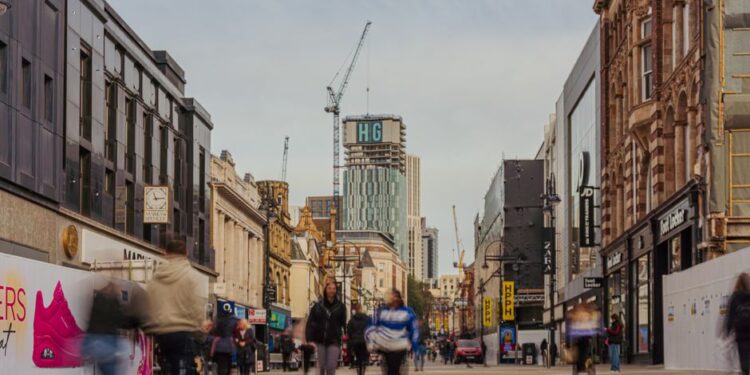
The UK government has pledged £210 million to regenerate boarded-up high streets, aiming to transform empty spaces into community hubs.

City, UK — The government has pledged £210 million to regenerate boarded-up high streets across the country. This initiative, announced by Mayor Andy Burnham, aims to transform empty shops, pubs, and clubs into vibrant community spaces. The funding is part of a broader effort to restore pride in local areas and empower residents to take charge of their neighborhoods.
This funding comes at a crucial time. High streets struggle with the impacts of online shopping and rising business costs. The initiative will help local communities turn vacant spaces into shared workspaces, cafes, and community hubs. This will ultimately revitalize town centers that have seen better days.
Transforming Urban Spaces for Local Needs
Burnham emphasized that the £210 million funding will give power back to locals. They understand their community best. The initiative includes a £125 million fund to help local councils revamp derelict buildings and vacant shopping centers. This funding aims to create spaces that meet the specific needs of local residents, such as community halls and health centers.
The focus on local needs is crucial. Many high streets have suffered from a lack of relevant services and amenities. This has led to a decline in foot traffic and community engagement.
Additionally, £65 million will support communities in rescuing and revitalizing at-risk businesses, including pubs and clubs. This funding is vital for maintaining the social fabric of neighborhoods. It ensures that local businesses can thrive amidst economic challenges. A report from the University of Southampton shows that many residents feel their high streets have declined significantly over the past decade. The new funding seeks to reverse this trend by creating spaces that encourage foot traffic and community interaction.
Additionally, £65 million will support communities in rescuing and revitalizing at-risk businesses, including pubs and clubs.
You may also like
 Government & Policy
US Schools Lose Race-Based Discrimination Data Access | Career Outlook
The Trump administration's new guidelines eliminate the use of race-based data in US schools, impacting how educational institutions address equity and systemic racism.
Read More →Career Ahead’s analysis shows that this funding initiative reflects a growing trend in urban regeneration. It prioritizes community engagement and local business support. By focusing on local needs, the funding aims to beautify town centers and foster a sense of ownership among residents. Rose Marley, chief executive of Co-operatives UK, described the funding as a “game changer” for communities, fostering positive change through collective action.
Moreover, the strategy aligns with findings from the University of Southampton. Many residents feel their high streets have declined significantly over the past decade. The new funding seeks to reverse this trend by creating spaces that encourage foot traffic and community interaction. As urban planners and local councils work together, they will focus on creating multifunctional spaces. These spaces will cater to the diverse needs of the community, ensuring that high streets are not just places to shop but vibrant centers of social life.
Job Creation and Economic Opportunities
The regeneration of high streets is expected to create numerous job opportunities for local residents. As new businesses open and existing ones are revitalized, the demand for workers will increase. This includes roles in hospitality, retail, and community services. It provides a much-needed boost to local employment.
The initiative is not only about physical transformation but also about economic revitalization. It aims to create a sustainable model for local economies. Local business owners will have the chance to leverage this funding to enhance their operations. By transforming vacant spaces into vibrant community hubs, they can attract more customers and increase their revenue streams.
This will benefit individual businesses and contribute to the overall economic health of the community. The funding is designed to be flexible. Local councils can tailor their approaches based on the unique characteristics and needs of their high streets.
This shift presents an opportunity for urban planners to innovate and create sustainable development plans that support both economic growth and social cohesion.
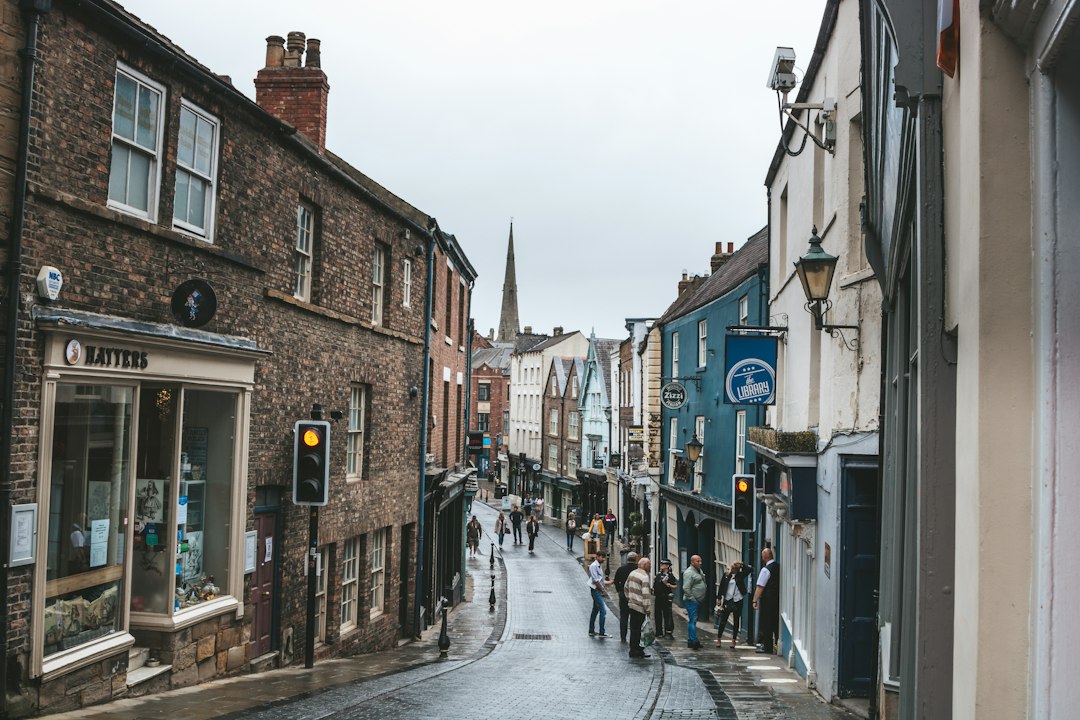
Career Ahead research finds that community-led regeneration projects often lead to job creation. This reflects the skills and needs of the local workforce. By focusing on local talent, the initiative can help reduce unemployment rates. It fosters a stronger connection between businesses and their communities. As high streets evolve into multifunctional spaces, urban planners will need to adapt their strategies. This shift presents an opportunity for urban planners to innovate and create sustainable development plans that support both economic growth and social cohesion.
You may also like
 Government & Policy
Crypto Tax Changes: VDA, TDS, ITR Explained
India's Income Tax Act 2025 introduces significant changes for crypto investors, particularly regarding Virtual Digital Assets (VDAs), TDS, and ITR filing rules. The Act retains…
Read More →As the government prepares to announce a comprehensive high streets strategy later this year, it will be crucial to ensure that these funds are allocated effectively. The strategy will detail how the funding will be managed and distributed. It will emphasize transparency and community involvement. This collaborative approach is essential for building trust. It ensures that the regeneration efforts align with the long-term goals of local residents.
As the UK embarks on this ambitious journey to rejuvenate its high streets, the question remains: will this funding be enough to turn the tide against the challenges facing local economies? The coming months will reveal how effectively communities can harness this opportunity for lasting change. The success of this initiative will depend not only on the financial investment but also on the active participation of local residents and businesses in shaping their high streets for the future.
Frequently Asked Questions
What are the best practices for urban planners in high street regeneration?
Urban planners should focus on community engagement. They must ensure that local residents have a voice in the regeneration process. They should also prioritize sustainable practices and consider the unique needs of each area.
This can help enhance their operations, attract more customers, and revitalize their businesses.
How can local business owners leverage new funding opportunities?
Local business owners can apply for grants and support provided by the funding. This can help enhance their operations, attract more customers, and revitalize their businesses. Collaborating with community organizations can also help maximize the impact of the funding.

What should urban planners do to prepare for upcoming regeneration projects?
Urban planners should conduct thorough assessments of the local area. This helps identify specific needs and opportunities. Engaging with the community and stakeholders early in the planning process will ensure that projects align with local priorities.
You may also like
 Government & Policy
India to Borrow 7.9 Trillion Rupees in Second Half as Planned
The decision to increase borrowing indicates a proactive stance by the government in addressing fiscal challenges. As global economic conditions fluctuate, the need for substantial…
Read More →