No products in the cart.

Google Launches Project Suncatcher for AI | Career Outlook
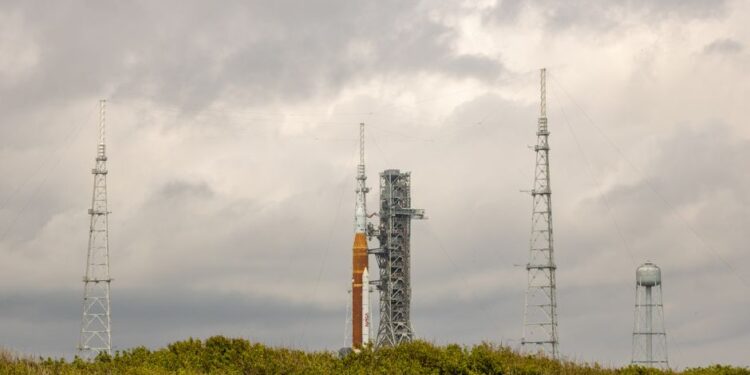
Project Suncatcher represents a significant leap in the intersection of artificial intelligence and aerospace engineering. By leveraging the unique conditions of low Earth orbit, Google aims to generate up to eight times more solar power than is possible on Earth. This substantial energy boost could enable satellites to manage larger AI workloads, paving the way for future advancements in various fields, including healthcare and scientific research.

Mountain View, California — On September 25, 2026, Google CEO Sundar Pichai announced Project Suncatcher, a groundbreaking initiative aimed at testing the performance of Tensor Processing Units (TPUs) in space. Scheduled for launch on October 1, 2026, this project will deploy a prototype satellite aboard SpaceX’s Transporter-18 mission. The goal is to explore whether space can provide a viable environment for scalable machine learning infrastructure.
Project Suncatcher represents a significant leap in the intersection of artificial intelligence and aerospace engineering. By leveraging the unique conditions of low Earth orbit, where satellites can access near-constant sunlight, Google aims to generate up to eight times more solar power than is possible on Earth. This substantial energy boost could enable satellites to manage larger AI workloads, paving the way for future advancements in various fields, including healthcare and scientific research. According to a report from Livemint, the project is envisioned as a long-term research moonshot that could redefine how machine learning infrastructure is deployed and utilized.
AI Compute’s Impact on Satellite Technology
The integration of AI compute in satellite technology has the potential to revolutionize how data is processed and utilized in space. Currently, satellites rely heavily on ground-based systems for processing information. However, with Project Suncatcher, the goal is to enable satellites to perform complex computations directly in orbit. This shift could drastically reduce latency and improve the efficiency of data handling. The ability to process data in real-time in space could enhance applications ranging from environmental monitoring to disaster response, allowing for quicker and more effective interventions. As noted by BBC, the implications of this technology extend beyond mere data processing; it could lead to autonomous satellites capable of self-repair and adjustments based on AI-driven insights, fundamentally changing the operational dynamics of space missions.
Furthermore, the success of Project Suncatcher could lead to the development of new satellite constellations designed specifically for AI workloads.
Career Ahead’s analysis finds that by establishing a scalable AI compute environment in space, engineers can enhance satellite capabilities significantly. For instance, real-time data analysis could lead to quicker responses in areas such as disaster management and environmental monitoring. As satellites become more autonomous, they could even conduct their own repairs or adjustments based on AI-driven insights. Furthermore, the success of Project Suncatcher could lead to the development of new satellite constellations designed specifically for AI workloads. As these constellations become operational, they could provide unprecedented amounts of data for machine learning applications, further driving innovation in aerospace engineering.
As cloud ML engineers look to the future, the implications of this project are profound. With a growing demand for AI capabilities in space, professionals in this field will need to adapt to new technologies and methodologies that prioritize space-based computations. The potential for AI to enhance satellite operations is vast, and as more companies invest in this technology, the landscape of aerospace engineering will continue to evolve.
Collaboration Opportunities Between Tech and Aerospace Sectors
Project Suncatcher also highlights the growing collaboration between technology companies and the aerospace sector. As Google partners with SpaceX and Planet for this initiative, it underscores a trend where tech giants are increasingly investing in aerospace capabilities. This collaboration not only enhances the technological prowess of both industries but also fosters innovation. The partnership with SpaceX, in particular, is significant as it combines Google’s AI expertise with SpaceX’s advanced launch capabilities, creating a synergy that could lead to groundbreaking advancements in satellite technology.
For aerospace engineers, this partnership opens doors to new career paths and opportunities. As the demand for professionals who can bridge the gap between AI and aerospace grows, engineers will need to develop skills that encompass both domains. This could involve training in advanced machine learning techniques and understanding the unique challenges of operating in space. The convergence of these fields is likely to create new roles, such as AI systems engineers specializing in space applications, which will require a blend of expertise in both machine learning and aerospace engineering.
Furthermore, as more tech companies venture into aerospace, we can expect a surge in funding and resources directed toward research and development. This influx could accelerate advancements in satellite technology and AI applications, creating a dynamic environment for engineers and researchers alike. Career Ahead research indicates that the convergence of these two fields will lead to new job roles, emphasizing the need for interdisciplinary training and education. As this trend continues, professionals in both sectors should remain vigilant and proactive in acquiring the necessary skills to thrive in this evolving landscape.
As the demand for professionals who can bridge the gap between AI and aerospace grows, engineers will need to develop skills that encompass both domains.
As we look toward the future, the success of Project Suncatcher could redefine the boundaries of AI computing and its applications in aerospace, raising questions about what other innovations lie ahead in the quest for knowledge and exploration.
Frequently Asked Questions
What are the implications of AI in space for cloud ML engineers?
Career Ahead’s analysis shows that cloud ML engineers will need to adapt to new technologies and methodologies that prioritize space-based computations. This shift could lead to the development of new tools and frameworks designed specifically for satellite applications.
How can aerospace engineers prepare for AI integration in their projects?
Aerospace engineers can prepare for AI integration by gaining skills in machine learning and understanding the unique challenges of operating in space. This may involve interdisciplinary training that combines aerospace engineering with AI principles.

What skills should cloud ML engineers develop to work on space-based AI systems?
Cloud ML engineers should focus on acquiring expertise in advanced machine learning techniques, data analysis, and the specific requirements of satellite technology. Familiarity with space environments and their challenges will also be beneficial.
Related Articles
- Mistral’s $3.5 Billion Boost Reshapes AI Startup Landscape
Written by Career Ahead AI. AI can make mistakes, so verify key facts. Report errors to support@careeraheadonline.com.