No products in the cart.

7 Cash Flow Management Rules Every Business Owner Needs

Poor cash flow management can lead to financial difficulties, even if your business is generating record sales. In fact,

As a business owner, managing cash flow is crucial for the survival and success of your company. Poor cash flow management can lead to financial difficulties, even if your business is generating record sales. In fact, studies show that a significant percentage of small business failures are caused by poor cash flow management, not lack of revenue. With the right strategies and tools, you can predict and manage cash flow more effectively, reducing the risk of cash flow-related failures. In this article, we will explore the 7 cash flow management rules every business owner needs to know.
What is the importance of implementing a 13-week rolling forecast in cash flow management?
Implementing a 13-week rolling forecast can help small business owners predict and manage cash flow more effectively. This method involves regularly updating a 13-week forecast of cash inflows and outflows to identify potential cash flow problems and make informed decisions. By using a rolling forecast, business owners can anticipate and prepare for cash flow fluctuations, reducing the risk of cash flow-related failures. For example, a business owner can use a rolling forecast to identify a potential cash flow shortfall and take proactive measures to address it, such as reducing expenses or securing additional funding.
The 13-week rolling forecast is a key component of the Rolling Forecast Protocol, a framework for cash flow management that emphasizes the importance of regular forecasting and planning. By using this protocol, business owners can stay ahead of potential cash flow problems and make informed decisions about investments, pricing, and resource allocation. As David Chen, CPA, CFP, notes, “Cash flow management is the #1 survival skill for small business owners.” By implementing a 13-week rolling forecast, business owners can take a proactive approach to cash flow management and reduce the risk of financial difficulties.
How can tracking key metrics improve cash flow management?

Tracking key metrics such as Days Sales Outstanding (DSO), operating cash flow, free cash flow, cash runway, and Cash Conversion Cycle (CCC) is crucial for maintaining a healthy cash flow. These metrics provide valuable insights into a company’s cash flow performance and can help business owners identify areas for improvement. For example, a high DSO may indicate that a company is taking too long to collect payments from customers, while a low cash runway may indicate that a company is at risk of running out of cash. By tracking these metrics, business owners can make informed decisions about cash flow management and take proactive measures to address potential problems.
The 5-Metric Cash Flow Management System is a framework for tracking and managing cash flow metrics. This system emphasizes the importance of monitoring key metrics and using data to inform cash flow decisions. By using this system, business owners can stay on top of their cash flow and make informed decisions about investments, pricing, and resource allocation. As Sabir Saleem notes, “Cash flow management is the practice of tracking, forecasting, and controlling when money moves in and out of your business.” By tracking key metrics, business owners can take a proactive approach to cash flow management and reduce the risk of financial difficulties.
7 Cash Flow Management Rules Every Business Owner Needs Tracking key metrics such as Days Sales Outstanding (DSO), operating cash flow, free cash flow, cash runway, and Cash Conversion Cycle (CCC) is crucial for maintaining a healthy cash flow.
What is the importance of maintaining a cash runway in cash flow management?
You may also like
 Career Guidance
SBI PO Mains Result Timeline and Prep Insights
The SBI PO Mains Result 2026 is anticipated in September or October 2026. Candidates should prepare for the next selection phases while awaiting results.
Read More →A cash flow management plan should prioritize maintaining a cash runway of at least 3-6 months to ensure business continuity during unexpected disruptions. A cash runway is the amount of time a company can continue to operate without generating additional revenue, and it is a critical component of cash flow management. By maintaining a cash runway, business owners can ensure that their company can weather financial storms and continue to operate even if revenue is disrupted. For example, a company with a cash runway of 6 months can continue to pay its employees and meet its financial obligations even if it experiences a sudden decline in sales.
The Cash Flow Resilience Framework is a framework for building cash flow resilience and maintaining a cash runway. This framework emphasizes the importance of maintaining a cash buffer and using it to weather financial storms. By using this framework, business owners can build cash flow resilience and reduce the risk of financial difficulties. As David Chen notes, “While your competitors are struggling to make ends meet, you can thrive with the right financial foundations.” By maintaining a cash runway, business owners can take a proactive approach to cash flow management and reduce the risk of financial difficulties.
How can setting clear financial goals improve cash flow management?
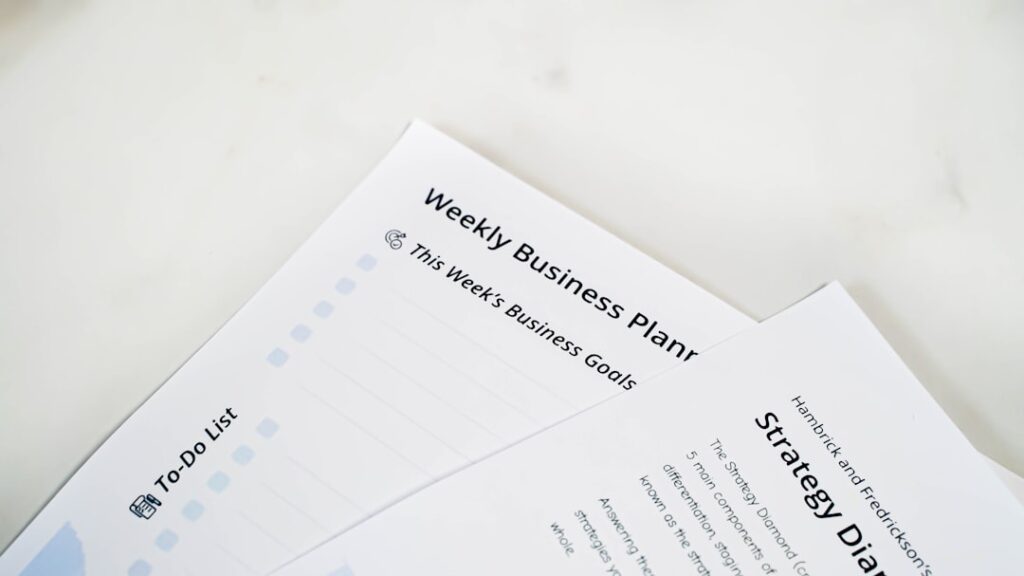
Small business owners should set clear financial goals, including measurable targets for revenue growth, expense reduction, and cash flow management, to drive business growth. Clear financial goals provide a roadmap for cash flow management and can help business owners make informed decisions about investments, pricing, and resource allocation. For example, a business owner may set a goal to increase revenue by 10% within the next 6 months, while also reducing expenses by 5%. By setting clear financial goals, business owners can create a plan for achieving them and track their progress over time.
Setting clear financial goals is a key component of the 5-Metric Cash Flow Management System. This system emphasizes the importance of setting measurable targets and using data to inform cash flow decisions. By setting clear financial goals, business owners can take a proactive approach to cash flow management and reduce the risk of financial difficulties. As Sabir Saleem notes, “Cash flow management is the practice of tracking, forecasting, and controlling when money moves in and out of your business.” By setting clear financial goals, business owners can take a proactive approach to cash flow management and drive business growth.
What is the importance of regularly reviewing and adjusting cash flow management strategies?
Regularly reviewing and adjusting cash flow management strategies can help small business owners stay ahead of potential cash flow problems and make informed decisions. Cash flow management is not a one-time task, but rather an ongoing process that requires regular monitoring and adjustment. By regularly reviewing cash flow performance and adjusting strategies as needed, business owners can identify areas for improvement and take proactive measures to address potential problems. For example, a business owner may review their cash flow performance and realize that they need to reduce expenses or secure additional funding to address a potential cash flow shortfall.
By setting clear financial goals, business owners can take a proactive approach to cash flow management and reduce the risk of financial difficulties.
Regularly reviewing and adjusting cash flow management strategies is a key component of the Rolling Forecast Protocol. This protocol emphasizes the importance of regular forecasting and planning, and encourages business owners to regularly review and adjust their cash flow management strategies. By using this protocol, business owners can stay ahead of potential cash flow problems and make informed decisions about investments, pricing, and resource allocation. As David Chen notes, “Cash flow management is the #1 survival skill for small business owners.” By regularly reviewing and adjusting cash flow management strategies, business owners can take a proactive approach to cash flow management and reduce the risk of financial difficulties.
You may also like
 Career Guidance
4,000 Students Connect with 85 Recruiters at AVASAR 2026
The University of Delhi's AVASAR 2026 placement drive will connect over 4,000 students with more than 85 recruiters, underscoring the increasing demand for skilled graduates…
Read More →How can adopting a proactive approach to cash flow management improve a small business’s chances of success?
Adopting a proactive approach to cash flow management, rather than relying on reactive measures, can significantly improve a small business’s chances of success. Proactive cash flow management involves anticipating and preparing for potential cash flow problems, rather than simply responding to them as they arise. By taking a proactive approach, business owners can reduce the risk of cash flow-related failures and create a more stable and sustainable financial foundation for their business. For example, a business owner may anticipate a potential cash flow shortfall and take proactive measures to address it, such as reducing expenses or securing additional funding.
The Cash Flow Resilience Framework is a framework for building cash flow resilience and taking a proactive approach to cash flow management. This framework emphasizes the importance of maintaining a cash buffer and using it to weather financial storms. By using this framework, business owners can build cash flow resilience and reduce the risk of financial difficulties. As Sabir Saleem notes, “Cash flow management is the practice of tracking, forecasting, and controlling when money moves in and out of your business.” By adopting a proactive approach to cash flow management, business owners can take a proactive approach to cash flow management and reduce the risk of financial difficulties.
How can integrating cash flow management with overall business strategy improve decision-making?
Integrating cash flow management with overall business strategy can help small business owners make more informed decisions about investments, pricing, and resource allocation. Cash flow management is not a separate function from overall business strategy, but rather an integral part of it. By integrating cash flow management with overall business strategy, business owners can create a more comprehensive and sustainable plan for their business. For example, a business owner may use cash flow management to inform decisions about investments, such as whether to invest in new equipment or hire additional staff.
The 5-Metric Cash Flow Management System is a framework for integrating cash flow management with overall business strategy.
The 5-Metric Cash Flow Management System is a framework for integrating cash flow management with overall business strategy. This system emphasizes the importance of using data to inform cash flow decisions and integrating cash flow management with overall business strategy. By using this system, business owners can make more informed decisions about investments, pricing, and resource allocation, and create a more comprehensive and sustainable plan for their business. As David Chen notes, “While your competitors are struggling to make ends meet, you can thrive with the right financial foundations.” By integrating cash flow management with overall business strategy, business owners can take a proactive approach to cash flow management and drive business growth.
In conclusion, cash flow management is a critical component of small business success, and by following these 7 rules, business owners can reduce the risk of cash flow-related failures and create a more stable and sustainable financial foundation for their business. By implementing a 13-week rolling forecast, tracking key metrics, maintaining a cash runway, setting clear financial goals, regularly reviewing and adjusting cash flow management strategies, adopting a proactive approach to cash flow management, and integrating cash flow management with overall business strategy, business owners can take a proactive approach to cash flow management and drive business growth. What will you do today to improve your business’s cash flow management and reduce the risk of financial difficulties?
You may also like
 Career Guidance
Gujarat Boosts Teachers with Career Guidance Training
Gujarat has initiated a comprehensive training program for teachers aimed at enhancing their ability to guide students in making informed career choices, addressing a critical…
Read More →