


Meta’s shift towards artificial intelligence is causing significant unrest among its workforce. As the company pivots to integrate A.I. into its operations, many of its 78,000 employees feel overwhelmed and uncertain about their futures. This shift, reported by various sources including the New York Times, highlights the challenges of adapting to rapid technological changes.
Employees are not only facing increased workloads but also the looming threat of layoffs. The pressure to adopt new A.I. tools has led to a culture of anxiety, where many workers feel they are being pushed out in favor of automated solutions. This situation raises critical questions about the future of work in the tech industry.
Impact of A.I. on Employee Morale
As Meta embraces A.I., employee morale is plummeting. Reports indicate that many workers feel inadequate in their ability to keep up with the new demands placed on them. The push for A.I. integration has resulted in a work environment where employees are constantly under pressure to perform at higher levels. According to the New York Times, this pressure is exacerbated by the company’s aggressive timeline for A.I. implementation, leaving little room for employees to adjust.
The emotional toll this transition takes on employees cannot be understated. Many report feelings of burnout and anxiety, as they navigate the challenges of learning new technologies while fearing for their job security. Such a climate can lead to decreased productivity and increased turnover, which could ultimately harm Meta’s operational efficiency.
Many report feelings of burnout and anxiety, as they navigate the challenges of learning new technologies while fearing for their job security.
Job Security Concerns Amidst A.I. Integration
Job security is a pressing concern for many at Meta. The company’s strategy to automate processes raises fears that numerous positions may become redundant. According to Yahoo Finance, this transition could lead to significant layoffs as Meta seeks to streamline its operations through technology. The report emphasizes that as A.I. tools become more capable, the likelihood of job displacement increases, leaving employees in a state of uncertainty.
Workers are left wondering if their roles will be eliminated in favor of A.I.-driven solutions. This uncertainty creates a challenging atmosphere, where employees may feel compelled to compete against machines rather than collaborate with them. The implications of such a shift could reshape the workforce dynamics at Meta and beyond.
Meta’s Response to Employee Concerns
 Career Guidance
How to Switch Industries Mid-Career Without Starting Over
Bridge roles can reduce risk, while targeted skills and industry-specific applications help you make the case for a new field.
Read More →In response to the unrest, Meta has attempted to reassure its employees about their value within the company. According to Meta’s official blog, the company emphasizes its commitment to supporting its workforce through this transition. However, many employees remain skeptical about these reassurances. The leadership’s messaging has been perceived as insufficient in addressing the deep-rooted fears surrounding job security and the rapid pace of change.
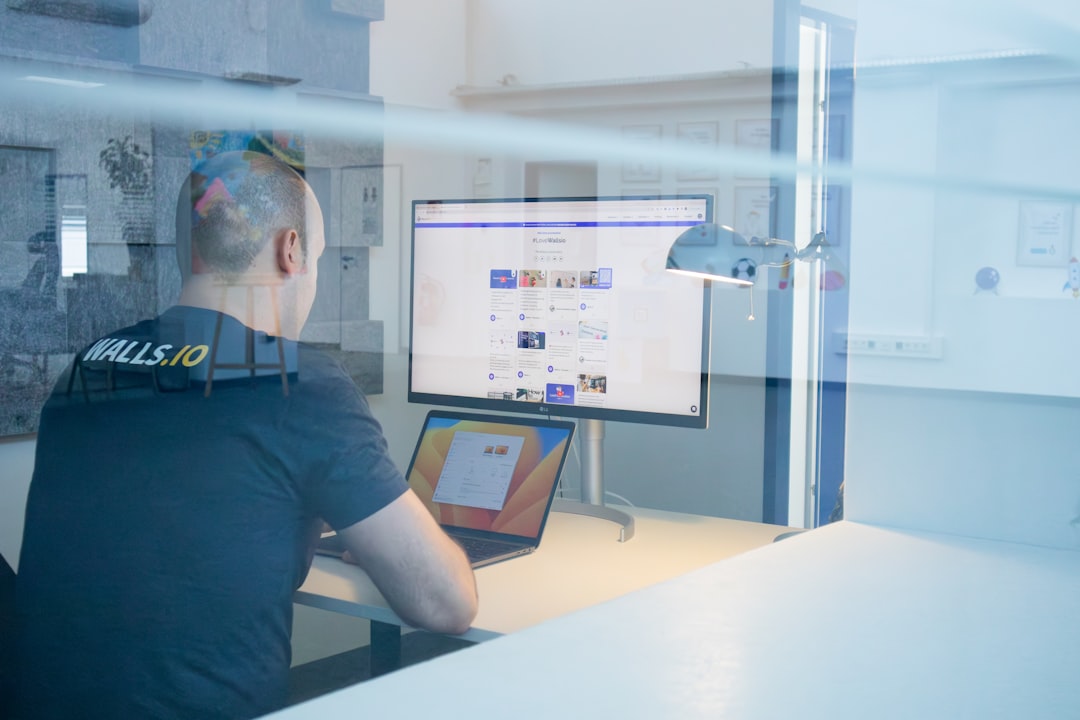
The effectiveness of their communication and support strategies will be crucial in determining how well the workforce adapts to these changes.
Meta’s leadership faces a delicate balancing act. They must drive innovation through A.I. while also maintaining employee morale and trust. The effectiveness of their communication and support strategies will be crucial in determining how well the workforce adapts to these changes. As the New York Times highlights, the company’s future success may hinge on its ability to foster a culture of collaboration between humans and technology.
Wider Implications for the Tech Industry
The challenges Meta faces are not unique; they reflect broader trends in the tech industry. As more companies adopt A.I., similar issues around employee morale and job security are likely to arise. Workers across the sector may find themselves in comparable situations, grappling with the rapid pace of technological change. The shift to A.I. could lead to a reevaluation of workplace cultures, with companies needing to prioritize employee well-being and job security to foster a more resilient workforce.
As the industry evolves, the way companies manage these transitions will be critical to their long-term success. The integration of A.I. not only affects job roles but also challenges the traditional notions of workplace culture, requiring a new approach to employee engagement and support.
Why This Matters to You
Understanding these dynamics can help workers navigate their careers in an increasingly automated world.
 Career Guidance
How to Prepare for a Job Interview with Ethics in Mind
A paper on job interview ethics links preparation and conduct to a candidate’s value. It offers no criteria for take-home tasks.
Read More →The shift towards A.I. at Meta and similar companies impacts not just employees but also the job market as a whole. Understanding these dynamics can help workers navigate their careers in an increasingly automated world. The emotional and psychological effects of these transitions are profound, necessitating a broader conversation about the future of work.
Looking Ahead: The Future of Work
The future of work at Meta and in the tech industry remains uncertain. As A.I. technologies continue to evolve, companies will need to find a way to integrate these tools without sacrificing employee morale. The balance between automation and human labor will be a defining challenge in the coming years.
Will Meta’s strategy succeed in creating a harmonious work environment, or will it exacerbate employee discontent? As the company forges ahead with its A.I. initiatives, the answers to these questions will shape the future landscape of employment in the tech sector.
Written by Career Ahead AI. AI can make mistakes, so verify key facts. Report errors to support@careeraheadonline.com.





