No products in the cart.

7 Strategies for Effective Time Management in High-Pressure Remote Teams

The Trust-Based Productivity Model offers a comprehensive solution for effective time management in remote teams, prioritizing alignment, autonomy, and trust. By implementing the seven components of the framework, teams can enhance collaboration, productivity, and employee well-being.

The standard approach to time management in remote teams often focuses on monitoring productivity and hours worked, but this can be insufficient in high-pressure environments. As remote work continues to become the norm, with a significant portion of the global workforce operating remotely at least part of the time, it’s essential to adopt a more nuanced approach that prioritizes alignment, autonomy, and trust. Career Ahead’s original framework, the Trust-Based Productivity Model, offers a comprehensive solution for effective time management in remote teams. This framework consists of seven key components that work together to enhance collaboration, productivity, and employee well-being.
Establishing Clear Communication Channels
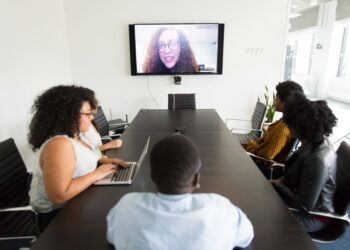
The first component of the Trust-Based Productivity Model is establishing clear communication channels. This involves setting up regular virtual meetings, using project management tools, and encouraging open communication among team members. For example, a team can use video conferencing tools like Zoom or Google Meet to hold daily stand-up meetings, discussing progress, challenges, and goals. By implementing clear communication channels, teams can ensure that everyone is aligned and working towards the same objectives.
Setting Realistic Goals and Expectations

The second component of the Trust-Based Productivity Model is setting realistic goals and expectations. This involves breaking down large tasks into smaller, manageable chunks, and setting achievable deadlines. For instance, a team can use the OKR (Objectives and Key Results) framework to set quarterly goals, with each team member having specific objectives and key results to achieve. By setting realistic goals, teams can prioritize tasks, manage workload, and maintain a healthy work-life balance. As our analysis suggests, effective virtual team management is about creating a culture of trust, open communication, and shared goals.
Implementing Flexible Work Arrangements
The third component of the Trust-Based Productivity Model is implementing flexible work arrangements. This involves providing employees with the autonomy to choose their work schedule, as long as they meet their goals and deadlines. For example, a team can offer flexible hours, remote work options, or compressed workweeks. By implementing flexible work arrangements, teams can prioritize employee well-being, increase job satisfaction, and reduce turnover rates. As our analysis emphasizes, managing remote teams in 2026 isn’t about monitoring productivity—it’s about building alignment, autonomy, and trust across time zones.
Setting Realistic Goals and Expectations 7 Strategies for Effective Time Management in High-Pressure Remote Teams The second component of the Trust-Based Productivity Model is setting realistic goals and expectations.
Using Project Management Tools and Technology
The fourth component of the Trust-Based Productivity Model is using project management tools and technology. This involves leveraging tools like Trello, Asana, or Jira to streamline workflows, track progress, and collaborate on tasks. For instance, a team can use a project management tool to assign tasks, set deadlines, and track progress, ensuring that everyone is on the same page. By using project management tools, teams can enhance collaboration, reduce distractions, and increase productivity.
You may also like
 Career Guidance
7 Strategies to Identify Career Transitions with High Job Satisfaction Using the ‘Pain Point’ Framework
The 'Pain Point' Framework is a strategic tool that helps individuals identify areas of discomfort or frustration in their current career and transition into.
Read More →Building a Strong Company Culture
The fifth component of the Trust-Based Productivity Model is building a strong company culture. This involves fostering a sense of community, shared values, and collective purpose among team members. For example, a team can create a virtual watercooler channel, where team members can share personal updates, interests, and hobbies. By building a strong company culture, teams can increase employee engagement, retention, and job satisfaction.
Implementing a Results-Oriented Work Environment
The sixth component of the Trust-Based Productivity Model is implementing a results-oriented work environment. This involves evaluating employees based on their output, rather than their work hours. For instance, a team can use a results-oriented framework to evaluate employee performance, focusing on key performance indicators (KPIs) and objectives. By implementing a results-oriented work environment, teams can increase productivity, motivation, and job satisfaction.
Establishing Regular Virtual Meetings and Check-Ins
The seventh and final component of the Trust-Based Productivity Model is establishing regular virtual meetings and check-ins. This involves scheduling regular virtual meetings, such as daily stand-ups, weekly team meetings, or monthly progress reviews. For example, a team can use a video conferencing tool to hold weekly team meetings, discussing progress, challenges, and goals. By establishing regular virtual meetings and check-ins, teams can stay connected, address challenges, and align with company objectives.
For instance, a team can use a results-oriented framework to evaluate employee performance, focusing on key performance indicators (KPIs) and objectives.
To apply the full Trust-Based Productivity Model, start by identifying one area where your remote team can improve, such as communication or goal-setting. Then, implement one component of the framework, such as establishing clear communication channels or setting realistic goals. As you progress, continue to build on the framework, incorporating more components and refining your approach. By following the Trust-Based Productivity Model, you can enhance collaboration, productivity, and employee well-being in your remote team, leading to better outcomes and increased success.