No products in the cart.

7 Ways to Maximize Self-Directed Learning Outcomes by Applying the ‘2-Sigma Rule’

Applying the 2-Sigma Rule in self-directed learning can lead to significant improvements in learning outcomes, with individuals potentially performing two standard deviations better than their peers.

Across numerous career conversations and coaching engagements, we have watched individuals struggle to achieve their full potential in traditional learning environments; however, by applying the principles of the ‘2-Sigma Rule’, self-directed learners can unlock significant improvements in their learning outcomes. The ‘2-Sigma Rule’, first introduced by educational researcher Benjamin Bloom in 1984, suggests that students who receive one-on-one tutoring consistently outperform those in traditional classroom settings by an average of two standard deviations. This phenomenon has profound implications for self-directed learners, as it highlights the potential for personalized learning approaches to dramatically improve learning outcomes.
Pattern 1: Limitations of Traditional Classroom Models
We keep seeing that the traditional classroom model, with its one-size-fits-all approach, often neglects individual learning needs and pace; this can lead to a significant gap in learning outcomes between students who receive personalized attention and those who do not.
The tip for high performers is to recognize this limitation and seek out alternative learning approaches that cater to their individual needs, such as self-directed learning with adaptive technology tools.
By doing so, learners can create a more effective and efficient learning plan tailored to their needs, rather than being constrained by the traditional classroom model.
Pattern 2: Power of Personalized Learning Approaches

What we keep seeing is that personalized learning approaches, such as one-on-one tutoring, can be highly effective in improving learning outcomes; however, these approaches are often resource-intensive and inaccessible to many learners.
The tip for high performers is to leverage technology and adaptive learning tools to replicate the benefits of one-on-one tutoring in self-directed learning, making high-quality educational resources available to a wider audience.
For instance, AI-powered tools can provide real-time feedback and assessment, enabling learners to adjust their learning pace and focus on areas where they need improvement.
Pattern 3: Importance of Mastery Learning Techniques
We observe that self-directed learners who incorporate mastery learning techniques into their learning plan tend to achieve better outcomes; these techniques focus on achieving complete understanding of a subject before moving on to the next topic.
The tip for high performers is to prioritize mastery learning techniques, ensuring that they have a deep understanding of each concept before progressing, rather than simply completing a set of lessons or modules.
By doing so, learners can build a strong foundation for future learning and avoid the pitfalls of superficial understanding.
The tip for high performers is to leverage technology and adaptive learning tools to replicate the benefits of one-on-one tutoring in self-directed learning, making high-quality educational resources available to a wider audience.
Pattern 4: Democratization of Elite Tutoring through AI
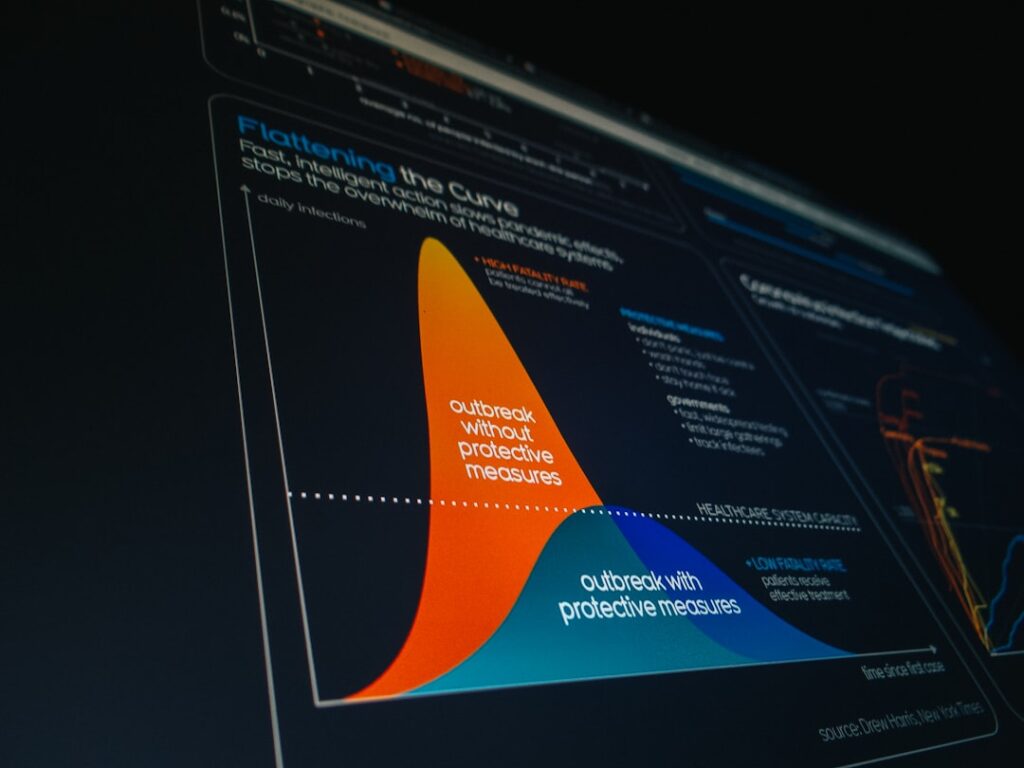
What we keep seeing is that AI-powered tools are democratizing access to high-quality educational resources, making them available to a wider audience; this has the potential to level the playing field and provide equal opportunities for learners from diverse backgrounds.
The tip for high performers is to explore AI-powered tools and platforms that offer personalized learning experiences, such as adaptive assessments and real-time feedback.
By leveraging these tools, learners can gain access to high-quality educational resources that were previously inaccessible, and achieve better learning outcomes as a result.
Pattern 5: Growth Mindset and Recognition of Potential
We observe that self-directed learners who embrace a growth mindset and recognize the potential for significant improvement in learning outcomes tend to be more motivated and resilient; this mindset enables them to persist in the face of challenges and setbacks, and to continuously seek out opportunities for growth and improvement.
The tip for high performers is to cultivate a growth mindset, recognizing that their abilities and intelligence can be developed through dedication and hard work.
By doing so, learners can unlock their full potential and achieve better learning outcomes, rather than being limited by a fixed mindset.
Pattern 6: Addressing the 2-Sigma Problem
What we keep seeing is that self-directed learners who acknowledge and address the 2-Sigma Problem tend to create more effective and efficient learning plans; this involves recognizing the limitations of traditional learning environments and seeking out alternative approaches that cater to their individual needs.
The tip for high performers is to take ownership of their learning, recognizing that they have the power to create a personalized learning plan that meets their unique needs and goals.
By doing so, learners can bridge the gap between their current learning outcomes and their full potential, and achieve significant improvements in their learning outcomes.
Pattern 7: Embracing Adaptive Learning Tools
We observe that self-directed learners who embrace adaptive learning tools and technologies tend to achieve better learning outcomes; these tools enable learners to adjust their learning pace and focus on areas where they need improvement, providing real-time feedback and assessment.
The tip for high performers is to explore adaptive learning tools and platforms, such as AI-powered assessments and personalized learning pathways.
By leveraging these tools, learners can create a more effective and efficient learning plan, tailored to their individual needs and goals, and achieve significant improvements in their learning outcomes.
By leveraging these tools, learners can create a more effective and efficient learning plan, tailored to their individual needs and goals, and achieve significant improvements in their learning outcomes.
In conclusion, the gap between professionals who act on the insights from the ‘2-Sigma Rule’ and those who do not can be characterized as the “Sigma Gap”; this refers to the difference in learning outcomes between individuals who recognize the potential for personalized learning approaches to improve their learning outcomes, and those who do not. By acknowledging and addressing the 2-Sigma Problem, self-directed learners can create a more effective and efficient learning plan tailored to their needs, and achieve significant improvements in their learning outcomes. As Benjamin Bloom noted, “the average tutored student was above 98% of the students in the control class”; this highlights the profound implications of the ‘2-Sigma Rule’ for self-directed learners, and the potential for personalized learning approaches to unlock significant improvements in learning outcomes.
Written by Career Ahead AI. AI can make mistakes, so verify key facts. Report errors to support@careeraheadonline.com.