No products in the cart.

7 Ways to Translate Your Skills for Maximum Impact on Your Resume
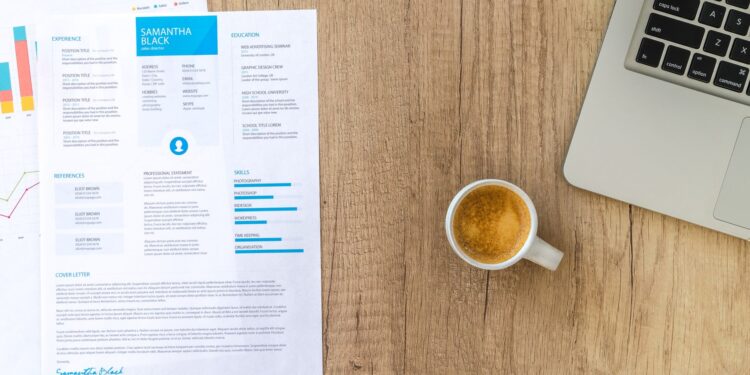
With a significant majority of employers using skills-based hiring, the focus is now on what a candidate can actually do,

The job market is shifting towards skills-based hiring, making it crucial for professionals to highlight their transferable skills in their resumes. With a significant majority of employers using skills-based hiring, the focus is now on what a candidate can actually do, rather than their education or work history. This change in hiring approach requires job seekers to rethink their resume strategy and showcase a mix of technical ability, people skills, and modern tool fluency.
How do I identify the most important skills to include on my resume?
Identifying the most important skills to include on a resume requires a systematic approach. Start by analyzing job descriptions and identifying core expectations. Then, translate these expectations into results-focused statements that demonstrate a candidate’s ability to contribute quickly to an organization. For example, instead of listing “team management” as a skill, a candidate could say “managed a team of 10 people, resulting in a 25% increase in productivity.” This approach helps to showcase a candidate’s skills and experiences in a way that feels relevant and impactful.
What is the best way to balance hard skills, soft skills, and AI skills on my resume?
A well-crafted resume should balance hard skills, soft skills, and AI skills to demonstrate a candidate’s ability to contribute quickly to an organization. Hard skills, such as programming languages or data analysis, are essential for technical roles, while soft skills, such as communication or leadership, are vital for team-based positions. AI skills, such as machine learning or natural language processing, are becoming increasingly important in many industries. To balance these skills, consider using a skills-based resume template that allows candidates to showcase their technical ability, people skills, and modern tool fluency in a clear and concise manner.
How can I use transferable skills to advance my career or pivot to a new industry?
Transferable skills, such as leadership, communication, and creativity, are essential for career advancement and industry pivots. These skills are valuable across multiple industries and can be applied to a variety of roles. To use transferable skills to advance a career or pivot to a new industry, consider highlighting them prominently on a resume and in cover letters. For example, a candidate who is pivoting from a marketing role to a sales role could highlight their communication and leadership skills, as these are valuable in both industries.
Transferable skills, such as leadership, communication, and creativity, are essential for career advancement and industry pivots.
What is the most effective way to translate job descriptions into results-focused statements on my resume?
Resume writers use a systematic approach to translate job descriptions into results-focused statements, improving a candidate’s visibility. This approach involves identifying core expectations from the job description and translating them into statements that demonstrate a candidate’s ability to contribute quickly to an organization. For example, instead of listing “responsible for managing a budget” as a job description, a candidate could say “managed a budget of $1 million, resulting in a 10% reduction in costs.” This approach helps to showcase a candidate’s skills and experiences in a way that feels relevant and impactful.
Can AI tools help optimize my resume and increase its impact?
Using AI tools to optimize a resume can significantly enhance its impact and help it pass through ATS scanners. AI tools can help candidates to identify the most important keywords and phrases to include on their resume, as well as suggest improvements to formatting and content. For example, AI tools can help candidates to identify the most relevant skills to include on their resume, based on the job description and industry. This can help to increase the chances of getting noticed by employers and recruiters.
How can I use a skills-based resume template to organize and showcase my skills and experiences?
A skills-based resume template can be an effective way to organize and showcase a candidate’s skills and experiences. This type of template allows candidates to categorize their skills into hard skills, soft skills, and AI skills, making it easier to showcase a balanced set of abilities. For example, a candidate could use a template that includes sections for technical skills, language skills, and leadership skills, making it easy to highlight their strengths and experiences.
What is the key to a successful resume in today’s job market?
The key to a successful resume is to showcase a mix of technical ability, people skills, and modern tool fluency. With a significant majority of recruiters using applicant tracking systems, it’s essential to include relevant keywords and phrases on a resume to increase the chances of getting noticed. Consider using a framework like the Resume Optimization Framework to help identify and organize skills, and don’t forget to include relevant skills on a resume to demonstrate a candidate’s ability to contribute quickly to an organization. As the data shows, employers are now asking “What can you actually do?” and a well-crafted resume should provide a clear and concise answer.
The key to a successful resume is to showcase a mix of technical ability, people skills, and modern tool fluency.
In conclusion, translating skills for maximum impact on a resume requires a strategic approach. By identifying the most important skills, balancing hard and soft skills, and using transferable skills to advance a career or pivot to a new industry, candidates can increase their chances of getting noticed by employers and recruiters. As we move forward in this skills-based hiring landscape, the question remains: what skills will you highlight on your resume to showcase your value and abilities to potential employers?
Written by Career Ahead AI. AI can make mistakes, so verify key facts. Report errors to support@careeraheadonline.com.