No products in the cart.

Airports Replace TSA Agents with Private Security

Three airports in the United States are transitioning from TSA agents to private security personnel, raising concerns about public safety and job security for TSA employees.

Three airports in the United States will switch from TSA agents to private security personnel. This change was confirmed on July 22, 2026, by an agency spokesperson. The airports are adopting a new security model that may change airport security and its regulations.
This decision comes amid ongoing debates about TSA operations’ effectiveness and efficiency. As more airports consider privatization, concerns about public safety and TSA employees’ job security are growing. Union officials worry that this shift could threaten passenger safety and overall airport security. NPR reports that privatizing airport security is a contentious issue. Some airports have successfully implemented private security, while others are skeptical about the risks.
Implications for Airport Security Personnel
The shift to private security will likely change job roles for airport security personnel. Privatization may alter hiring practices and training protocols significantly. Private firms might focus on cost efficiency rather than thorough training. This could lead to a workforce that is less prepared for the complex challenges of airport security. Federal News Network points out that privatization might create a workforce lacking the expertise and experience TSA agents usually have, raising concerns about security adequacy.
Career Ahead’s analysis shows that job competition among security personnel will increase as private companies aim to cut costs. This could lead to lower wages and fewer benefits for security workers. Additionally, relying on private firms may create a fragmented security environment across airports. Each firm might have different standards and protocols, leading to inconsistencies in security measures. This inconsistency could make it harder to maintain high safety standards in aviation.
Job displacement is a critical concern that workers must navigate as these changes happen.
As the industry changes, airport security personnel must adapt. They may need to pursue additional training or certifications to stay competitive in a market influenced by private firms. Job displacement is a critical concern that workers must navigate as these changes happen. The transition could also result in a loss of institutional knowledge that TSA agents have gained over the years, which is vital for effective security operations.
Regulatory Changes for Aviation Industry Regulators
The shift to private security raises important questions about regulatory oversight. Aviation industry regulators will need to adjust their frameworks to fit the new private security landscape. This change may weaken federal oversight, raising concerns about security measures at privatized airports. Career Ahead research indicates that as airports move to private security, regulators may struggle to ensure compliance with federal safety standards. The TSA has set strict guidelines for security operations, and privatization could complicate enforcement. Regulators must develop new strategies to monitor and evaluate private security firms’ effectiveness.
Moreover, the regulatory framework may need to change to address the unique challenges of private security. Regulators might need to implement new reporting requirements and performance metrics to ensure that private firms uphold high safety standards. This could increase administrative burdens for both regulators and private security companies. Ainvest notes that privatization could create a competitive environment where firms prioritize profit over safety, potentially compromising security quality at airports.
As the industry adapts, aviation regulators must consider public trust in airport security. A perceived decline in safety due to privatization could undermine confidence in the aviation system. Ensuring transparency and accountability in private security operations will be crucial for maintaining public trust. The challenge will be to ensure that the transition does not lower the safety standards passengers expect from airport security.
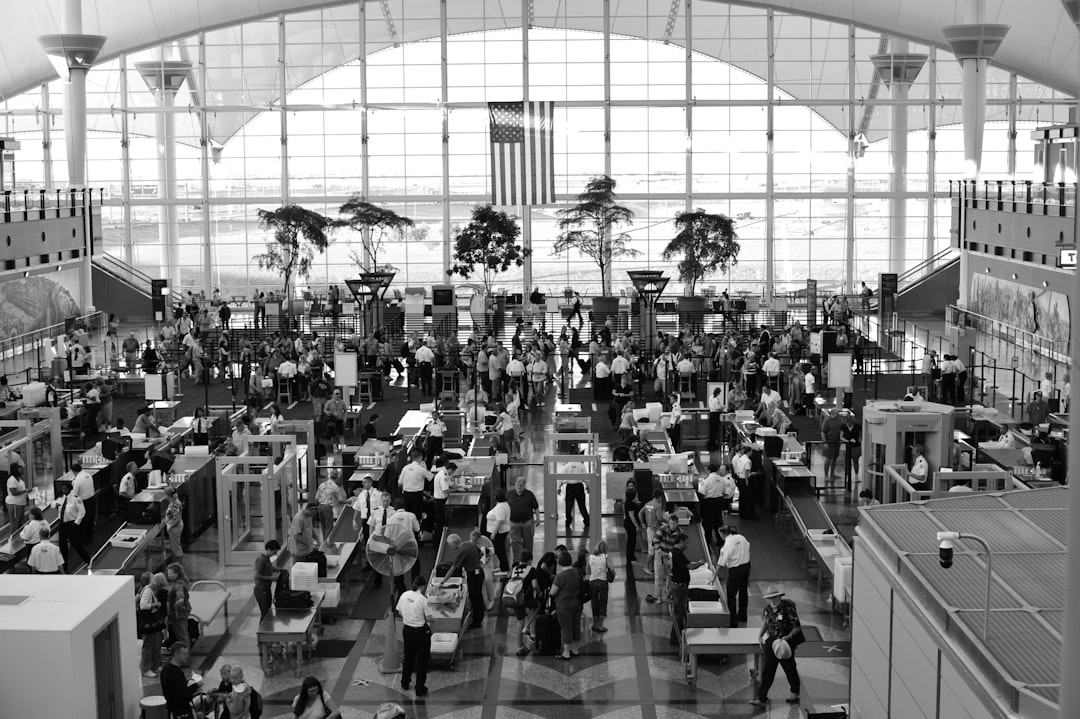
Looking ahead, the aviation industry must address the implications of privatization. Will moving to private security enhance efficiency or compromise safety? The answers to these questions will shape the future of airport security and the roles of those working in it. The interconnected nature of aviation means that security failures at one airport could affect others, making it essential for all stakeholders to collaborate to uphold safety standards.
The answers to these questions will shape the future of airport security and the roles of those working in it.
Frequently Asked Questions
What are the implications of privatizing airport security for airport security personnel?
The shift to privatized airport security may increase job competition and lower wages for security personnel. Career Ahead’s analysis suggests that workers may need additional training to stay competitive in a changing job market.
How will this change affect aviation industry regulators’ responsibilities?
Aviation regulators will need to adjust their oversight frameworks for private security operations. This may lead to challenges in ensuring compliance with federal safety standards and maintaining public trust in airport security.
What should airport security personnel do to prepare for potential job changes?
As the industry shifts toward privatization, airport security personnel should seek additional training or certifications to improve their employability. Staying informed about industry trends will also be crucial for navigating potential job changes.
Related Articles
Written by Career Ahead AI. AI can make mistakes, so verify key facts. Report errors to support@careeraheadonline.com.