No products in the cart.

75,000 Students Face Cheating Allegations in Entrance Exam
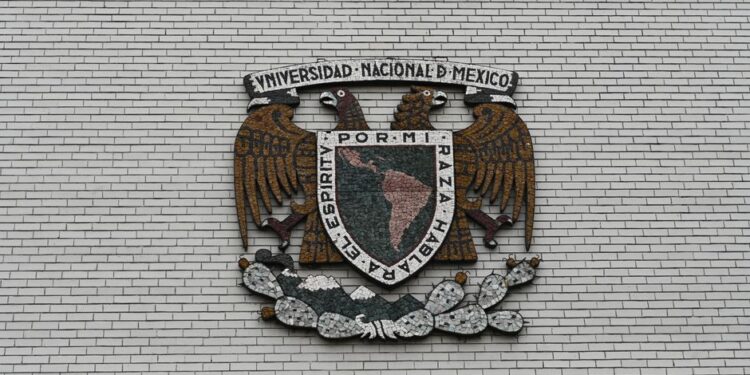
A scandal involving up to 75,000 students accused of cheating on entrance exams has prompted Mexico's largest public university to implement new testing requirements aimed at restoring academic integrity, with significant implications for students and educational policy.

Mexico’s largest public university has announced new testing requirements for college applicants. This follows a scandal where up to 75,000 students may have cheated on the entrance exam. Experts found that half of the applicants might have used dishonest practices, including artificial intelligence (AI) tools, to gain an unfair advantage.
The Universidad Nacional Autónoma de México (UNAM) now requires all students who passed the exam to take a new test. This test will verify their academic integrity. The goal is to restore trust in the admissions process and ensure students are genuinely qualified for their studies.
Understanding the Cheating Scandal
The controversy began when reports revealed that many students used advanced technology to cheat during the entrance exam. According to Career Ahead’s analysis of data from the University at Buffalo, students often cheat due to pressure to succeed and fear of failure. This highlights a larger issue in education, where high stakes can lead to unethical behavior. As noted by Minding the Campus, the competitive nature of college admissions can push students to use dishonest methods to secure their futures.
Experts are concerned about the implications of such widespread cheating. The use of AI tools in academic dishonesty shows how technology can be both a resource and a threat to integrity. The scandal has damaged the university’s reputation and raised questions about current testing methods. Additionally, it has sparked a national conversation about the ethical responsibilities of educational institutions in promoting integrity.
Career Ahead research suggests that this incident may lead to stricter policies across various educational institutions in Mexico.
You may also like
 Education & University Insights
NYC Leaders Demand School Integration Amid Segregation Issues
New York City leaders are advocating for school integration to address severe segregation issues affecting educational outcomes for marginalized students. This initiative aims to create…
Read More →In light of these events, UNAM’s decision to implement new testing requirements is crucial for reinstating academic integrity. The university’s actions show a commitment to uphold standards and ensure fair assessments. This situation also highlights the need for educational institutions to adapt to the changing technological landscape. As the U.S. News & World Report points out, cheating affects not just individual students but also the credibility of academic programs and the value of degrees.
Career Ahead research suggests that this incident may lead to stricter policies across various educational institutions in Mexico. As universities deal with the fallout, there may be a push for enhanced security during exams. This could include advanced monitoring systems and AI-driven tools to detect cheating. Such measures may involve biometric verification and real-time surveillance to maintain the integrity of the examination process.
Implications for College Applicants and Educational Policy
The new testing requirements will significantly impact college applicants in Mexico. Students who relied on dishonest methods may now face a more rigorous and transparent admissions process. This could change how students prepare for exams, focusing on genuine understanding instead of shortcuts. The emphasis on academic integrity may also help students develop better study habits and critical thinking skills, which are essential for success in higher education.
Furthermore, these changes may reshape the higher education landscape in Mexico. As institutions adopt stricter measures, students may need to invest more time and resources into their studies. This could create a more competitive environment where academic performance is closely monitored. Increased competition may also drive innovation in teaching methods, as educators seek to engage students and foster a deeper understanding of the material.

Additionally, educational policymakers may need to reassess college admissions structures. The scandal has revealed weaknesses in the current system, prompting discussions on how to better prepare students for success without compromising integrity. This may lead to calls for comprehensive reforms that address the root causes of academic dishonesty. Technology could play a key role in these reforms, as institutions explore ways to enhance learning while maintaining ethical standards.
Career Ahead’s analysis indicates that this situation may also promote the constructive use of technology in education. Rather than being a tool for cheating, AI could create personalized learning experiences and improve student outcomes. Educational institutions might explore innovative solutions that leverage technology to enhance learning while upholding ethical standards. This could include adaptive learning platforms that tailor content to individual student needs, promoting a more equitable learning environment.
You may also like
 Education & University Insights
Mumbai University Students Struggle with OJT, Credit Transfers
Mumbai University students voice concerns over NEP 2020 implementation, highlighting challenges with on-the-job training, credit transfers, and exam pressures that threaten educational equity and employability.
Read More →This could include adaptive learning platforms that tailor content to individual student needs, promoting a more equitable learning environment.
The fallout from the cheating scandal marks a pivotal moment for college admissions in Mexico. As UNAM implements its new testing requirements, other universities may follow. This could lead to a nationwide reevaluation of admissions policies and usher in a new era of accountability and transparency in higher education.
Moreover, the scandal raises questions about the long-term effects on student attitudes toward education. If students see the admissions process as fair, they may engage more authentically with their studies. Conversely, if they feel the system is flawed, it could perpetuate distrust and dishonesty.
As educational institutions navigate these changes, monitoring the effectiveness of new policies will be essential. The integration of technology in admissions could lead to further innovations, creating opportunities for more equitable assessments. Ultimately, the path forward will depend on the collective response from students, educators, and policymakers. The challenge is to create an environment where academic integrity is prioritized, and students succeed based on their merits. The developments in Mexico’s college admissions system may serve as a model for other countries facing similar issues.
- Increased Scrutiny of Admissions Processes: The scandal has led to heightened scrutiny of admissions processes across universities in Mexico. Institutions may need to implement more rigorous verification methods to ensure candidates meet academic standards.
- Development of New Testing Protocols: UNAM’s introduction of new testing protocols serves as a model for other universities. These protocols will focus on verifying the authenticity of student work and ensuring that assessments are fair.
- Impact on Student Preparation: Students will need to adapt their study habits to align with the new emphasis on integrity. This may lead to a shift from rote memorization to deeper understanding of material.
- Long-term Effects on Academic Culture: The scandal may instigate a cultural shift within academic institutions, promoting a stronger emphasis on ethics and integrity among students and faculty alike.
- Potential for Increased Competition: As universities adopt stricter admissions criteria, competition among applicants may intensify. This could motivate students to enhance their academic performance.
- Reassessment of Educational Standards: The scandal may prompt educational authorities to reassess the standards and expectations placed on students during the admissions process.
- Focus on Ethical Use of Technology: Institutions may begin to emphasize the ethical use of technology in education, teaching students how to leverage tools responsibly.
- Enhanced Monitoring Systems: The introduction of advanced monitoring systems during exams could deter potential cheating and ensure a fair testing environment.
- Increased Awareness of Academic Integrity: The scandal has raised awareness about the importance of academic integrity among students, faculty, and administrators.
- Potential for Policy Reforms: The fallout from the scandal may lead to calls for comprehensive policy reforms aimed at preventing academic dishonesty in the future.
- Shift in Educational Priorities: Educational institutions may prioritize integrity and ethics in their curricula, fostering a culture of honesty among students.
- Impact on Student Mental Health: The pressure to succeed may lead to increased stress and anxiety among students, necessitating support systems to help them cope.
- Increased Collaboration Among Institutions: Universities may collaborate to share best practices for maintaining academic integrity and preventing cheating.
- Potential for Legislative Changes: The scandal could prompt lawmakers to consider legislation that addresses academic dishonesty in higher education.
- Focus on Holistic Admissions Processes: Institutions may explore holistic admissions processes that consider a wider range of student achievements beyond test scores.
- Increased Use of AI in Education: While AI has been misused, its potential for enhancing education through personalized learning experiences remains significant.
- Need for Continuous Evaluation: Educational institutions will need to continuously evaluate the effectiveness of new policies and practices to ensure they meet their goals.
- Development of Integrity Training Programs: Universities may implement training programs focused on academic integrity for both students and faculty.
- Impact on Future Employment Opportunities: Students who engage in dishonest practices may face long-term consequences in their careers, as employers value integrity.
- Potential for International Implications: The scandal may have implications beyond Mexico, influencing how academic integrity is viewed globally.
- Shift in Student Attitudes: Students’ perceptions of the fairness of the admissions process may influence their engagement and commitment to their studies.
- Increased Demand for Transparency: Students and parents may demand greater transparency in the admissions process, prompting institutions to adapt.
- Focus on Building Trust: Restoring trust in the admissions process will be crucial for universities moving forward.
- Potential for Increased Funding for Integrity Initiatives: The scandal may lead to increased funding for initiatives aimed at promoting academic integrity.
- Need for Comprehensive Support Systems: Institutions may need to develop comprehensive support systems to help students navigate the pressures of academic life.
- Impact on Faculty Training: Faculty may require training on how to identify and address academic dishonesty effectively.
- Potential for Enhanced Student Engagement: A focus on integrity may lead to increased student engagement in their learning processes.
- Need for Clear Communication: Universities must communicate clearly about new policies and expectations to avoid confusion among applicants.
- Potential for Increased Research on Academic Integrity: The scandal may spur research into effective strategies for promoting integrity in education.
- Impact on Extracurricular Activities: Students may need to balance their academic responsibilities with extracurricular activities, affecting their overall college experience.
- Potential for New Partnerships: Universities may seek partnerships with technology companies to develop tools that promote academic integrity.
- Focus on Lifelong Learning: The emphasis on integrity may encourage students to adopt a mindset of lifelong learning and personal growth.
- Impact on Peer Relationships: The scandal may affect peer relationships among students, as trust becomes a critical factor in academic collaborations.
- Need for Ethical Leadership: Educational leaders will need to model ethical behavior and promote a culture of integrity within their institutions.
- Potential for Increased Community Engagement: Universities may engage with their communities to promote awareness of academic integrity beyond campus.
- Impact on Alumni Relations: The scandal may affect how alumni perceive their alma maters and their willingness to support them.
- Potential for Global Collaboration: Institutions worldwide may collaborate to address academic integrity challenges, sharing best practices and solutions.
- Focus on Student Empowerment: Empowering students to take ownership of their learning and integrity may lead to positive outcomes.
- Need for Data-Driven Approaches: Universities may adopt data-driven approaches to assess the effectiveness of their integrity initiatives.
- Impact on Institutional Reputation: The scandal may have long-lasting effects on the reputation of institutions involved, influencing future enrollment.
- Potential for Increased Parental Involvement: Parents may become more involved in their children’s education, advocating for integrity and ethical practices.
- Focus on Building Resilience: Educational institutions may need to focus on building resilience among students to cope with academic pressures.
- Need for Comprehensive Evaluation Metrics: Universities may develop comprehensive metrics to evaluate the success of their integrity initiatives.
- Impact on Career Services: Career services may need to adapt to address the changing landscape of academic integrity and its implications for employment.
- Potential for Increased Student Advocacy: Students may advocate for their rights and the importance of integrity within their educational institutions.
- Focus on Collaborative Learning: Encouraging collaborative learning may help foster a culture of integrity among students.
- Need for Continuous Professional Development: Faculty and staff may require ongoing professional development to stay informed about best practices in academic integrity.
- Potential for Enhanced Institutional Accountability: Institutions may need to hold themselves accountable for maintaining academic integrity and transparency.
- Focus on Ethical Decision-Making: Teaching students ethical decision-making skills may empower them to navigate challenges in their academic and professional lives.
- Impact on Global Educational Standards: The scandal may influence global discussions on educational standards and integrity in academia.
- Potential for Increased Research Funding: The focus on integrity may lead to increased funding for research initiatives aimed at understanding and preventing academic dishonesty.
- Focus on Building a Culture of Integrity: Institutions may need to prioritize building a culture of integrity that permeates all aspects of academic life.
- Need for Clear Guidelines: Providing clear guidelines for students on academic integrity may help prevent future incidents of dishonesty.
- Impact on Institutional Policies: The scandal may prompt universities to reevaluate their policies regarding academic integrity and cheating.
- Potential for Increased Collaboration with Educators: Universities may collaborate with educators to develop curricula that promote integrity and ethical behavior.
- Focus on Developing Critical Thinking Skills: Emphasizing critical thinking skills may help students engage more deeply with their studies and reduce the temptation to cheat.
- Need for Comprehensive Communication Strategies: Institutions may need to develop comprehensive communication strategies to inform stakeholders about changes in policies and practices.
- Impact on Student Recruitment: The scandal may affect how universities approach student recruitment and the messaging they use to attract applicants.
- Potential for Increased Focus on Ethics in Curriculum: Educational institutions may need to integrate ethics into their curricula to prepare students for future challenges.
- Focus on Building Trust with Stakeholders: Universities will need to work on building trust with students, parents, and the community to restore confidence in their admissions processes.
- Need for Comprehensive Assessment Tools: Developing comprehensive assessment tools may help institutions evaluate student learning while promoting integrity.
- Impact on Institutional Leadership: The scandal may lead to changes in institutional leadership as universities seek to restore their reputations.
- Potential for Increased Focus on Diversity and Inclusion: The emphasis on integrity may also lead to increased focus on diversity and inclusion within educational institutions.