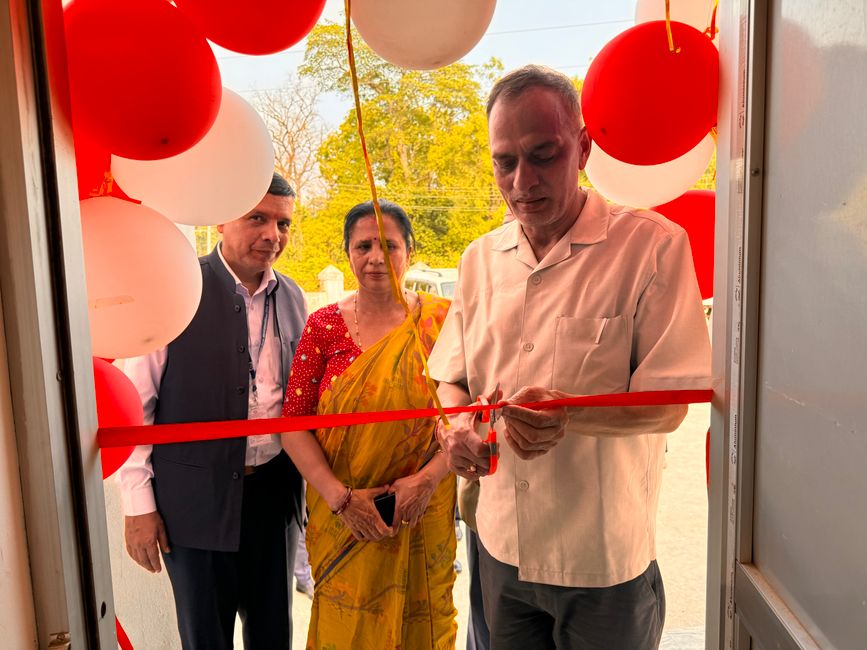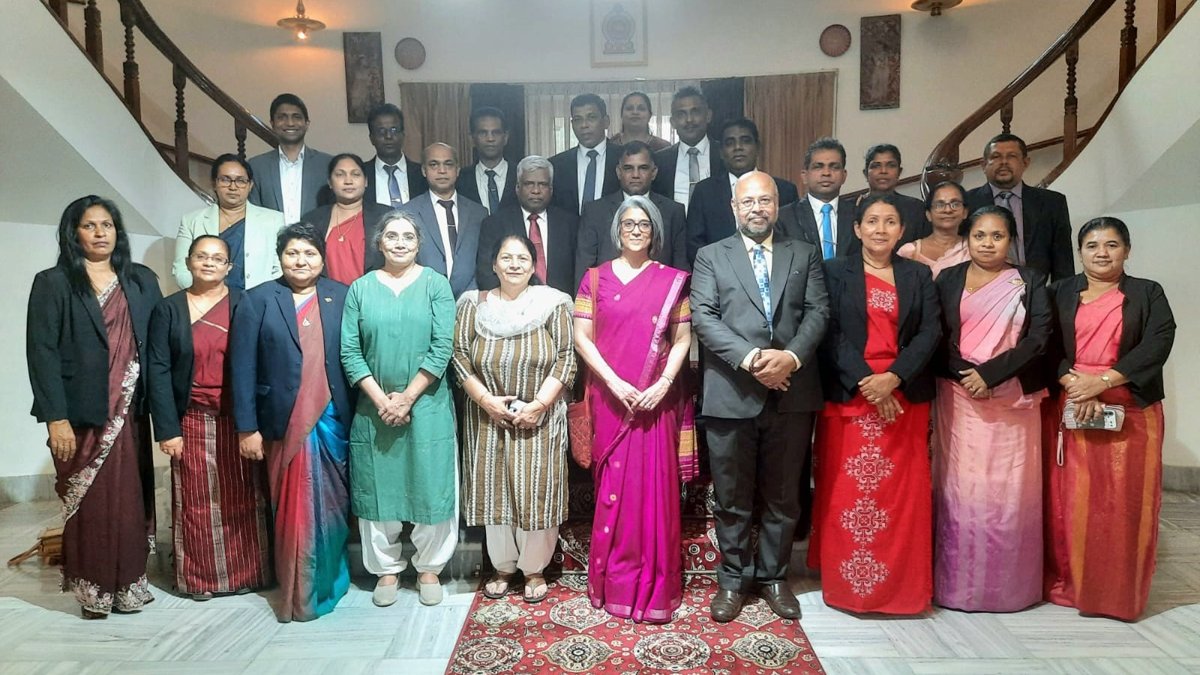
India — Rajasthan Governor Haribhau Bagde has proposed periodic evaluations of teachers every five years to enhance the quality of education in the state. This initiative was announced during the inauguration of a national workshop focused on empowering women through education, held at the State Institute of Agriculture Management. The governor assured that these evaluations would not affect teachers’ job security or pension benefits.
This proposal comes at a critical time when educational standards are under scrutiny. The governor emphasized that the quality of education is not solely measured by economic metrics but also by intellectual growth and a commitment to lifelong learning. By introducing regular evaluations, the state aims to ensure that teachers are equipped with the necessary knowledge and skills to impart quality education. According to the Economic Times, Bagde stated that the initiative is essential for fostering a culture of excellence among educators, which is vital for the overall development of students.
Enhancing Teacher Performance and Accountability
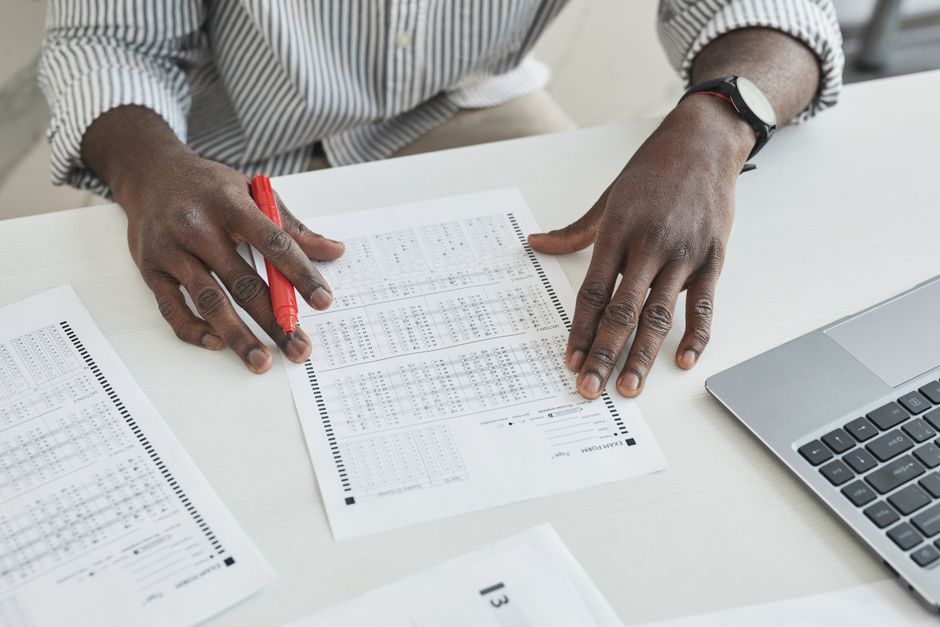
Periodic evaluations are expected to significantly enhance teacher performance and accountability across Rajasthan. Governor Bagde pointed out that these assessments will provide a clear picture of the educational quality being delivered in classrooms. By evaluating teachers every five years, the state can identify areas for improvement and ensure that educators are continuously updating their knowledge and teaching methods. This systematic approach to evaluation is not just about accountability; it also serves as a mechanism for professional growth, allowing teachers to reflect on their practices and adapt to new educational paradigms.
Furthermore, this initiative aligns with the growing emphasis on accountability within the education sector. As noted by various educational experts, accountability measures are essential for fostering a culture of excellence among educators. The governor’s proposal reflects a broader trend in education reform, where regular assessments are seen as a pathway to improved student outcomes. In a statement to ABP Live, Bagde reiterated that the evaluations would not only enhance teaching standards but also ensure that students receive a quality education that prepares them for future challenges.
This systematic approach to evaluation is not just about accountability; it also serves as a mechanism for professional growth, allowing teachers to reflect on their practices and adapt to new educational paradigms.
While some teacher organizations have expressed concerns about the potential implications of these evaluations, the governor has reassured them that their job security will remain intact. This assurance is crucial in alleviating fears and fostering a more collaborative approach to the evaluation process. Moreover, the governor’s commitment to maintaining job security is expected to encourage teachers to embrace the evaluation process positively, viewing it as an opportunity for growth rather than a punitive measure.
Integrating Traditional Values into Modern Education
The push for periodic teacher evaluations also resonates with traditional Indian knowledge systems, particularly the values espoused in Vedic education. Governor Bagde emphasized the importance of cultivating a habit of continuous study and inquiry among students and educators alike. This perspective aligns well with the core principles of Vedic education, which prioritize intellectual curiosity and lifelong learning. By integrating these traditional values into modern educational practices, Rajasthan is taking a significant step towards creating a holistic learning environment.
Moreover, the initiative has the potential to inspire other states in India to adopt similar measures. As education continues to evolve, the integration of traditional values into modern practices could lead to a more balanced and effective educational system across the country. The governor’s call for evaluations can be seen as an effort to blend contemporary educational standards with time-honored philosophies, thereby enriching the educational landscape in the state. This approach not only honors the rich heritage of Indian education but also addresses the contemporary challenges faced by educators and students alike.
Potential for Educational Reform in Rajasthan
Career Ahead’s analysis finds that implementing such evaluations could lead to a more motivated teaching workforce. When teachers know they will be assessed, they may be more inclined to engage in professional development and adopt innovative teaching methods. This shift could ultimately benefit students, as more skilled and knowledgeable teachers contribute to a richer educational experience. The emphasis on continuous improvement aligns with the principles of lifelong learning, which are increasingly recognized as essential in today’s rapidly changing educational landscape.
As the educational landscape in India continues to change, the emphasis on periodic evaluations reflects a growing recognition of the need for quality and accountability in teaching. This initiative could serve as a model for other states looking to improve their educational systems. The governor’s vision for a more accountable education system is not just about meeting current demands but also about preparing future generations for success in an increasingly competitive world.
Potential for Educational Reform in Rajasthan Career Ahead’s analysis finds that implementing such evaluations could lead to a more motivated teaching workforce.

Frequently Asked Questions
What are the benefits of periodic evaluations for teachers in Rajasthan?
Periodic evaluations can enhance teacher performance and accountability, ensuring that educators are equipped with the latest knowledge and teaching methods. This initiative aims to improve the overall quality of education in Rajasthan.
How can education policymakers implement effective teacher evaluation systems?
Effective teacher evaluation systems should include clear criteria for assessment, regular feedback, and professional development opportunities. Policymakers must ensure that evaluations are fair and supportive to foster a positive environment for teachers.
What should school administrators do to prepare for new teacher evaluation policies?
School administrators should develop training programs for teachers, outlining the new evaluation processes and criteria. Clear communication and support will be essential in helping educators adapt to these changes.
Written by Career Ahead AI. AI can make mistakes, so verify key facts. Report errors to support@careeraheadonline.com.