India has a staggering 8.7 crore youth aged 15 to 29 who are neither in education, employment, nor training, according to a recent report by NITI Aayog. This alarming statistic highlights the urgent need for tailored skilling programs that can effectively address the barriers faced by these individuals.
The report, titled ‘Reimagining Skilling for Viksit Bharat@2047’, emphasizes the importance of creating subsidized and flexible training pathways. These programs must align with local industry demands and emerging sectors to maximize their effectiveness. The NITI Aayog’s findings are based on comprehensive data from the 78th round of the National Sample Survey conducted in 2021, which underscores the scale of the problem.
Understanding the NEET Youth Crisis
The term NEET refers to youth who are Not in Education, Employment, or Training. The NITI Aayog report indicates that these individuals often face financial constraints that hinder their ability to pursue further education or vocational training. Many come from low-income households and are already burdened by the costs of traditional education, making it difficult to invest in additional training. Furthermore, the lack of awareness about available educational resources and skilling programs exacerbates the situation, leaving many youth feeling isolated and without options.
According to the report, only 8.25% of graduates are employed in roles that match their qualifications. This mismatch between education and employment opportunities exacerbates the NEET crisis, as many graduates find themselves unprepared for the job market. The lack of practical learning and industry-aligned training further limits their employability, leaving them vulnerable to economic instability. As highlighted by the Economic Times, this alarming statistic reflects a broader systemic issue within India’s education framework, which often fails to equip students with the skills necessary for the evolving job landscape.
As highlighted by the Economic Times, this alarming statistic reflects a broader systemic issue within India’s education framework, which often fails to equip students with the skills necessary for the evolving job landscape.
 Education & University Insights
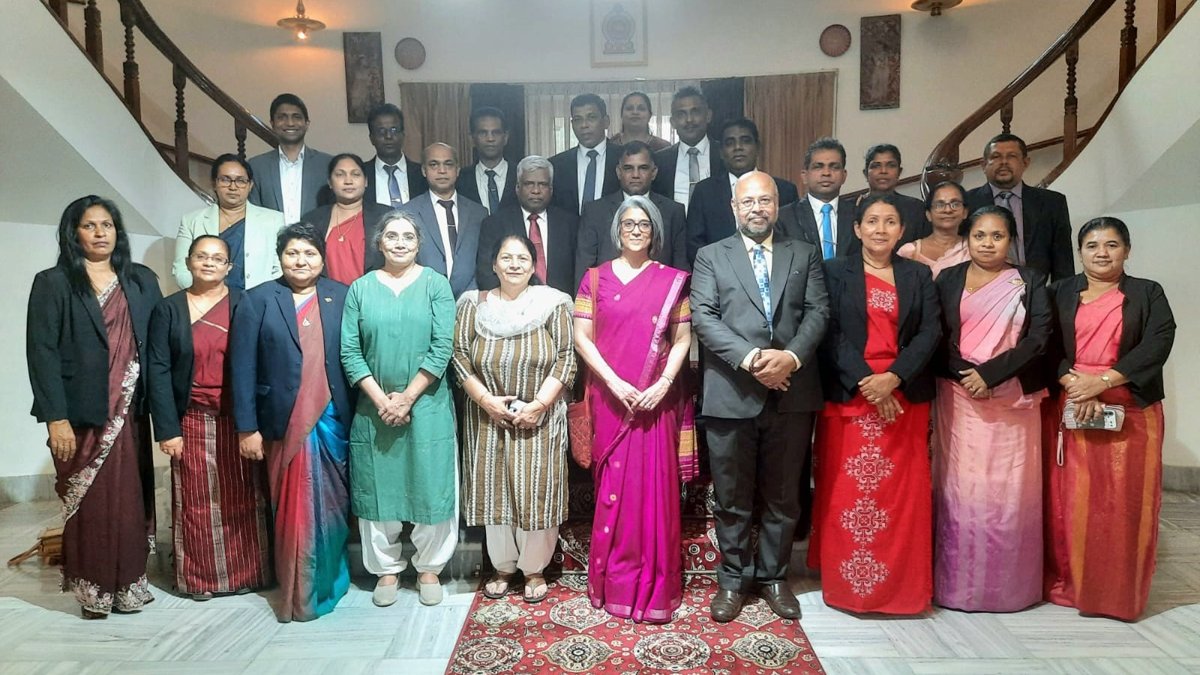
Sri Lanka High Commission Builds Education and Youth Bridges with India
Twenty Sri Lankan education administrators trained at NIEPA in New Delhi, while young leaders from six South Asian nations met at the Sri Lanka High…
Read More →Moreover, the report notes that NEET youth and women require affordable training options alongside financial support. The ability to combine learning with earning is crucial for this demographic, as many are forced to seek immediate income sources rather than pursuing long-term career goals. The NITI Aayog’s recommendations include not only subsidized training but also the establishment of mentorship programs that can guide youth through the complexities of career choices and skill development.
Career Ahead’s analysis finds that the NEET youth demographic is not just a statistic; it represents a significant portion of India’s potential workforce. Addressing this issue is essential for the country’s economic growth and social stability. If left unaddressed, the NEET crisis could lead to increased social unrest and economic disparity, further complicating India’s development trajectory.
Skilling Programs: Bridging the Gap
- Targeted Skilling Initiatives: To effectively address the needs of NEET youth, the implementation of targeted skilling programs is crucial. These programs should focus on developing skills that are in high demand in emerging sectors, such as technology, healthcare, and renewable energy. By aligning training with local industry needs, these initiatives can help young people gain the skills necessary for sustainable employment.
- Flexible Training Options: The NITI Aayog report emphasizes the need for flexible training options that accommodate the financial and time constraints faced by NEET youth. Subsidized training programs can provide the necessary support for individuals to gain valuable skills without incurring significant debt. This flexibility is vital for encouraging participation in skilling initiatives.
- Awareness and Outreach: The government and private sector must collaborate to create awareness about available skilling programs. Many youth are unaware of the opportunities that exist, which contributes to their disengagement from education and employment. Effective outreach can encourage more individuals to participate in these programs and ultimately improve their employability.
- Industry Partnerships: Partnerships with local businesses can create pathways for apprenticeships and internships, allowing youth to gain practical experience while earning an income. Such collaborations can bridge the gap between education and employment, ensuring that training is relevant and applicable in real-world scenarios.
- Continuous Learning: As industries evolve with technological advancements, the demand for skilled workers will only increase. The NITI Aayog report highlights the need for mid-career reskilling and self-employment pathways for NEET youth. This focus on continuous learning will be vital as the job market adapts to new challenges and opportunities.
- Integration of Soft Skills: The report also suggests that integrating soft skills training into technical programs can enhance employability, as employers increasingly seek candidates who can communicate effectively and work collaboratively. Developing these skills alongside technical knowledge will prepare youth for a competitive job market.
- Mentorship Programs: Establishing mentorship programs can provide guidance and support for NEET youth navigating their career paths. Mentors can help youth understand the complexities of skill development and career choices, fostering a sense of direction and purpose.
- Economic Imperative: As India aims for a Viksit Bharat by 2047, it is imperative to prioritize skilling initiatives that empower NEET youth. By investing in their development, the country can harness the potential of its young population and drive economic growth. Addressing the NEET youth crisis is not just a moral imperative but an economic necessity for India’s future.
In this context, stakeholders must remain vigilant and proactive. The need for tailored skilling programs is urgent, and the time to act is now. If these initiatives are not prioritized, the consequences could be dire for both the youth and the nation’s future.
Frequently Asked Questions
What are the best skilling programs for youth in India?
Career Ahead’s analysis indicates that skilling programs that focus on technology, healthcare, and renewable energy are among the best options for youth in India. These sectors are experiencing significant growth and require a skilled workforce.
How can employers support youth training initiatives?
 Education & University Insights
Education Ranks as the Most Cyber-Attacked Sector
An LMS breach exposed student data, while AI can tailor phishing and clone school leaders’ voices.
Read More →Employers can support youth training initiatives by partnering with educational institutions to create internships and apprenticeships. This collaboration can provide practical experience and help bridge the gap between education and employment.
Skilling Programs: Bridging the Gap Targeted Skilling Initiatives: To effectively address the needs of NEET youth, the implementation of targeted skilling programs is crucial.


What skills are most needed in emerging sectors for young professionals?
Skills in technology, data analysis, digital marketing, and healthcare are in high demand in emerging sectors. Youth should focus on developing these skills to enhance their employability in the job market.
Written by Career Ahead AI. AI can make mistakes, so verify key facts. Report errors to support@careeraheadonline.com.