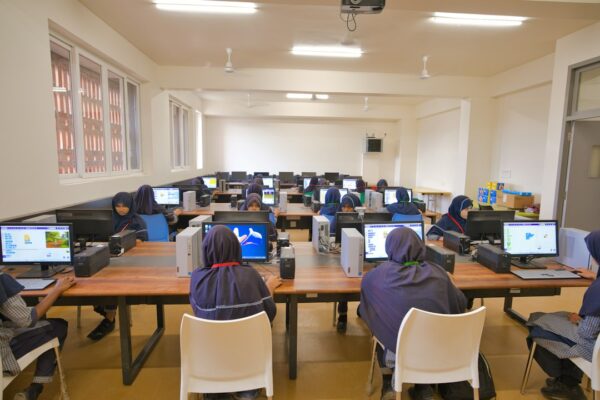
A NITI Aayog report reveals that only 8.25% of graduates in India secure jobs matching their qualifications, highlighting a significant disconnect between education and employment.
India — A recent report from NITI Aayog shows a worrying trend in the job market for graduates. Only 8.25% of graduates in India find jobs that match their qualifications. This leaves over 91% either unemployed or in roles that do not require their degrees. This alarming statistic highlights the growing gap between higher education and the job market. It raises important questions about the effectiveness of current educational pathways.
The number of students pursuing higher education is rising rapidly. However, the job market has not expanded at the same rate. Currently, around 3.4 crore students are enrolled in undergraduate programs. Over 1.3 crore are pursuing Bachelor of Arts degrees alone. This surge in graduates is not met with enough job opportunities, especially in fields like engineering and business management. These fields are traditionally seen as pathways to stable employment. According to the World Bank, the mismatch between education and employment is a global issue. However, India’s situation is particularly severe due to its rapidly growing youth population.
The Skills Gap: A Major Barrier to Employment
The NITI Aayog report reveals that nearly 80% of students lack practical knowledge and industry exposure. While they may excel in theory, many graduates feel unprepared for the workplace. This skills gap is especially noticeable among engineering and business management graduates. They are often expected to have both technical and soft skills when entering the job market. A NASSCOM report emphasizes that the skills gap is not just about knowledge. It also involves the ability to apply that knowledge effectively in real-world situations.
Career Ahead’s analysis of the NITI Aayog findings shows that about 34% of graduates cite a lack of relevant skills as their main challenge in securing jobs. Additionally, 18% of graduates feel unprepared for job interviews. This highlights the need for better career services and practical training in academic institutions. The report suggests that educational institutions should integrate more hands-on training and internships into their curricula. This will help prepare students for the job market.
This skills gap is especially noticeable among engineering and business management graduates.
As the job market changes, employers increasingly seek candidates who can show practical skills and adaptability. This shift highlights the importance of internships, hands-on training, and real-world project experience during academic programs. Graduates who can demonstrate these qualities will likely have an advantage in the job market. Furthermore, the intense competition for government jobs complicates the situation. Over 1.86 crore applications were received for just 55,000 positions between November 2024 and July 2025. This shows that relying on government employment is not a viable long-term strategy for many graduates. The report suggests that the education system must adapt to better prepare students for the realities of the job market.
Kumar linked policy success to institutional capacity, while industry examples show curricula and hiring tests shifting towards applied problem-solving.
Implications for Engineering and Business Management Graduates
The mismatch between qualifications and job opportunities is especially severe for engineering and business management graduates. Many students enter these programs expecting to secure high-paying jobs after graduation. However, the reality is often different. Career Ahead’s analysis finds that only a small number of these graduates find roles that use their skills. This leads to frustration and disillusionment. The engineering sector has seen a significant decline in entry-level opportunities. As companies adopt automation and AI technologies, the demand for traditional engineering roles is decreasing. Graduates must now shift towards emerging fields like data science, AI, and cybersecurity to stay relevant. This change requires a proactive approach to skill development. Students should seek additional training and certifications in these areas.
Similarly, business management graduates face challenges in finding jobs that match their degrees. Many graduates end up in roles that do not require a management background, such as sales or customer service. This trend raises questions about how well business education prepares students for modern business environments. The NITI Aayog report shows that only 7% of business management graduates find jobs that match their skills. This indicates a serious disconnect between what is taught in classrooms and what is needed in the workforce.
To tackle these challenges, educational institutions must align their curricula with industry needs. Collaborating with businesses to create internship programs and hands-on training opportunities can help bridge the skills gap. By fostering partnerships between academia and industry, institutions can better equip graduates with the skills necessary to succeed in today’s job market. The findings from the NITI Aayog report serve as a wake-up call for policymakers, educators, and students. As the job market continues to evolve, there is an urgent need for reforms that focus on practical skills and industry exposure. Without these changes, the large number of graduates entering the job market each year will continue to struggle to find suitable employment.
As India aims to become a developed nation by 2047, the focus must shift from just increasing graduation rates. It must ensure that graduates have the skills and knowledge that employers need. The question remains: will the education system evolve quickly enough to meet the demands of the future job market?
This trend raises questions about how well business education prepares students for modern business environments.
Frequently Asked Questions
What skills should engineering graduates develop to improve employability?
Engineering graduates should focus on skills in data analysis, programming, and project management. Hands-on experience through internships and real-world projects can also enhance their job readiness.
How can business management graduates find jobs that match their degrees?
Business management graduates can improve their chances of finding relevant jobs by networking, attending industry events, and seeking internships that provide practical experience. Engaging with professionals in their desired fields can also offer valuable insights and opportunities.
What steps can graduates take to enhance their job prospects in India?
Graduates can boost their job prospects by pursuing additional certifications in high-demand fields, participating in internships, and developing soft skills like communication and teamwork. Staying informed about industry trends and adapting to new technologies is also crucial.
Written by Career Ahead AI. AI can make mistakes, so verify key facts. Report errors to support@careeraheadonline.com.
Career Ahead AI is Career Ahead Magazine's in-house AI newsroom, reporting on careers, education, jobs and business. It produces original summaries and analysis drawn from publicly available sources, with those sources credited, and operates under the editorial oversight of the Career Ahead team. AI can make mistakes, so please tell us when something looks wrong. Corrections, copyright or takedown requests…
India’s teenagers are beginning UPSC prep years before they’re eligible. Experts and toppers say the trick is balance—board grades, degree depth, answer-writing…


 Education & University Insights
Education & University Insights