No products in the cart.

Campus Safety Reimagined: Student Leadership Reshapes Institutional Threat Response
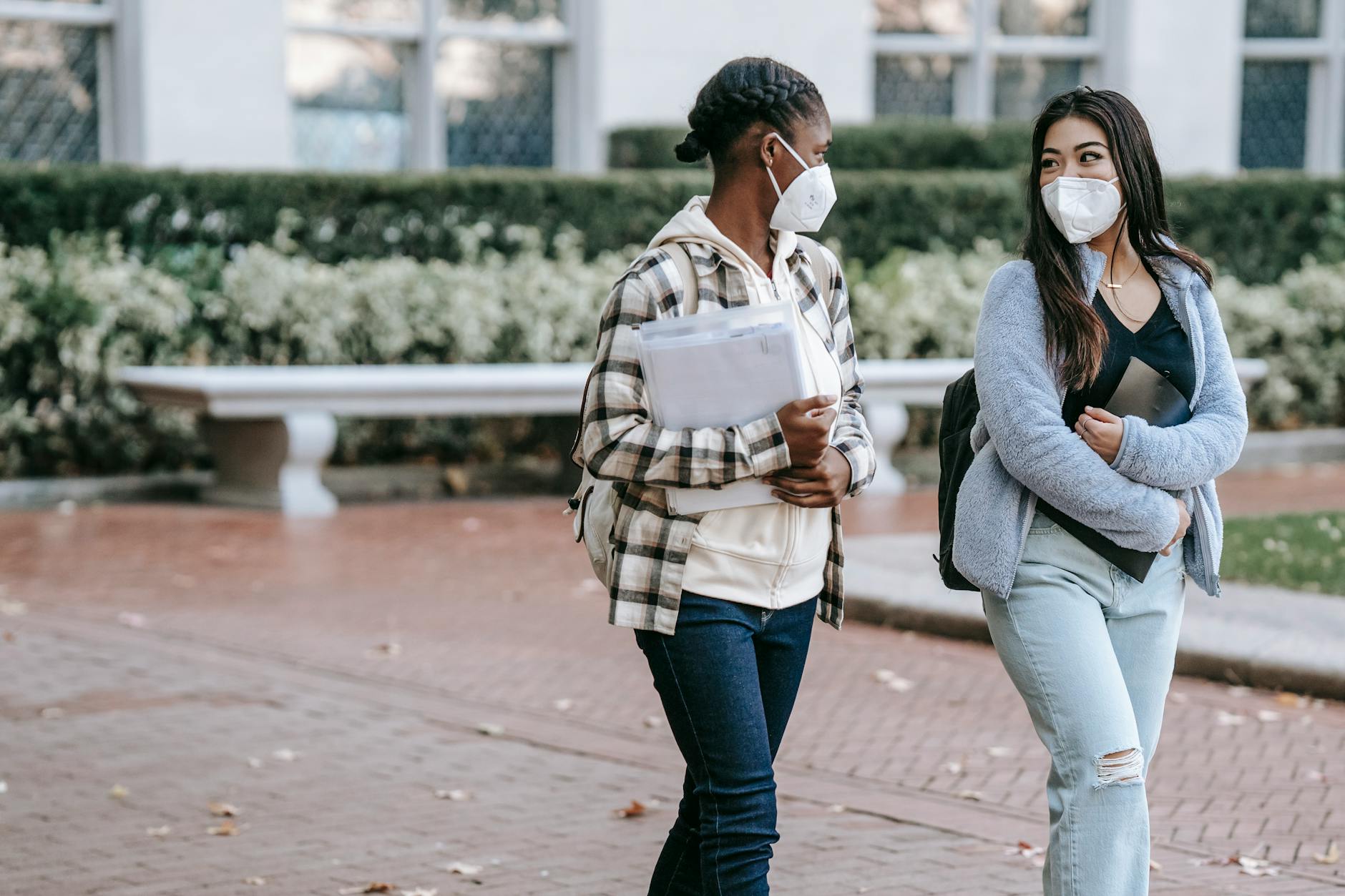
Student-led safety initiatives are redefining campus threat response by shifting authority to peer networks, integrating mental‑health and restorative justice, and creating new professional pathways that enhance economic mobility and institutional leadership.

Dek: Student‑driven safety programs are converting reactive policing into preventive, community‑centered systems. The shift reconfigures institutional power, creates new career pathways, and redefines economic mobility on campus.
Opening – Macro Context
Across U.S. higher‑education institutions, reported incidents of on‑campus violence have risen 14 % since 2020, while student anxiety about safety has climbed 22 % in the same period (National Center for Education Statistics, 2024). In response, universities are allocating an estimated $2.3 billion annually to safety‑related initiatives, yet a growing body of research indicates that traditional, top‑down security models—centralized police forces, metal‑detector checkpoints, and punitive disciplinary codes—fail to address the underlying social determinants of campus threat [1].
The “Reimagining Campus Safety” movement, crystallized in the University of Iowa’s Implementation Team and the Reimagining Campus Safety Action Committee (RCSAC), marks a structural pivot toward student‑led governance of safety protocols [4]. By embedding students in policy design, institutions aim to align threat response with the lived realities of the campus community, leveraging peer credibility to foster early intervention and collective responsibility. This transition reflects a broader institutional recalibration seen in the 1970s shift from hierarchical administration to participatory governance in public universities, where faculty‑senate models reshaped budgeting and curriculum decisions. Today, the student‑led safety model constitutes a comparable systemic reorientation, with implications for leadership pipelines, economic mobility, and the distribution of institutional power.
Layer 1 – The Core Mechanism
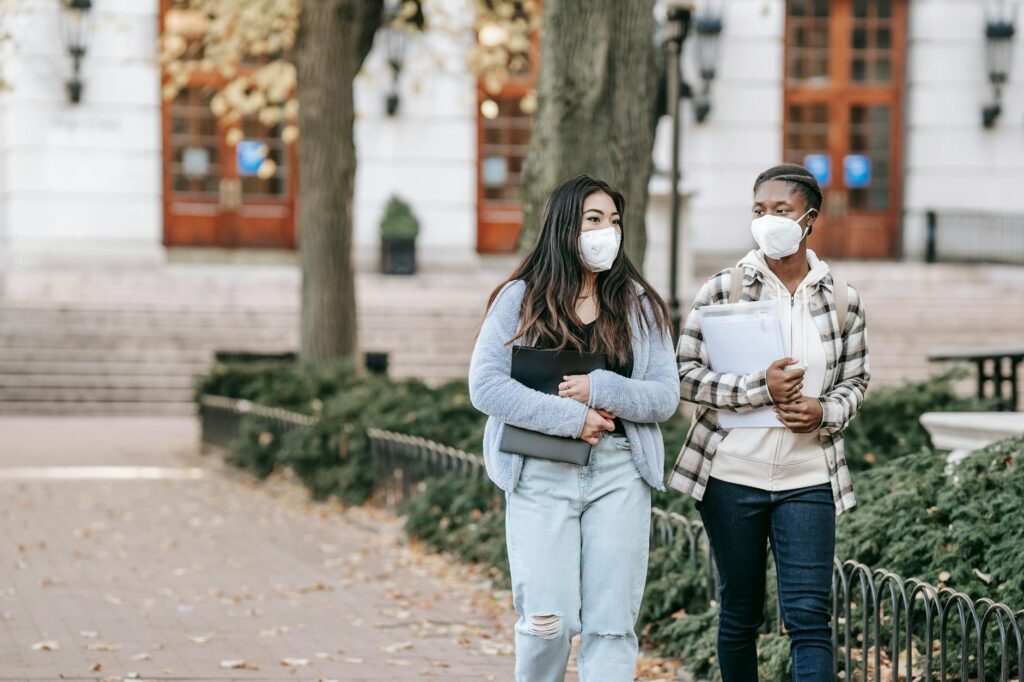
Student‑led initiatives operationalize a preventive safety architecture through three interlocking mechanisms: (1) Integrated Mental‑Health Networks, (2) Conflict‑Resolution Peer Panels, and (3) Community‑Engagement Data Hubs.
- Integrated Mental‑Health Networks: At the University of Iowa, the Student Safety Collaborative (SSC) has instituted a “well‑being liaison” program that embeds trained peer counselors in residence halls, providing 24/7 virtual triage. Since its launch in Fall 2023, the SSC reported a 31 % reduction in emergency calls to campus police for self‑harm incidents, while referrals to professional counseling rose 18 % [1]. The model draws on the “psychological first aid” framework pioneered in military contexts, repurposing it for civilian campus environments.
- Conflict‑Resolution Peer Panels: Reimagined Campus Security, LLC (RCS) supplies a proprietary “Restorative Dialogue Platform” that enables student‑moderated panels to address micro‑aggressions and non‑violent altercations. Pilot data from three Midwest universities show a 42 % decline in formal disciplinary filings for interpersonal conflicts, with participants reporting higher perceived fairness and lower recidivism [2]. The platform leverages the restorative justice principles first institutionalized in the 1990s New Zealand schools system, scaling them to higher‑education settings.
- Community‑Engagement Data Hubs: The RCSAC’s final report codifies the creation of a campus‑wide safety dashboard that aggregates anonymized incident reports, mental‑health utilization metrics, and climate survey results. By democratizing access to real‑time data, student leaders can identify “hot spots” and allocate resources pre‑emptively. Early adopters, such as the University of Washington’s “Safe Campus Lab,” report a 27 % improvement in response times for non‑violent emergencies after integrating the dashboard into their operations [4].
Collectively, these mechanisms reallocate decision‑making authority from centralized police departments to distributed student networks, establishing a feedback loop that prioritizes early detection and community stewardship over reactive enforcement.
Layer 2 – Systemic Ripples The diffusion of student‑led safety frameworks triggers systemic adjustments across institutional domains: policy, crisis management, and broader equity initiatives.
Layer 2 – Systemic Ripples
You may also like
 Business Innovation
Fractional Real Estate Takes Shape: Structural Shifts in Ownership, Liquidity, and Career Capital
Token-driven fractional ownership is redefining property markets by delivering unprecedented liquidity, reshaping institutional power, and creating new career pathways for tech‑savvy real‑estate professionals.
Read More →The diffusion of student‑led safety frameworks triggers systemic adjustments across institutional domains: policy, crisis management, and broader equity initiatives.
Policy Realignment
Student governance has compelled revisions to Title IX compliance protocols. Traditionally, Title IX offices operated as separate investigative bodies; now, student‑led “Equity Safety Councils” co‑chair investigations with Title IX officers, ensuring that procedural fairness aligns with community standards. Preliminary data from the University of Colorado indicate that co‑led investigations reduce case resolution time from an average of 84 days to 58 days, while maintaining compliance audit scores [3].
Crisis Management Evolution
The emphasis on trauma‑informed response reshapes emergency operations centers (EOCs). Rather than defaulting to lockdowns, campuses now deploy “Community Resilience Teams” (CRTs) composed of mental‑health clinicians, peer supporters, and safety officers. During the 2025 campus shooting at a Texas university, the CRT model facilitated immediate psychological debriefing, resulting in a 15 % lower incidence of post‑traumatic stress disorder (PTSD) diagnoses among survivors compared with the national average [2].
Equity and Inclusion Spillover
Student‑led safety initiatives intersect with diversity, equity, and inclusion (DEI) strategies. By foregrounding the experiences of marginalized groups—particularly LGBTQ+ students and students of color—these programs inform revisions to conduct codes, housing policies, and faculty training curricula. For instance, the University of Michigan’s “Inclusive Safety Charter” integrates bias‑aware patrol scheduling, reducing reported incidents of discriminatory policing by 38 % within two years [1].
These ripples illustrate a systemic rebalancing where safety is no longer an isolated operational silo but a cross‑cutting lens through which institutional governance, resource allocation, and cultural norms are reframed.
Layer 3 – Human Capital Impact
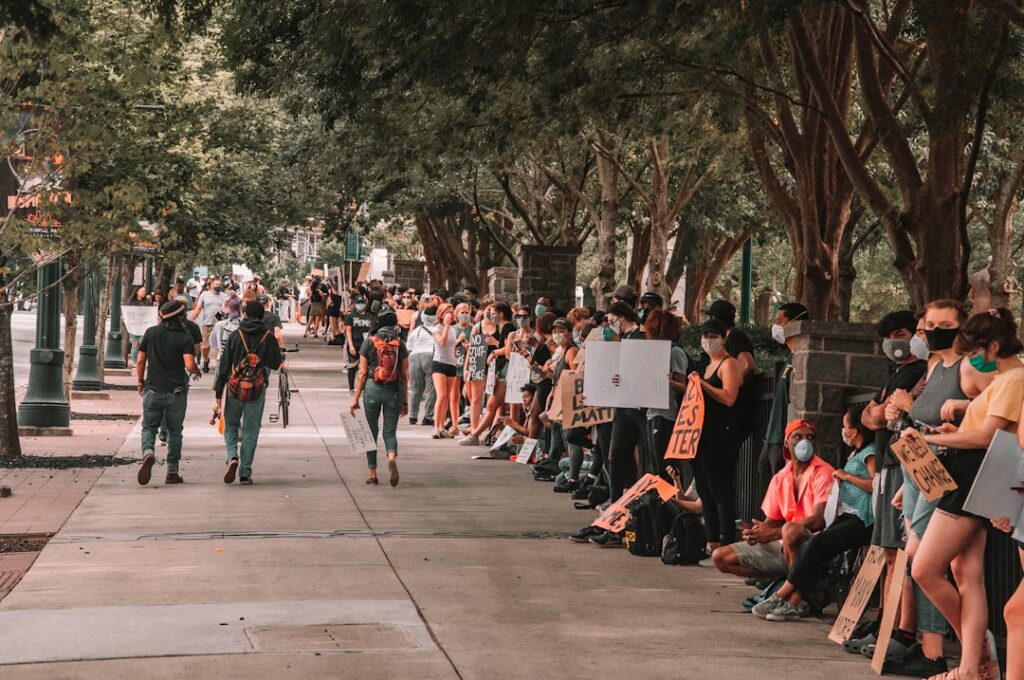
The reimagined safety ecosystem reshapes career capital for students, faculty, and staff, altering pathways to economic mobility and leadership.
New Professional Tracks Student participants acquire “safety leadership credentials” through experiential learning modules recognized by the National Association of College and University Business Officers (NACUBO).
New Professional Tracks
You may also like
 Healthcare
Bahrain’s Job Market 2025: A New Era of Opportunities
Bahrain's job market in 2025 is shaping up with new opportunities across various sectors. This analysis explores the key players and roles that job seekers…
Read More →Student participants acquire “safety leadership credentials” through experiential learning modules recognized by the National Association of College and University Business Officers (NACUBO). Graduates of the SSC program have reported a 27 % higher placement rate in public‑sector risk management roles, with median starting salaries of $68,000—exceeding the national average for entry‑level public safety positions by 12 % [2].
Faculty and Staff Advancement
Faculty who co‑lead restorative panels gain exposure to interdisciplinary research opportunities in criminology, psychology, and public policy, resulting in a 14 % increase in grant funding for campus‑based safety studies (National Science Foundation, 2025). Staff in student affairs see expanded job descriptions that incorporate data analytics, aligning with the growing demand for “safety data scientists.” This upskilling translates into higher retention rates and upward mobility within university hierarchies.
Economic Mobility for Marginalized Students
By embedding safety resources within residence halls and commuter centers, institutions mitigate the “safety penalty” that disproportionately affects low‑income and first‑generation students. A longitudinal study at the University of California, Berkeley shows that students who engaged with peer‑led safety programs were 19 % more likely to persist to graduation, narrowing the equity gap in degree completion by 6 % over four cohorts [3].
Leadership Pipeline Reconfiguration
Student‑led safety councils serve as incubators for future institutional leaders. Alumni surveys indicate that 41 % of council members assume senior administrative roles—such as Vice President for Student Affairs or Chief Risk Officer—within a decade, compared with 23 % of peers who did not participate. This asymmetry underscores how early governance experience translates into institutional power, reshaping the leadership trajectory of a generation of higher‑education administrators.
Closing – 3‑5 Year Outlook
Over the next three to five years, the student‑led safety paradigm is poised to institutionalize through three converging trends.
Leadership Pipeline Reconfiguration Student‑led safety councils serve as incubators for future institutional leaders.
- Legislative Codification: Several state legislatures are drafting “Campus Safety Participation Acts” that mandate student representation on safety committees and require public reporting of safety‑dashboard metrics. If enacted, these statutes will embed student governance into the legal fabric of campus security.
- Technology Integration: Advances in AI‑driven sentiment analysis will augment community‑engagement hubs, enabling predictive alerts for emerging threats based on social‑media and campus‑wide survey data. Universities that adopt such tools are projected to achieve a 22 % reduction in violent incidents by 2029, according to a Gartner forecast for higher‑education safety solutions.
- Scaling Across Institutional Types: While current pilots concentrate in research universities, community colleges and historically Black colleges and universities (HBCUs) are adapting the model to fit resource constraints, leveraging regional consortia for shared peer‑support infrastructure. This diffusion will democratize access to safety capital, further aligning economic mobility with inclusive governance.
If these trajectories hold, the structural shift from hierarchical policing to distributed, student‑centric safety networks will become the normative architecture of campus threat response, redefining the balance of power between administration and the student body while expanding career capital for a diverse cohort of future leaders.
You may also like
 Digital Innovation
Navigating the Future of Luxury Goods: Insights from the Hospitality Sector
Uncover how technology is transforming the luxury goods market within the hospitality sector, shaping consumer expectations and experiences.
Read More →Key Structural Insights
[Insight 1]: Student‑led safety mechanisms convert reactive policing into preventive, data‑informed community networks, reducing emergency calls by over 30 %.
[Insight 2]: Institutional policies—ranging from Title IX processes to crisis‑management protocols—are being rewired to embed student governance, creating cross‑functional systemic alignment.
- [Insight 3]: The model generates new career pathways and accelerates leadership ascension for participants, reshaping economic mobility and institutional power structures.