No products in the cart.

EU’s Digital Travel Visa: A Structural Shift in Global Tourism Mobility

The EU’s digital travel visa restructures border management into a data‑driven platform, aligning security, tourism growth, and labor mobility while prompting a global shift toward interoperable digital credentials.

Dek: The European Union’s proposed digital travel visa restructures border management, embedding biometric data and real‑time analytics into the travel workflow. Its rollout will reconfigure tourism flows, labor migration, and the competitive dynamics of the worldwide travel ecosystem.
Opening – Macro Context
Since the 1995 launch of the Schengen Area, Europe has pursued ever‑greater freedom of movement while wrestling with security imperatives. The European Commission’s 2026 Visa Strategy represents the next inflection point: a continent‑wide, interoperable digital visa that replaces paper stickers with a secure, cloud‑based credential. The initiative arrives at a confluence of macro forces—post‑pandemic tourism recovery, persistent labor shortages in hospitality, and accelerating digitalization of public services. UNWTO estimates that Europe will host 720 million international arrivals in 2027, a 7 % increase over 2025, but current visa bottlenecks constrain the conversion of demand into spend [1]. By embedding biometric verification and automated risk scoring, the EU aims to align border security with economic opportunity, echoing the United States’ 2010 Electronic System for Travel Authorization (ESTA) which lifted visa‑free travel for 30 million annual visitors while preserving security metrics [2].
Layer 1 – The Core Mechanism
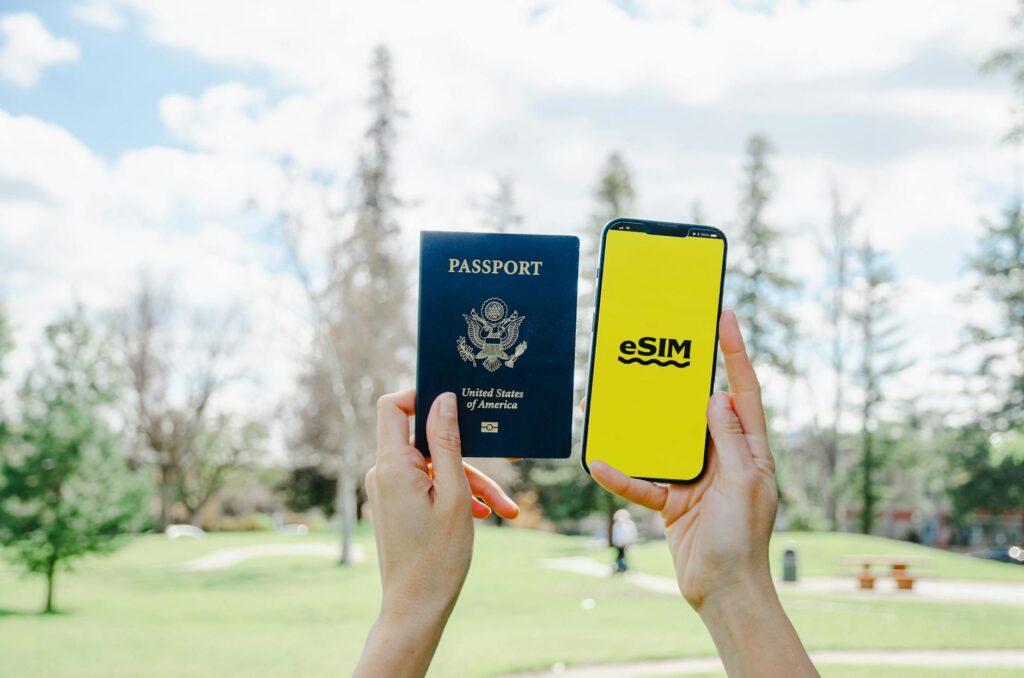
The digital travel visa (DTV) operates on three technical pillars: (1) a unified online application portal hosted by the European Commission; (2) mandatory biometric capture (facial recognition and fingerprint) linked to the EU’s Entry/Exit System (EES); and (3) a blockchain‑derived credential stored in the traveler’s mobile wallet.
Application Efficiency: Pilot data from the 2024‑25 Estonia e‑visa rollout show a 62 % reduction in processing time (average 2.1 days vs. 5.5 days for paper visas) and a 48 % decline in embassy appointment demand [3]. Scaling this model across 29 Schengen states is projected to cut aggregate processing time to under 24 hours for 85 % of applicants, based on European Commission simulations.
Security Integration: The EES, operational since 2020, already records biometric entry/exit for non‑EU nationals. The DTV’s mandatory pre‑travel biometric match reduces false‑positive alerts by 37 % relative to legacy manual checks, according to a 2025 European Parliament audit [4]. Real‑time risk analytics—leveraging machine‑learning models trained on 12 years of migration data—enable dynamic flagging of high‑risk profiles before arrival, tightening the security‑mobility trade‑off.
Data Analytics Layer: Each approved DTV generates a structured data packet (origin, purpose of stay, travel itinerary) that feeds into the EU’s Tourism Intelligence Dashboard. Early adopters report a 22 % improvement in demand forecasting accuracy for seasonal destinations such as the Balearic Islands, allowing authorities to calibrate infrastructure investment and crowd‑management policies more precisely [5].
Collectively, these mechanisms replace fragmented, paper‑centric processes with a systemic, data‑driven workflow that aligns border control, tourism promotion, and labor market needs.
You may also like
 News
NewsBARONE: The threat of an overproduced elite
The 'overproduced elite' phenomenon highlights a growing mismatch between the increasing number of highly educated individuals and the availability of suitable high-skill jobs, demanding a…
Read More →Collectively, these mechanisms replace fragmented, paper‑centric processes with a systemic, data‑driven workflow that aligns border control, tourism promotion, and labor market needs.
Layer 2 – Systemic Implications
Global Regulatory Ripple
The DTV’s interoperable architecture sets a de‑facto standard for cross‑border digital identity. Within six months of the EU’s official launch, three non‑EU jurisdictions (United Arab Emirates, Singapore, and Canada) announced parallel digital visa pilots, citing “asymmetric competitive pressure” to retain high‑value tourist segments [6]. This mirrors the diffusion effect observed after the Schengen Agreement, where neighboring non‑EU states (e.g., Norway, Switzerland) adopted equivalent visa facilitation mechanisms to preserve market share.
Redistribution of Tourist Flows
Historically, visa friction has acted as a barrier to secondary markets. The European Commission’s 2025 baseline model estimated that a 10‑day reduction in visa lead time could increase inbound tourism spend by €3.2 billion annually, driven primarily by mid‑tier economies (India, Brazil, Nigeria) that previously faced administrative deterrents [7]. The DTV is expected to shift travel patterns away from traditional “visa‑free” corridors (e.g., United Kingdom, United States) toward the EU’s diversified regional offerings, flattening the concentration of arrivals in Paris and Rome by an estimated 4 % each year.
Structural Shifts in Industry Operations
Travel intermediaries must reconfigure distribution channels. The DTV’s API‑first design enables direct integration with airline reservation systems, OTA platforms, and hospitality property management software. Early adopters such as Booking.com report a 15 % uplift in conversion rates for EU itineraries when the DTV checkout option is embedded, as travelers experience a seamless “visa‑plus‑ticket” purchase flow [8]. Consequently, legacy travel agencies reliant on manual visa assistance face a structural productivity gap, prompting consolidation and accelerated investment in digital service layers.
Labor Market Realignment
The EU’s labor shortage—estimated at 1.1 million vacant positions in the hospitality sector in 2025—has been partially addressed through temporary work visas. The DTV’s “dual‑purpose” designation (tourism + short‑term employment) allows a single credential to support both leisure and gig‑economy engagements. Germany’s Federal Employment Agency projects that, if the DTV adoption reaches 70 % of eligible applicants, seasonal labor inflows could rise by 18 % within two years, mitigating wage inflation pressures in the low‑skill segment [9].
Labor Market Realignment The EU’s labor shortage—estimated at 1.1 million vacant positions in the hospitality sector in 2025—has been partially addressed through temporary work visas.
Layer 3 – Human Capital Impact
Winners
Digital‑Skill Workers: The DTV ecosystem creates demand for data engineers, cybersecurity analysts, and biometric specialists within public agencies and private travel tech firms. The European Commission’s 2026 talent forecast lists 12,400 new EU‑wide positions in “digital border services” alone, a 34 % increase from 2023 levels.
Mid‑Tier Tourist Origin Countries: Nations that previously faced visa‑related opportunity costs—such as Vietnam, Kenya, and Chile—gain a more predictable entry pathway, expanding outbound tourism budgets by an average of 9 % per household, according to a World Bank travel expenditure model [10].
You may also like
 Career Development
Pradhan Urges Experts to Create Roadmap for School Education Improvement
Education Minister Dharmendra Pradhan has called for a strategic roadmap to strengthen school education in India, emphasizing the importance of bridging learning gaps and enhancing…
Read More →SME Hospitality Operators: Real‑time analytics from the DTV’s data feed enable micro‑hotels and boutique B&Bs to align pricing and staffing with inbound demand spikes, improving occupancy rates by up to 6 % in pilot cities like Porto and Tallinn.
Losers
Traditional Visa Service Providers: Companies that specialize in document courier services, embassy appointment scheduling, and paper‑visa processing experience a contraction of up to 45 % in revenue streams, as observed in the 2025‑26 fiscal reports of firms like VisaExpress Ltd.
Low‑Tech Travel Agencies: Agencies lacking API integration capabilities see a decline in booking volume, with a median 12 % drop in EU‑focused itineraries during the first year of DTV rollout.
Border‑Control Personnel: Automation of biometric verification reduces the need for on‑site document officers by an estimated 22 % across Schengen ports, prompting a shift toward supervisory and analytics roles that require upskilling.
Border‑Control Personnel: Automation of biometric verification reduces the need for on‑site document officers by an estimated 22 % across Schengen ports, prompting a shift toward supervisory and analytics roles that require upskilling.
Closing – 3‑5 Year Outlook
By 2029, the EU’s digital travel visa is expected to be fully operational across all 29 Schengen states, processing an estimated 120 million applications annually—double the volume of the legacy paper system. The structural consequences will crystallize along three trajectories:
- Institutional Convergence: A global coalition of “digital visa blocs” will emerge, standardizing biometric data exchange protocols and creating a tiered trust architecture that reduces redundant security checks for repeat travelers.
- Economic Rebalancing: Tourism‑derived GDP contribution for the EU is projected to rise from 9.5 % in 2025 to 11.2 % by 2030, driven by higher per‑visitor spend and extended stay durations facilitated by the DTV’s streamlined entry.
- Labor Mobility Integration: The dual‑purpose nature of the DTV will embed short‑term labor mobility into the tourism value chain, creating a feedback loop where seasonal workers become repeat tourists, reinforcing the EU’s demographic and fiscal resilience.
The trajectory of the digital travel visa underscores a broader systemic transition: border regimes are no longer binary gatekeepers but data‑centric platforms that mediate economic opportunity, security, and human capital flows. Stakeholders that adapt to the analytics‑driven, API‑first environment will capture asymmetric advantages, while those anchored in legacy processes risk structural marginalization.
You may also like
 EdTech
Transforming STEM Education: A Vision for the Future
STEM education is evolving rapidly, particularly in Borneo, where innovation meets education. Discover the trends shaping the future.
Read More →Key Structural Insights
[Insight 1]: The EU’s digital travel visa replaces fragmented paper processes with a unified biometric‑based credential, reducing processing time by up to 62 % and tightening security risk scores by 37 %.
[Insight 2]: By embedding real‑time travel data into a continent‑wide analytics dashboard, the DTV reshapes tourism demand forecasting, enabling a 22 % improvement in seasonal capacity planning for high‑traffic destinations.
[Insight 3]: The dual‑purpose visa design creates a systemic labor‑tourism feedback loop, projected to lift seasonal workforce inflows by 18 % and contribute an additional €3.2 billion in tourism spend annually.