Traci Quinn, a former inmate, has transformed her life by founding Pink Hats, an all-female construction company in Chicago. Her journey from prison to entrepreneurship highlights resilience and the power of second chances.
City, US — Traci Quinn’s story exemplifies resilience and determination. After spending three years in prison, she emerged with a vision to change her life and the lives of others. Today, she is the founder and leader of Pink Hats, an all-female construction company based in Chicago. Her journey illustrates the transformative power of second chances and the potential for personal redemption.
Quinn’s path to entrepreneurship began while she was incarcerated. Reflecting on her life, she realized her passion for helping others and her desire to make a positive impact in her community. Inspired by her experiences as a nurse and her understanding of the struggles faced by marginalized communities, she decided to establish a construction business focused on redevelopment projects in Chicago’s poorest neighborhoods.
Upon her release in 2020, Traci faced significant challenges. With no prior experience in construction, she had to navigate a male-dominated industry that often overlooks women, especially women of color. Despite these obstacles, she launched Pink Hats, aiming to empower women and provide job opportunities in a field where they are underrepresented.
Overcoming Industry Challenges
Quinn quickly learned that the construction industry is fraught with challenges, particularly for women. Official statistics show that women make up only about 11% of the workforce in the U.S. construction sector, with even fewer being women of color. This lack of representation often leads to sexism and discrimination, which Quinn experienced firsthand. “It’s a male-dominated world, and they don’t always respect you,” she recalled, highlighting the hurdles she faced from male contractors and clients.
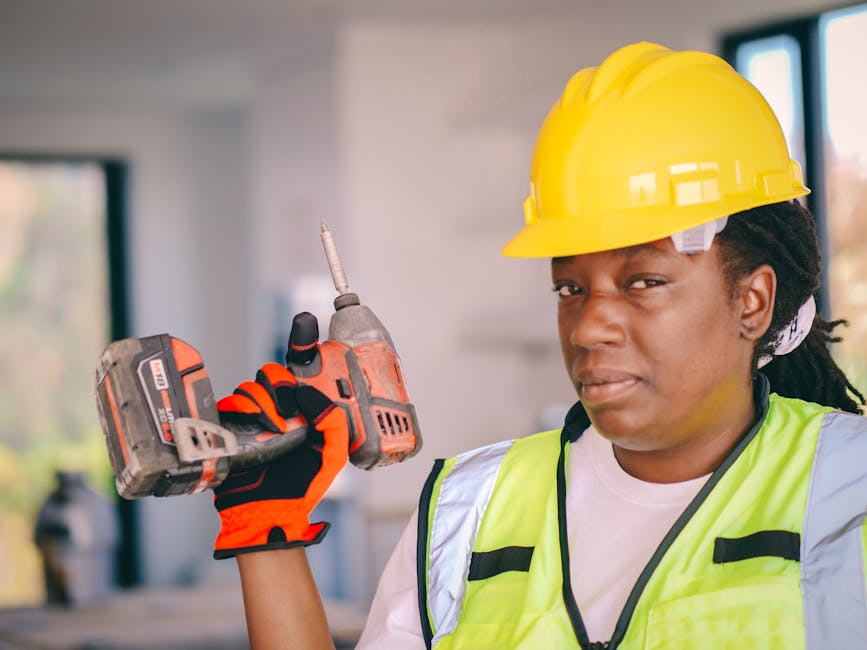
She enrolled in construction classes to gain essential skills and knowledge.
To combat these challenges, Traci sought mentorship from established professionals in the industry. She enrolled in construction classes to gain essential skills and knowledge. Her determination to succeed and her commitment to learning helped her build credibility and respect within the industry. As she gained experience, she began to hire her daughters and other women, creating a supportive work environment that promotes female empowerment.
Achievements and Community Contributions
Quinn’s commitment to excellence has not gone unnoticed. In just a few years, Pink Hats has completed numerous projects, including renovations for women recovering from substance abuse. The company earned $125,000 in its first year and has since surpassed $1 million in revenue. Her success story serves as an inspiration to others, proving that with hard work and determination, it is possible to overcome adversity.
Traci Quinn’s vision extends beyond her business. She aims to create transitional homes for women exiting the prison system, providing them with a safe space to rebuild their lives. With a $250,000 grant from the city, she plans to transform an office space into classrooms to teach various trades, including plumbing and painting. Her goal is to help ex-convicts reintegrate into society by equipping them with valuable skills.
Commitment to Sustainability and Empowerment
Quinn’s efforts align with broader trends in the construction industry, where there is a growing recognition of the importance of diversity and inclusion. As companies increasingly prioritize social responsibility, Quinn’s work exemplifies how businesses can have a positive impact on their communities while also achieving financial success. Her commitment to using sustainable materials, such as hemp insulation, further demonstrates her dedication to environmentally friendly practices.
As Pink Hats continues to grow, Quinn remains focused on her mission to uplift others. She believes that by empowering women and providing opportunities for marginalized individuals, she can help reshape the construction landscape. “When women stay the course and remain committed to their craft, they not only reach the finish line—they redefine it for others,” she stated, reflecting on her journey and the impact she hopes to create.
In a world increasingly dominated by artificial intelligence, the intersection of technology and creativity presents significant challenges. Folk musician Murphy Campbell recently found herself at…
As companies increasingly prioritize social responsibility, Quinn’s work exemplifies how businesses can have a positive impact on their communities while also achieving financial success.
Inspiring Change in the Construction Industry
Quinn’s story has garnered attention from various media outlets, including a recent feature by the BBC, which highlighted her journey as a testament to the potential of second chances in America. The article emphasized how her transformation from inmate to business leader not only serves as an inspiration for others but also challenges the stereotypes surrounding formerly incarcerated individuals. As she continues to advocate for women in construction, her narrative contributes to the ongoing dialogue about criminal justice reform and the importance of rehabilitation.
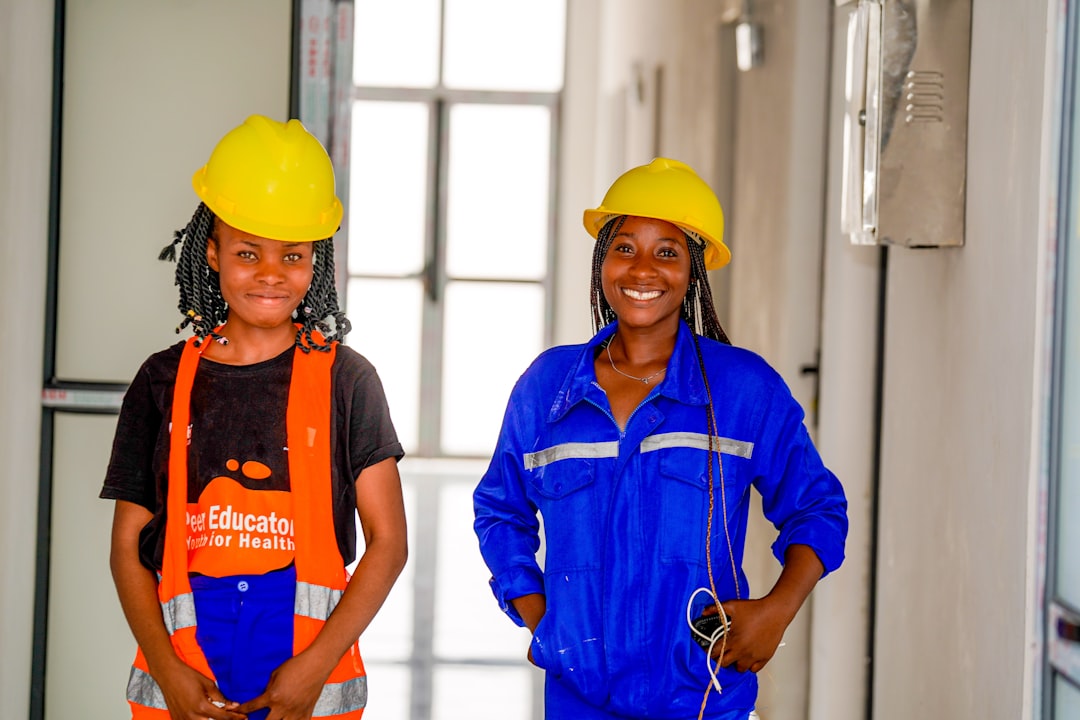
Moreover, Traci’s experience sheds light on the challenges faced by women in business, particularly in traditionally male-dominated fields. Her perseverance and determination inspire others to challenge the status quo and pursue their passions, regardless of societal expectations. As more women enter the construction industry, the potential for innovation and change increases, paving the way for a more equitable future.
As we consider the future, questions remain about the sustainability of Quinn’s model and the broader implications for the construction industry. Will her approach to empowering women and marginalized communities become a blueprint for others? Can the industry continue to evolve and adapt to the changing landscape of workforce diversity? Traci Quinn’s story is not just about personal triumph; it represents a movement towards a more inclusive and equitable future for all.



Artificial Intelligence
 Business Insights