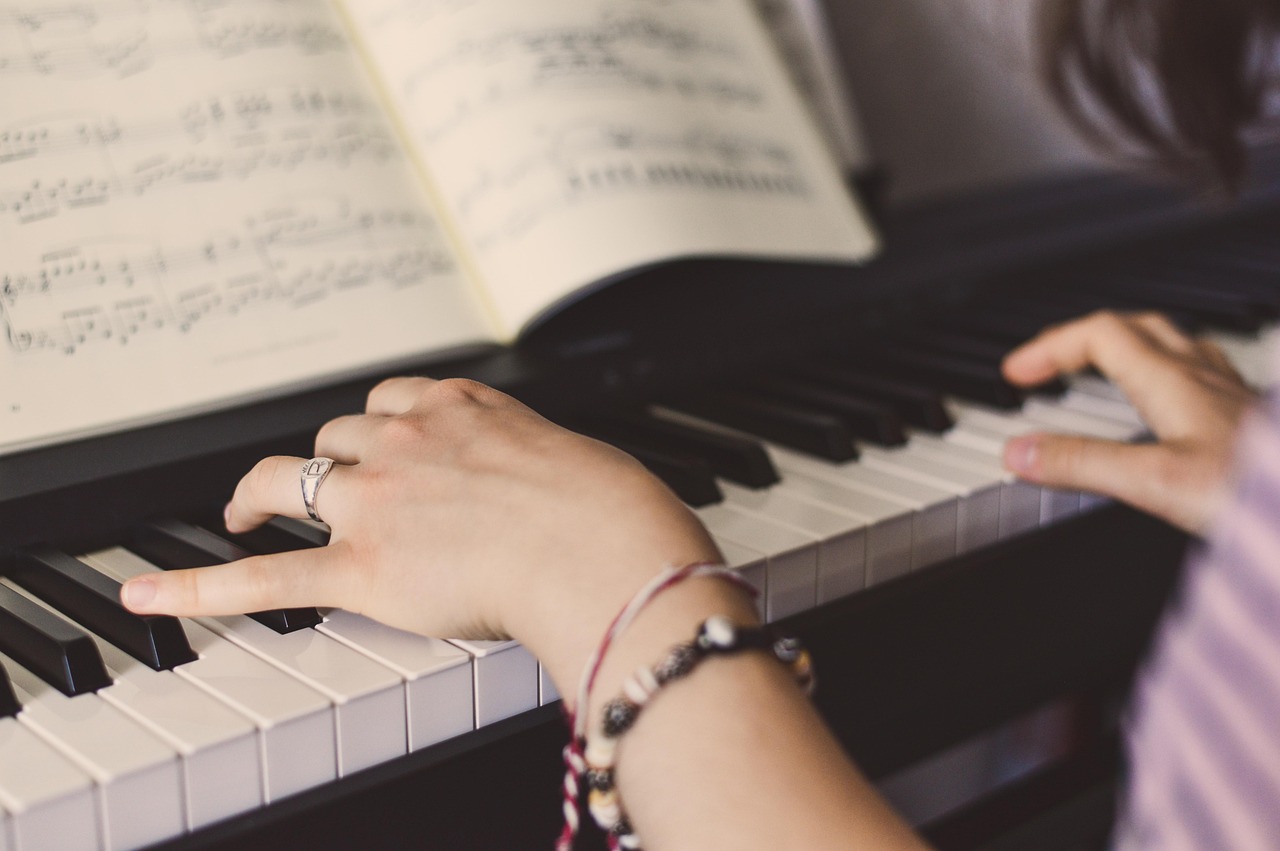
A folk musician became a target for AI fakes and a copyright troll
In a world increasingly dominated by artificial intelligence, the intersection of technology and creativity presents significant challenges. Folk musician Murphy Campbell recently found herself at the center of a controversy that highlights these issues. Her experience with AI-generated music and copyright claims raises critical questions about artistic ownership and the integrity of digital platforms.
In a world increasingly dominated by artificial intelligence, the intersection of technology and creativity presents significant challenges. Folk musician Murphy Campbell recently found herself at the center of a controversy that highlights these issues. Her experience with AI-generated music and copyright claims raises critical questions about artistic ownership and the integrity of digital platforms.
Campbell, known for her performances of public domain ballads, discovered that AI-generated versions of her songs were uploaded to streaming services without her consent. This incident not only highlights the vulnerabilities artists face in the digital age but also points to a broader issue within the music industry concerning copyright enforcement and the role of technology in creative expression.
The crux of Campbell’s predicament began when she noticed several songs on her Spotify profile that she had never uploaded. These tracks, which were AI-generated versions of her performances, had been created by extracting her YouTube recordings and processing them through generative AI models. This alarming discovery was just the tip of the iceberg in a complex web of copyright and digital rights issues.
AI’s Challenge to Music Copyright
The rise of AI in music production has introduced significant challenges for artists like Campbell. Traditionally, copyright laws were designed to protect creators from unauthorized use of their work. However, the advent of AI complicates this landscape. AI can generate music that closely resembles human-created compositions, leading to questions about ownership and originality.
According to reports from The Verge, Campbell’s experience is not an isolated incident. The music industry is witnessing a surge in AI-generated content, which often blurs the lines of copyright. As noted by a spokesperson from Vydia, the distributor involved in Campbell’s case, the system used to manage copyright claims on platforms like YouTube is under scrutiny. With over six million claims filed, even a small percentage of invalid claims can have a profound impact on artists’ rights.
Traditionally, copyright laws were designed to protect creators from unauthorized use of their work.
Moreover, the AI-generated versions of Campbell’s songs not only infringe on her copyright but also misrepresent her artistic identity. This is particularly concerning as AI tools become more sophisticated, enabling the production of music that can mimic the nuances of human performances. The implications of this trend extend beyond individual cases, as the music industry grapples with how to adapt its copyright frameworks to accommodate the realities of AI-generated content.
Navigating Copyright Enforcement
As generative AI continues to evolve, so too must the policies that govern artistic creation and ownership. This is a pressing concern for artists, especially those who rely on streaming platforms for their livelihoods. Campbell’s situation illustrates the challenges of navigating these systems. Despite her efforts to have the unauthorized AI covers removed, she faced significant resistance. Her experience reflects a growing frustration among musicians who feel powerless against the automated systems that govern copyright enforcement.
As Campbell remarked, “I thought we had more checks in place to prevent this kind of thing from happening.” Her skepticism towards the promises made by large platforms to protect artists is shared by many in the industry. This distrust is compounded by the complexities of copyright law, which often fails to keep pace with technological advancements. The Rolling Stone article highlights how the lack of effective safeguards can leave artists vulnerable to exploitation by AI-generated content.
Furthermore, the role of companies like Vydia in managing copyright claims adds another layer of complexity. While Vydia claims to uphold industry standards, the reality is that their systems can inadvertently harm artists. The fact that Campbell’s videos were flagged for copyright infringement, despite featuring public domain songs, raises questions about the reliability of automated copyright enforcement systems. This contradiction highlights a critical dilemma in the music industry: how to balance the benefits of AI technology with the need to protect artists’ rights.
Ethics of AI in Music Creation
The intersection of AI and copyright law is fraught with contradictions and ongoing debates. On one hand, advocates for AI argue that it democratizes music creation, allowing anyone to produce high-quality content without extensive training or resources. This could lead to a more diverse music landscape, where emerging artists can share their work more easily.
This contradiction highlights a critical dilemma in the music industry: how to balance the benefits of AI technology with the need to protect artists’ rights.
On the other hand, this democratization raises significant ethical concerns. Critics argue that AI-generated music undermines the value of human creativity and labor. They contend that allowing AI to replicate human performances without consent is a form of exploitation. This debate is particularly relevant in the context of Campbell’s experience, as her work was used without her permission to create derivative content. The ethical implications of AI in music creation extend beyond individual artists, affecting the entire industry and its future.
As the industry grapples with these changes, the voices of artists like Murphy Campbell will be crucial in shaping the conversation around AI and copyright. Their experiences and insights can help inform the development of policies that protect creativity while embracing technological advancements. Campbell’s battle against AI-generated copyright issues serves as a poignant reminder of the complexities artists face in the digital age. As the lines between human creativity and AI-generated content continue to blur, the need for effective copyright protections has never been more pressing.
Career Ahead AI is Career Ahead Magazine's in-house AI newsroom, reporting on careers, education, jobs and business. It produces original summaries and analysis drawn from publicly available sources, with those sources credited, and operates under the editorial oversight of the Career Ahead team. AI can make mistakes, so please tell us when something looks wrong. Corrections, copyright or takedown requests…
Reliance is moving from building India's New Energy infrastructure to commercial execution. From solar manufacturing, batteries and green hydrogen to compressed biogas…
Modern banking is no longer just about financial services—it is increasingly a technology industry powered by infrastructure, artificial intelligence, and regulation. In…
Golden Visas are evolving fast—from Portugal’s policy shift to the UAE’s merit-based model. For Indians exploring global mobility, this 2025 guide compares…


Entrepreneurship & Business
 Entrepreneurship & Business