No products in the cart.

Electric Skies, Sustainable Futures: How Hybrid Aircraft Reshape Global Tourism
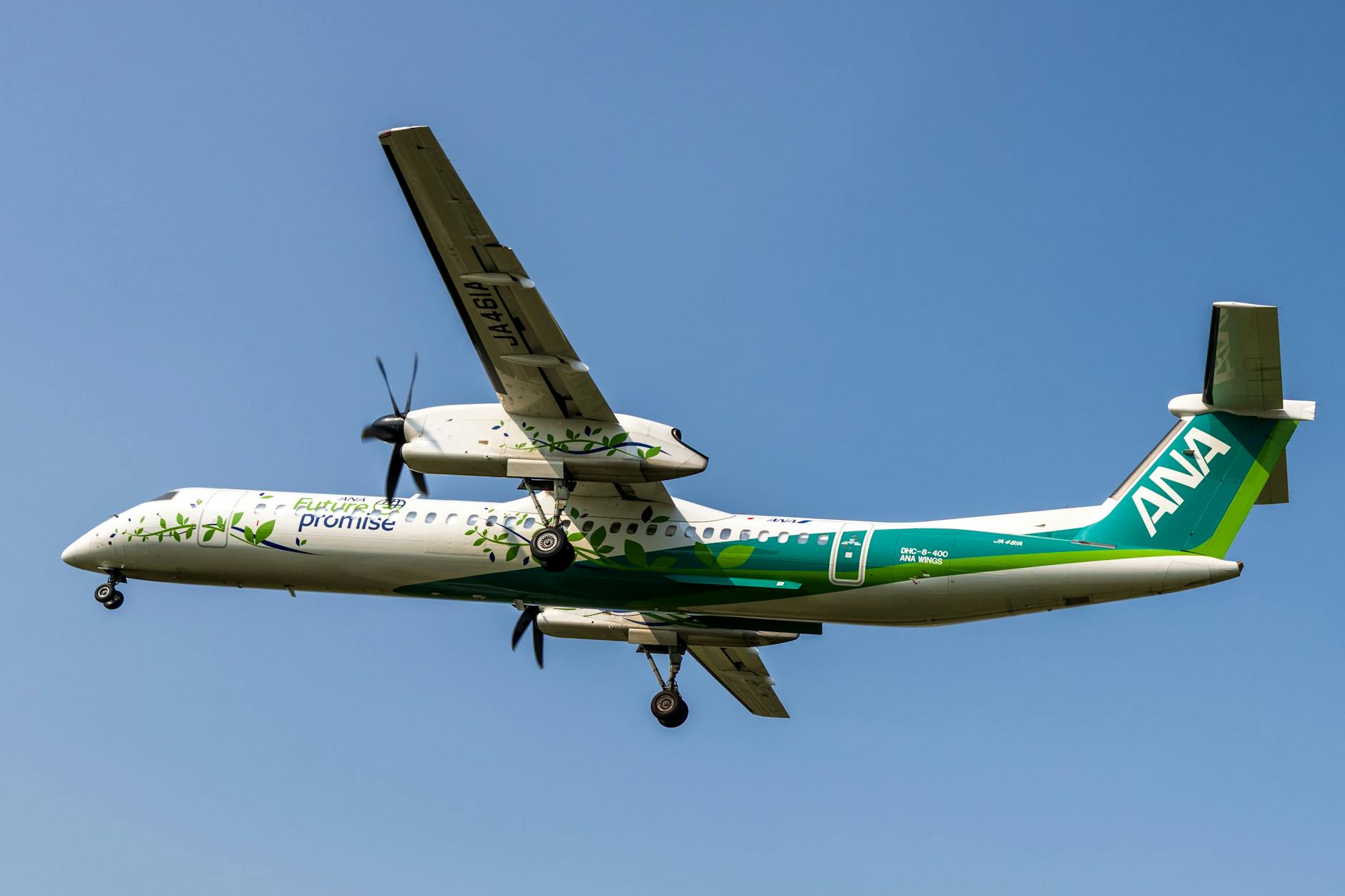
The convergence of traveler sustainability preferences, regulatory mandates, and hybrid‑electric propulsion technology is forcing a structural reallocation of capital and talent within tourism, with profound implications for career pathways and institutional power.

Dek: The convergence of consumer demand, regulatory pressure, and breakthrough propulsion technology is forcing the aviation sector to rewrite its operating model. Within five years, electric and hybrid aircraft will alter the capital structure of tourism, redefining career pathways and institutional power balances.
A Sustainable Tide in Global Tourism
The post‑pandemic resurgence of travel has coincided with a decisive shift in consumer values. A 2024 World Travel & Tourism Council (WTTC) survey shows that 70 % of travelers now rank sustainability as a primary booking criterion, up from 48 % in 2019 [1]. That behavioral pivot translates into a measurable market premium: sustainability‑focused itineraries command an average price uplift of 12 % and generate higher repeat‑booking rates [1].
Aviation remains the single largest emitter within the tourism value chain, accounting for ≈2.5 % of global CO₂ and a growing share of radiative forcing due to high‑altitude effects [3]. The sector’s carbon intensity has risen 1.3 % annually since 2010, outpacing the modest efficiency gains of newer jetliners [3]. The resulting regulatory tightening—ICAO’s Carbon Offsetting and Reduction Scheme for International Aviation (CORSIA) targeting net‑zero by 2050, and the EU’s “Fit‑for‑55” package imposing a 55 % reduction in transport emissions by 2030—creates a structural imperative for airlines to adopt low‑carbon propulsion [3][4].
Against this backdrop, the LYGG–Ampaire partnership to certify hybrid‑electric conversions by 2026 marks a watershed moment in institutional alignment. By integrating Ampaire’s modular hybrid system into LYGG’s regional fleet, the collaboration demonstrates a replicable pathway for legacy carriers to retrofit existing airframes, sidestepping the capital intensity of greenfield aircraft programs [2]. The deal also signals a shift in the balance of power from OEMs toward technology‑focused start‑ups that can leverage public‑private financing mechanisms.
The Technological Core: Electric and Hybrid Propulsion
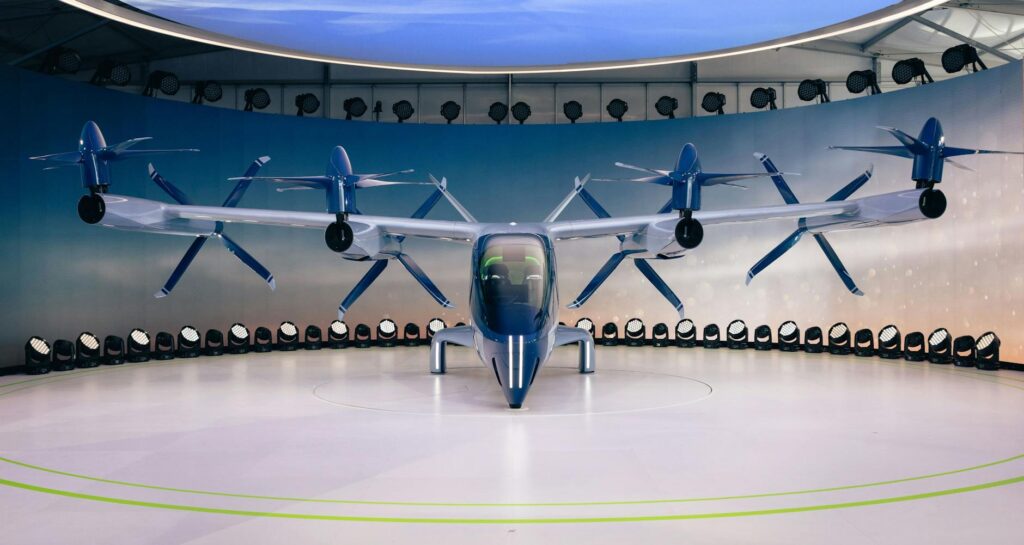
The core mechanism enabling the sustainability transition is the maturation of electric‑motor and hybrid‑combustion architectures that deliver measurable fuel burn reductions without compromising range. Ampaire’s latest hybrid demonstrator, retrofitted onto a 19‑seat DHC‑6 Twin Otter, achieved a 30 % decrease in fuel consumption on a 400 nm sector, cutting CO₂ emissions by 0.85 t per flight [2]. Scaling this performance to 70‑seat regional jets could yield annual industry‑wide savings of 1.2 Gt CO₂, equivalent to removing 260 million passenger‑kilometers of conventional flight [4].
Battery energy density, the historic bottleneck, has risen from 150 Wh/kg in 2018 to ≈300 Wh/kg in 2024, driven by solid‑state chemistries and advanced thermal management [4]. This progress expands viable electric flight envelopes to ≈800 nm for pure‑electric aircraft, sufficient for high‑frequency short‑haul routes that constitute ≈45 % of global flight segments [3]. Hybrid configurations bridge the remaining gap, pairing a downsized turbine with electric thrust to preserve climb performance while delivering up to 45 % overall emission cuts [2].
Regulatory frameworks are codifying these technical gains. The European Aviation Safety Agency (EASA) released Certification Specification CS‑E‑01 in 2023, establishing performance‑based criteria for electric propulsion, including mandatory redundancy and electromagnetic compatibility testing [4]. Simultaneously, the International Air Transport Association (IATA) launched the “Zero‑Emission Flight Initiative”, offering member airlines preferential access to carbon‑offset markets contingent on demonstrable fleet electrification milestones [3]. These institutional levers translate technical feasibility into market‑driven incentives, accelerating capital allocation toward hybrid projects.
Regulatory frameworks are codifying these technical gains.
Systemic Ripples Across the Tourism Ecosystem
The diffusion of electric and hybrid aircraft triggers a cascade of structural adjustments beyond the cockpit.
You may also like
 Business Insights
17 AI Companies Securing Major Funding in 2026: What It Means for Your Career
Seventeen US-based AI companies raised over $100 million in 2026, signaling a shift in the tech landscape. This article explores the implications for your career.
Read More →Infrastructure Realignment: Airports must install high‑capacity DC charging bays and hydrogen refueling stations to service electric fleets. The European Union’s “Green Airport Network” earmarks €12 bn for such upgrades by 2028, with Germany and the Netherlands leading pilot deployments [4]. This capital influx reshapes airport governance, granting utilities and energy firms a new seat at the table of airport boards, traditionally dominated by airlines and ground‑handling firms.
Supply‑Chain Reconfiguration: Hybrid propulsion reduces reliance on conventional jet‑fuel logistics, prompting a contraction in fuel‑terminal operations and a parallel expansion of battery‑manufacturing clusters. The United States’ Department of Energy (DOE) forecasts a 45 % increase in regional battery cell production capacity by 2027, driven largely by aerospace contracts [3]. This shift reallocates economic mobility opportunities toward regions that can attract battery‑tech hubs, altering the geographic distribution of high‑skill jobs.
Business‑Model Disruption: Legacy carriers that have historically leveraged hub‑and‑spoke networks are pressured to adopt point‑to‑point regional models enabled by low‑cost electric aircraft. Southwest’s 2025 pilot program on electric 50‑seat jets resulted in a 15 % reduction in operating cost per seat‑kilometer, prompting the airline to announce a $3 bn investment in a dedicated electric‑fleet subsidiary [3]. Conversely, low‑cost carriers (LCCs) that lack capital for fleet conversion risk marginalization, as sustainability‑focused corporate travel managers increasingly embed carbon metrics into procurement policies.
Cross‑Sector Innovation: Hospitality firms are integrating “flight‑to‑stay” packages that bundle electric regional hops with eco‑certified lodging, leveraging the lower carbon footprint to justify premium pricing. Marriott International’s 2024 “Sustainable Sky” program partners with electric‑airline start‑ups to offer carbon‑neutral travel bundles, projecting a 5 % uplift in loyalty‑program enrollment among millennial travelers [1]. This inter‑industry collaboration amplifies the sustainability narrative, reinforcing consumer expectations and reinforcing institutional commitments across the tourism value chain.
Historical parallels reinforce the systemic magnitude of this transition. The 1950s jet revolution displaced propeller‑driven airlines, reallocating capital from piston‑engine manufacturers to jet OEMs and reshaping global route networks. The jet era also spurred new regulatory bodies (e.g., ICAO’s “Jet Standards”) and redefined pilot training curricula. Likewise, the electric‑hybrid shift is poised to reconfigure capital flows, regulatory oversight, and skill requirements on a comparable scale.
Career Capital and Economic Mobility in the New Aviation Landscape
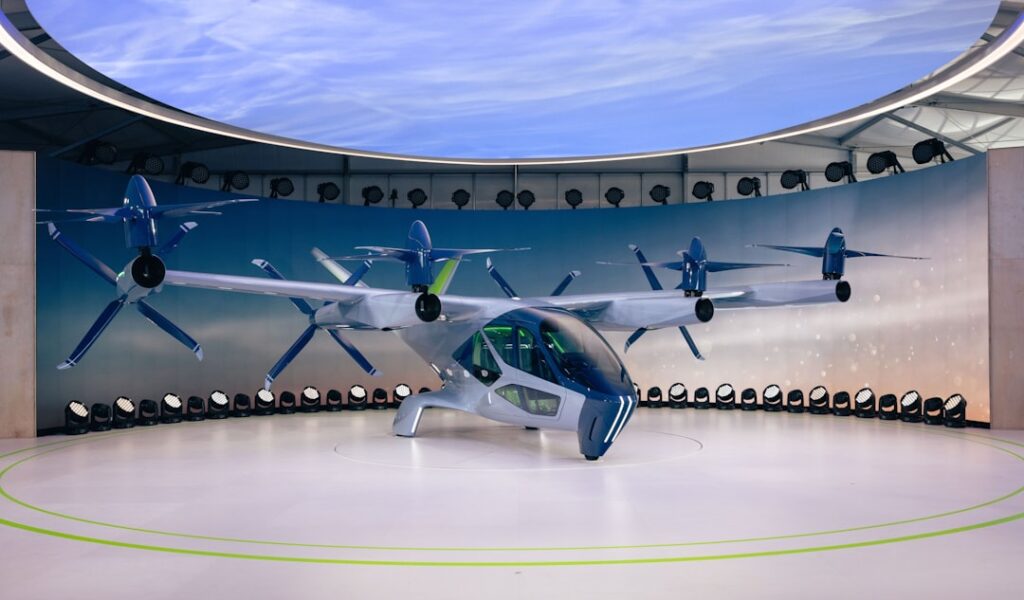
The emergence of electric and hybrid aircraft redefines career capital—the portfolio of skills, networks, and credentials that confer market value.
Technical Skill Sets: Maintenance, Repair, and Overhaul (MRO) organizations must certify technicians in high‑voltage safety, battery health diagnostics, and hybrid power‑train integration.
Technical Skill Sets: Maintenance, Repair, and Overhaul (MRO) organizations must certify technicians in high‑voltage safety, battery health diagnostics, and hybrid power‑train integration. The International Air Transport Association projects a 30 % increase in demand for hybrid‑propulsion specialists by 2029, prompting vocational institutions to launch dedicated certification tracks. For example, Embry‑Riddle Aeronautical University introduced a “Hybrid Aircraft Systems” degree in 2024, attracting a 40 % increase in enrollment from underrepresented demographics, thereby enhancing economic mobility pathways into a traditionally exclusive field.
Leadership and Institutional Power: Corporate leadership now requires fluency in sustainability governance. Boards of directors are integrating Environmental, Social, and Governance (ESG) metrics tied to fleet electrification into executive compensation. A 2025 Bloomberg ESG survey found that 68 % of airline CEOs cited hybrid‑fleet rollout as a primary strategic priority, reshaping the leadership agenda toward cross‑functional collaboration with energy firms and government agencies.
You may also like
 Business Innovation
The 3Rs of Remote Work: Structural Shifts in Job Design, Productivity, and Commutes
Remote work is redefining the architecture of employment, moving power toward outcome‑based, self‑managed talent and prompting a spatial reallocation of commuting flows that reshapes urban…
Read More →Investment Capital Allocation: Venture capital (VC) and private equity (PE) flows into electric‑aircraft start‑ups have surged to $2.4 bn in 2024, a 250 % year‑over‑year increase, reflecting investor confidence in the long‑term revenue upside of sustainable aviation [2]. This capital influx is concentrated in innovation corridors—Seattle, Toulouse, and Shenzhen—creating regional clusters that attract high‑skill talent and amplify local economic mobility.
Labor Market Polarization: While new roles emerge, traditional aircraft‑mechanic positions risk obsolescence unless upskilled. The International Labour Organization estimates that up to 45 % of current MRO jobs could be displaced by 2030 without targeted retraining programs [3]. Conversely, green‑technology project managers, data‑analytics specialists for flight‑optimization, and sustainability compliance officers are projected to see annual growth rates of 12‑15 %, offering a pathway for displaced workers to transition into higher‑value positions.
Geopolitical Redistribution: Nations that secure early access to electric‑propulsion patents—primarily the United States, France, and China—gain strategic leverage in setting global standards. The United Nations Economic Commission for Europe (UNECE) is convening a working group to harmonize battery certification, positioning patent‑holding firms as de‑facto standard‑setters. This institutional power dynamic influences where high‑pay R&D jobs will locate, affecting the global distribution of career capital.
Projection: 2027‑2031 Trajectory
The next half‑decade will crystallize the structural shift from fossil‑fuel dominance to an electrified aviation ecosystem.
Fleet Penetration: By 2029, electric and hybrid aircraft are expected to represent 12 % of the global regional fleet, up from less than 1 % in 2024, driven by accelerated certification pathways and airline procurement cycles aligned with 2025‑2027 fleet‑renewal windows [4].
Regulatory Consolidation: The International Civil Aviation Organization (ICAO) is slated to adopt a “Carbon‑Neutral Flight Standard” in 2027, mandating measurable emission reductions for all new aircraft certifications. Compliance will be enforced through market‑based mechanisms, including carbon‑credit allocation tied to hybrid‑fleet percentages.
Capital Realignment: Institutional investors are likely to reallocate ≈18 % of aviation‑sector assets under management toward sustainable propulsion ventures by 2031, reflecting both fiduciary risk assessments and ESG mandates.
Capital Realignment: Institutional investors are likely to reallocate ≈18 % of aviation‑sector assets under management toward sustainable propulsion ventures by 2031, reflecting both fiduciary risk assessments and ESG mandates. This shift will amplify funding for battery supply chains, accelerating economies of scale and driving down unit costs by an estimated 35 % relative to 2024 baselines [2].
Human Capital Evolution: Educational pipelines will produce ≈150,000 new graduates annually in hybrid‑propulsion and sustainable aviation disciplines across the United States, Europe, and Asia, creating a talent surplus that could depress wages unless matched by commensurate job creation. Conversely, regions lagging in upskilling risk entrenched unemployment, widening economic mobility gaps.
You may also like
 Career Development
The Non-Tech Job Boom: What It Means for Your Career in 2026
The non-tech job market is booming in 2026, offering lucrative opportunities across various sectors. Here's what you need to know to navigate this landscape and…
Read More →Tourism Pricing Dynamics: The cost advantage of electric regional hops—estimated at $0.045 per passenger‑kilometer versus $0.067 for conventional turbofan operations—will enable airlines to offer price‑competitive “green fares” that undercut legacy carriers on short‑haul routes, reshaping consumer price expectations and pressuring legacy carriers to accelerate their own electrification timelines.
In sum, the convergence of consumer demand, regulatory mandates, and technological breakthroughs is reconfiguring the structural foundations of global tourism. The next five years will determine whether the industry can harness this shift to generate inclusive career capital, redistribute economic mobility, and embed sustainability as a core institutional principle.
Key Structural Insights
[Insight 1]: Consumer prioritization of sustainability (70 % of travelers) is translating into measurable market premiums, compelling airlines to embed low‑carbon propulsion as a competitive differentiator.
[Insight 2]: Hybrid‑electric retrofits, exemplified by the LYGG–Ampaire partnership, are catalyzing a systemic reallocation of capital from legacy fuel‑centric assets to battery and power‑train supply chains, reshaping institutional power within aviation.
- [Insight 3]: The emerging electric‑aviation ecosystem is generating new career capital—technical, managerial, and ESG‑focused—while simultaneously displacing traditional roles, making upskilling a pivotal lever for equitable economic mobility.