No products in the cart.

Apple sails through slump, claims top spot and the New Career Landscape
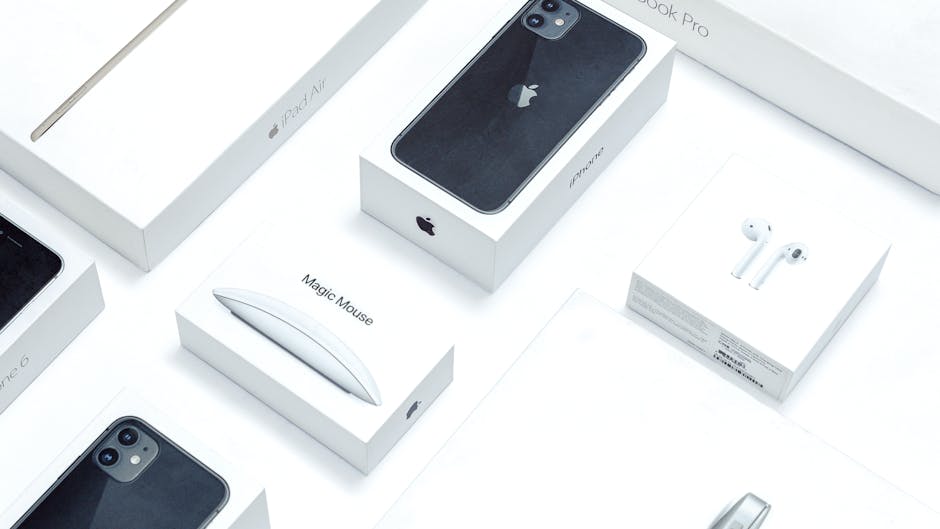
Apple has claimed the top spot in global smartphone shipments for Q1 2026 with a 5% year-on-year growth, contrasting with a 6% decline in the overall market. This performance is attributed to strong sales in China and strategic advantages amidst supply chain challenges and geopolitical tensions.

Apple is making headlines today as it claims the top spot in global smartphone shipments for the first quarter of 2026. The company reported a 5% growth year-on-year, while the overall smartphone market saw a decline of 6%. This impressive performance comes amid challenges such as memory component shortages and geopolitical tensions in the Middle East that have dampened consumer sentiment.
Apple’s Market Performance
This surge in Apple’s market share, now at 21%, marks a significant milestone for the tech giant. For the first time, Apple has led the smartphone market during the first quarter, according to Counterpoint Research. The company’s strong performance in China has been a crucial factor in this growth, with a remarkable 23% increase in smartphone sales in the country during the first nine weeks of 2026. This growth in China is particularly noteworthy as it reflects Apple’s ability to resonate with consumers in a highly competitive market where local brands like Huawei and Xiaomi are also vying for attention.
Samsung, which previously held a strong position in the market, experienced a 6% decline in shipments, resulting in a 20% market share. This drop can be attributed to the delayed launch of its Galaxy S26 model and weaknesses in the entry-tier smartphone segment. Meanwhile, Xiaomi maintained its third position with a 13% share but faced the largest decline among the top five brands. The shifting dynamics illustrate how quickly market leadership can change, especially in an environment where consumer preferences are evolving.
Challenges in the Smartphone Market
The broader smartphone market is facing significant challenges, primarily driven by supply chain issues. Analysts point to memory component shortages as a critical factor affecting production and availability across various brands. Shilpi Jain, an analyst at Counterpoint, notes that memory players are prioritizing AI data centers over consumer electronics, which has contributed to the overall decline in smartphone shipments. This prioritization reflects a larger trend in the tech industry where companies are increasingly investing in artificial intelligence capabilities, potentially at the expense of traditional consumer electronics.
The shifting dynamics illustrate how quickly market leadership can change, especially in an environment where consumer preferences are evolving.
You may also like
 Business Insights
How Artificial Intelligence (AI) Tools Affect Critical Thinking Skills and Cognitive | Career Outlook
The rise of artificial intelligence (AI) tools has sparked significant debate about their impact on critical thinking skills. As AI becomes more integrated into our…
Read More →In addition to supply chain constraints, geopolitical factors are also influencing consumer behavior. The ongoing tensions in the Middle East have led to increased uncertainty and anxiety among consumers, impacting their purchasing decisions. As reported by Bloomberg, US consumer sentiment has dropped to a record low, reflecting growing concerns over inflation and economic instability due to these geopolitical tensions. The combination of these factors has created a challenging environment for many brands, yet Apple appears to be navigating these waters effectively.
Consumer Implications and Market Trends
This complex interplay of supply chain challenges and consumer sentiment is reshaping the smartphone landscape. As companies like Apple navigate these issues, their strategies will be critical in determining their long-term success in a competitive market. Apple’s ability to maintain a premium positioning and leverage its integrated supply chain has proven advantageous, allowing it to capture market share even when others falter.
Moreover, Apple’s strong performance in China highlights the importance of emerging markets in driving growth. With a significant surge in sales in this region, Apple demonstrates the potential for tech companies to thrive by tapping into new consumer bases. This trend may encourage other brands to invest more heavily in marketing and product development tailored to these markets. The emphasis on quality and brand loyalty is becoming increasingly apparent as consumers prioritize their purchases amidst economic uncertainty.
Future Considerations for the Tech Industry
Apple’s resilience in the face of market challenges could have far-reaching implications for the tech industry. As the company continues to innovate and adapt to changing market conditions, other brands may need to reassess their strategies to remain competitive. The decline in overall smartphone shipments signals a potential shift in consumer priorities, with an increasing focus on quality and brand loyalty.
As companies like Apple navigate these issues, their strategies will be critical in determining their long-term success in a competitive market.
As brands adapt to supply chain challenges and shifting consumer preferences, the availability and pricing of devices may fluctuate. Understanding these dynamics can help consumers make informed choices when considering their next smartphone purchase. The tech industry faces a pivotal moment as companies navigate these challenges, and the answers to these questions will shape the future of the smartphone landscape and influence consumer choices for years to come.
You may also like
 International Trade
Startups Transform IIT Placements with High-Skill AI Roles
Startups are transforming IIT placements by offering high-skill AI roles and competitive salaries, attracting top talent in the tech sector.
Read More →