No products in the cart.

Green Visas: How Climate Policy Is Reshaping International Student Mobility
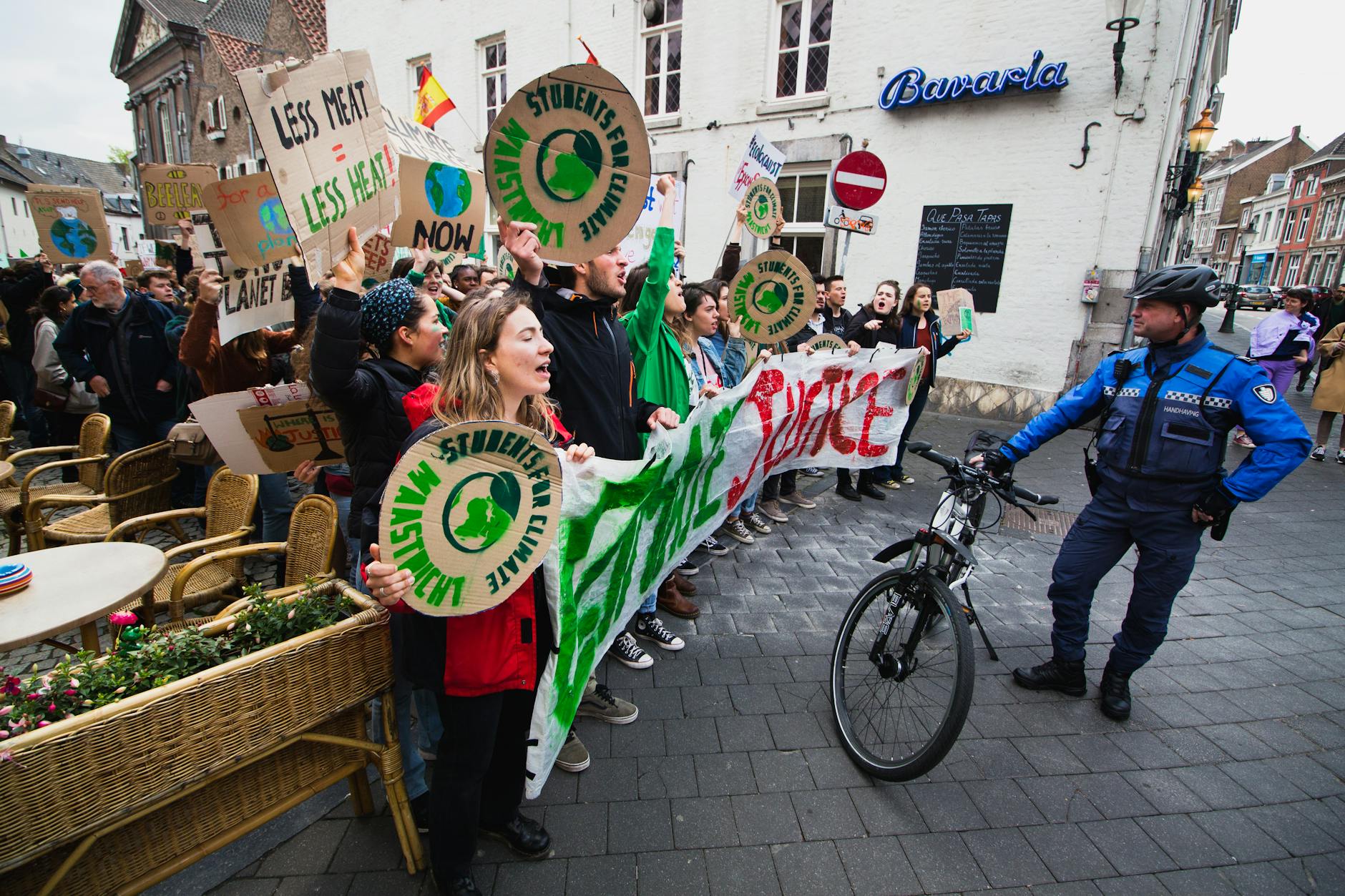
Visa regimes are now embedding carbon accounting and sustainability coursework into eligibility criteria, turning climate policy into a decisive factor for international student mobility and reshaping the global distribution of career capital.

Dek: National visa frameworks are increasingly calibrated to climate objectives, turning sustainability into a de‑facto eligibility criterion. The resulting structural shift reallocates career capital toward green sectors while redefining the institutional power balance between host and source economies.
Global Mobility in Transition
International student flows have long been a barometer of economic openness and soft power. In 2023, the OECD recorded 5.6 million cross‑border enrolments, a figure that eclipsed pre‑pandemic levels by 12 % and reflects a pronounced pivot toward Asian destinations—China, Singapore, and South Korea together absorbed 18 % of new entrants, up from 12 % in 2019 [2]. Simultaneously, climate‑related curricula have surged: enrollment in sustainability‑focused programmes at the top 50 universities grew 34 % between 2020 and 2024 [4].
These trends intersect with three macro forces: the lingering disruption of COVID‑19, the acceleration of climate‑risk awareness, and a wave of regulatory recalibration that treats environmental impact as a strategic variable in immigration policy. Elizabeth Collett’s Migration Policy Institute analysis underscores that “post‑pandemic mobility is no longer a simple rebound; it is being re‑engineered around systemic risk considerations” [1]. The emerging architecture of student visas therefore signals a structural realignment of career capital, where the right to study abroad is increasingly contingent on the ability to contribute to a host nation’s climate agenda.
Regulatory Core: Security, Economy, Environment

Visa regimes have historically balanced national security and economic benefit. The current iteration adds environmental stewardship as a third axis, reshaping the calculus of eligibility. In the United States, the 2022 amendment to the F‑1 student rule introduced a “green competency” clause, requiring applicants for STEM extensions to demonstrate coursework in climate‑relevant fields or participation in accredited sustainability research projects [3]. Canada’s 2023 “Climate Graduate Pathway” grants expedited permanent residency to graduates of programs classified under the National Climate Change Strategy, effectively converting academic credentials into a climate‑aligned immigration stream [1].
Australia’s pilot “Climate Change Visa” (subclass 590) launched in 2024, allocating 1,200 places annually for students enrolled in renewable‑energy engineering or carbon‑management degrees, with a built‑in carbon‑offset requirement that caps the net emissions associated with the student’s arrival and residence [2]. The European Union’s “Green Mobility Initiative” (2025) mandates that member states report the CO₂ equivalent of incoming student cohorts and adjust scholarship allocations to favor low‑emission travel modes [4].
These policy instruments operationalize sustainability through quantifiable metrics—carbon accounting, programmatic relevance, and research output—thereby embedding climate considerations into the core of immigration adjudication. The shift reflects a systemic response to the externality cost of student mobility, which Shields estimates at 1.2 Mt CO₂ annually, comparable to the emissions of a mid‑size city [4].
The shift reflects a systemic response to the externality cost of student mobility, which Shields estimates at 1.2 Mt CO₂ annually, comparable to the emissions of a mid‑size city [4].
Systemic Ripple Effects Across Sectors
You may also like
 Business Innovation
Esports Ascendant: How Competitive Gaming Restructures Career Capital
Esports is evolving from a niche pastime into a structured labor market, where franchised leagues, corporate sponsorships, and emerging unions collectively reshape career capital and…
Read More →Embedding climate criteria in visa policy triggers asymmetric ripple effects that extend beyond higher education.
STEM Innovation Pipeline: The United States’ tightened F‑1 eligibility for non‑green fields has already reduced the share of Chinese enrolments in non‑sustainability engineering programmes from 28 % to 21 % between 2022 and 2024, while green‑tech enrolments rose 19 % [3]. This reallocation concentrates research talent in sectors aligned with national climate targets, potentially accelerating breakthroughs in renewable energy storage and carbon capture.
Host‑Country Labor Markets: Canada’s pathway has yielded a 15 % increase in permanent‑resident conversions among climate‑science graduates, bolstering the domestic clean‑tech labor pool and prompting a 7 % wage premium for sustainability specialists relative to the broader STEM cohort [1].
Source‑Country Brain Drain vs. Circular Mobility: Nations with limited green‑economy capacity—e.g., several Sub‑Saharan states—face heightened risk of talent outflow as their brightest students secure climate‑linked visas abroad. However, the EU’s “Green Mobility Initiative” includes a reciprocity clause that obliges partner universities to host returning scholars for joint research projects, creating a feedback loop that mitigates permanent loss of human capital [4].
Institutional Power Rebalancing: Historically, the United States leveraged student visas as a soft‑power tool during the Cold War, channeling ideological influence through academic exchange. The current climate‑centric model redistributes that leverage toward nations that can demonstrate robust green‑policy frameworks. Germany’s 2025 “Energy Transition Scholarship” program, for instance, has attracted 3,800 applicants from the Global South, positioning Berlin as a hub for climate governance expertise [2].
Infrastructure Investment: Universities are responding to visa‑driven demand by expanding green campuses. The University of Melbourne’s $200 million “Carbon‑Neutral Campus” project, funded partly through federal climate‑visa incentives, exemplifies how immigration policy can catalyze capital flows into sustainable infrastructure [2].
Human Capital Reallocation and Career Capital Green Visas: How Climate Policy Is Reshaping International Student Mobility The convergence of visa policy and climate ambition redefines the calculus of career capital for international students.
Human Capital Reallocation and Career Capital
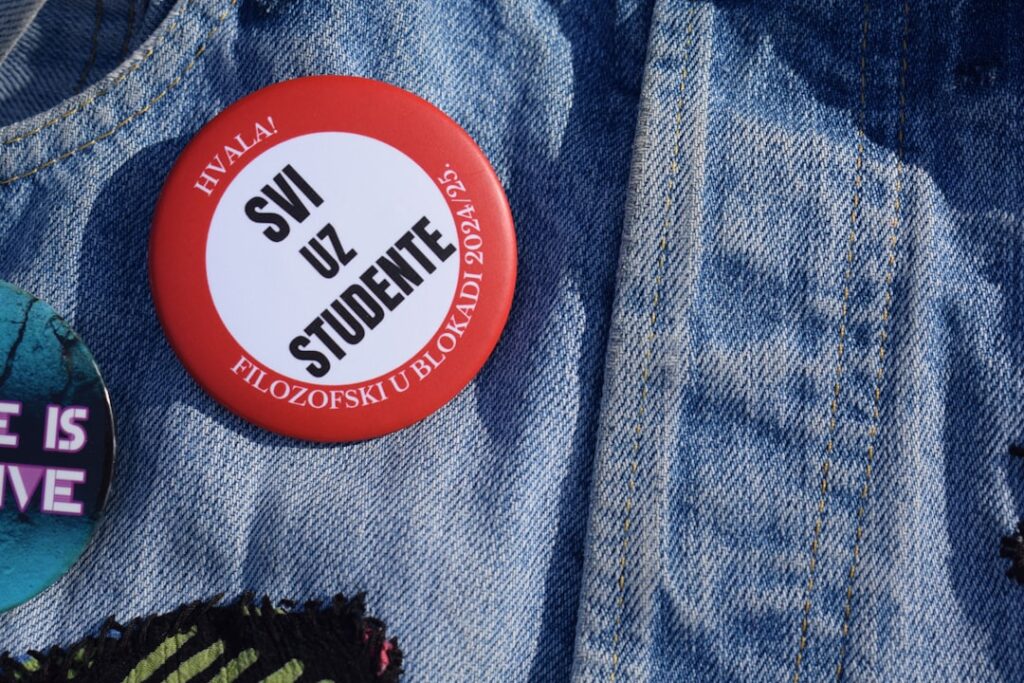
The convergence of visa policy and climate ambition redefines the calculus of career capital for international students.
You may also like
 Career Development
Transformations Fail When Leaders Lack People Skills
Discover how senior leaders' lack of people skills can derail transformations and lead to disengagement. Learn strategies to enhance emotional intelligence and foster a feedback-rich…
Read More →Field Selection Pressure: Prospective applicants now weigh visa tractability alongside academic interest. Data from the Institute of International Education (IIE) shows a 27 % uptick in applications to sustainability‑focused programmes at U.S. institutions between 2021 and 2024, outpacing growth in traditional engineering fields by 12 % [1].
Skill Premium and Labor Market Signaling: Employers in host economies increasingly treat a climate‑aligned degree obtained under a green visa as a signal of both technical competence and policy alignment. In Germany, firms report a 23 % higher likelihood of hiring graduates from the “Energy Transition Scholarship” cohort for roles in ESG reporting and carbon‑strategy [2].
Cross‑Border Knowledge Transfer: The mandated research components of many green visas create asymmetric knowledge flows. A 2023 study of Australian climate‑visa recipients found that 68 % co‑authored at least one peer‑reviewed paper with a researcher from their home country, accelerating diffusion of low‑carbon technologies back to origin economies [4].
Economic Mobility Trajectory: For students from lower‑income backgrounds, green visas can serve as a lever for upward mobility. The World Bank estimates that graduates of climate‑policy programmes earn 15‑20 % more over a ten‑year horizon than peers in non‑green disciplines, a gap that widens when combined with the faster permanent‑residency pathways offered by host nations [3].
Risk of Credential Stratification: Conversely, the emphasis on sustainability may marginalize disciplines perceived as less climate‑relevant, potentially entrenching a new form of academic hierarchy. Institutions in the United Kingdom have reported a 9 % decline in enrollment for humanities programmes among international students, a trend linked to the 2024 “Green Visa Preference” that favours STEM and environmental studies [1].
Institutions in the United Kingdom have reported a 9 % decline in enrollment for humanities programmes among international students, a trend linked to the 2024 “Green Visa Preference” that favours STEM and environmental studies [1].
Projection to 2029: Structural Trajectory
Looking ahead, the institutionalization of climate criteria in student visa regimes is likely to crystallize into a tri‑polar mobility architecture:
- Green‑Visa Hubs (e.g., Canada, Germany, Australia) will dominate enrolments in sustainability fields, consolidating research capacity and attracting private‑sector investment in green tech incubators.
- Legacy Visa Economies (e.g., United States, United Kingdom) will experience a sectoral compression, with non‑green programmes facing tighter caps and higher tuition to offset reduced foreign enrolments.
- Emerging Green Corridors (e.g., ASEAN, East Africa) will leverage bilateral climate agreements to create joint‑degree pathways, using scholarship swaps to retain talent while contributing to global carbon‑budget goals.
By 2029, we can anticipate that carbon accounting will become a standard metric in visa adjudication, akin to financial solvency today. The resulting data infrastructure will enable host governments to calibrate immigration quotas in real time based on national emissions targets, creating a feedback loop that aligns human capital flows with climate‑policy trajectories.
You may also like
 Artificial Intelligence
Accenture’s Bold Move: Upskilling or Overhauling?
As Accenture pivots towards an AI-driven future, its decision to lay off employees unable to adapt underscores the critical importance of upskilling in today’s workforce.
Read More →The systemic implications are profound: career capital will increasingly be measured against a candidate’s capacity to contribute to net‑zero objectives; institutional power will shift toward nations that can credibly integrate sustainability into their immigration architecture; and the overall mobility system will become a lever for achieving macro‑level climate commitments under the Paris Agreement.
Key Structural Insights
[Insight 1]: Climate criteria are being codified into visa eligibility, converting environmental impact into a quantifiable immigration metric.
[Insight 2]: The reallocation of international student talent toward green disciplines restructures global innovation pipelines and reshapes labor‑market premiums.
- [Insight 3]: Institutional power is shifting toward countries that align immigration policy with climate goals, creating new geopolitical corridors of sustainable human capital.