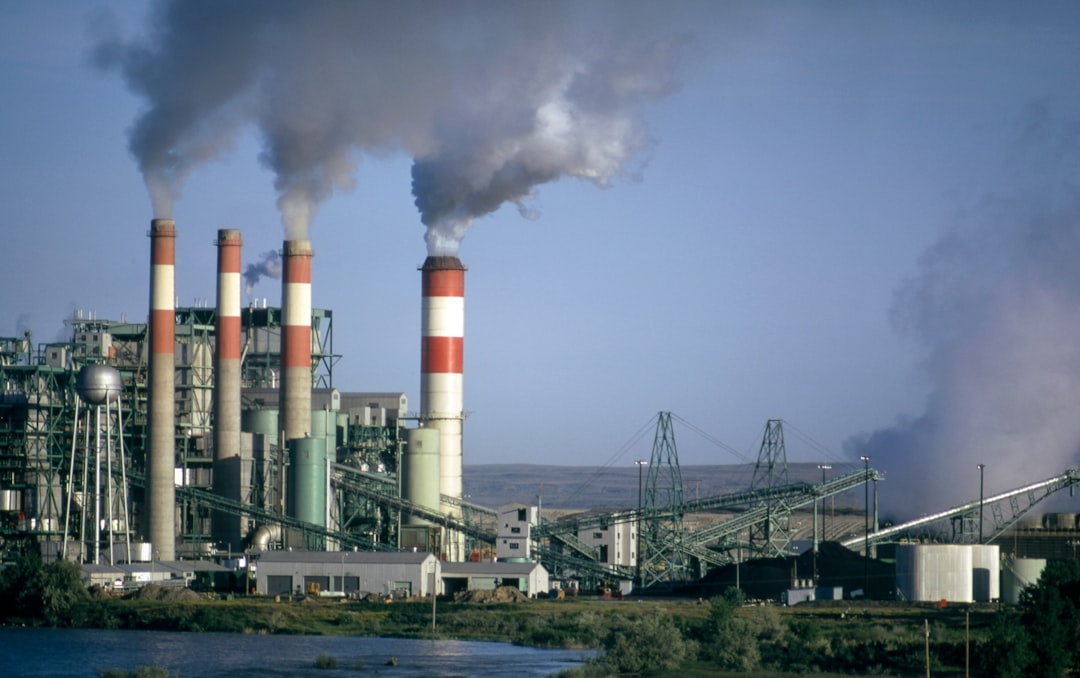
London, UK — A stark warning has emerged from a major report indicating that businesses face extinction unless they take immediate action to protect the natural systems that sustain their operations. The Intergovernmental Science-Policy Platform on Biodiversity and Ecosystem Services (IPBES) has made it clear: the loss of biodiversity poses a systemic risk to the economy and the survival of many enterprises. This urgent call to action is crucial now, as companies grapple with the dual challenges of environmental degradation and the ongoing impacts of climate change.
According to the IPBES report, businesses that fail to align with nature are likely to encounter severe disruptions in their supply chains, increased regulatory pressures, and a loss of consumer trust. The report emphasizes that nature loss is not merely an environmental issue; it is a business-critical problem that can threaten the very foundations of companies across various sectors.
As we face a world where natural resources are dwindling, the implications for the workforce are profound. Professionals must recognize that the survival of their companies—and, by extension, their careers—may depend on their ability to adapt to these changing realities. This is especially pertinent for younger generations entering the workforce, who will need to prioritize sustainability in their career choices.
Why Nature Protection is a Business Imperative
Businesses are increasingly being held accountable for their environmental impact. The recent IPBES report highlights that 1 million species are at risk of extinction, and this loss of biodiversity could lead to significant economic consequences. According to the report, the degradation of ecosystems can lead to a decline in productivity and profitability for businesses reliant on natural resources.
For instance, agriculture, forestry, and fisheries are directly impacted by the health of ecosystems. When biodiversity declines, these industries face reduced yields and increased vulnerability to pests and diseases. This not only threatens food security but also the livelihoods of millions of workers globally. The report underscores that businesses must implement sustainable practices to mitigate these risks and ensure their long-term viability.
The report underscores that businesses must implement sustainable practices to mitigate these risks and ensure their long-term viability.
Moreover, the financial implications are staggering. A recent analysis by the World Economic Forum suggests that over half of the world’s GDP is moderately or highly dependent on nature. This means that companies ignoring environmental sustainability are not only risking their reputation but also their financial future. The IPBES report serves as a wake-up call for businesses to integrate sustainability into their core strategies.
How This Affects Your Career Path
 Government & Policy
Musk Warns Neoclouds Face Consolidation; French Protests Escalate
French school protests over conditions brought clashes with police, more than four hundred arrests and ten wounded students and staff.
Read More →As the call for businesses to protect nature grows louder, the implications for various career paths are significant. Entry-level positions in sustainability-focused roles are on the rise. Companies are increasingly seeking professionals who can help them navigate the complexities of environmental regulations and sustainability initiatives.
For mid-career professionals, this shift means that skills related to environmental management and sustainability will become increasingly valuable. Those with expertise in these areas will find themselves in high demand as companies strive to meet regulatory requirements and consumer expectations.
Career switchers should also take note. The push for sustainability is creating new opportunities in sectors such as renewable energy, sustainable agriculture, and environmental consulting. Professionals looking to pivot their careers can capitalize on this trend by acquiring relevant skills and certifications.
- Upskill in Sustainability: Consider taking courses or certifications in environmental management, sustainability practices, or corporate social responsibility.
- Network with Industry Leaders: Join professional organizations and attend conferences focused on sustainability to connect with industry leaders and stay informed about best practices.
- Stay Informed on Regulations: Keep up to date with environmental regulations and policies that may impact your industry. This knowledge will position you as a valuable asset to your organization.
However, experts warn that this trend may not be sustainable. A recent report from the World Economic Forum suggests that while the push for sustainability is gaining momentum, many businesses still prioritize short-term profits over long-term environmental goals. This could lead to a disconnect between corporate sustainability initiatives and actual practices on the ground.
For mid-career professionals, this shift means that skills related to environmental management and sustainability will become increasingly valuable.
The Future of Business in a Changing Environment
Looking ahead, the future of business will increasingly intertwine with environmental responsibility. Companies that embrace sustainable practices will not only enhance their reputation but also improve their bottom line. As consumers become more environmentally conscious, businesses that fail to adapt may find themselves losing market share to more responsible competitors.
Moreover, the integration of sustainability into business models will likely lead to innovation in product development, supply chain management, and customer engagement. Companies that prioritize sustainability will be better positioned to attract and retain talent, as younger generations seek employers that align with their values.
 Government & Policy
AI Officials Face Scrutiny in New York City Council Hearing
The New York City Council hearing on AI governance highlights urgent concerns about the safety and accountability of AI technologies, emphasizing the need for comprehensive…
Read More →As the landscape of business continues to evolve, one question remains: Are you prepared to adapt your career to meet the demands of a sustainable future?
Written by Career Ahead AI. AI can make mistakes, so verify key facts. Report errors to support@careeraheadonline.com.