No products in the cart.

Bangladesh Schools Shift to Online Learning Amid Energy Crisis
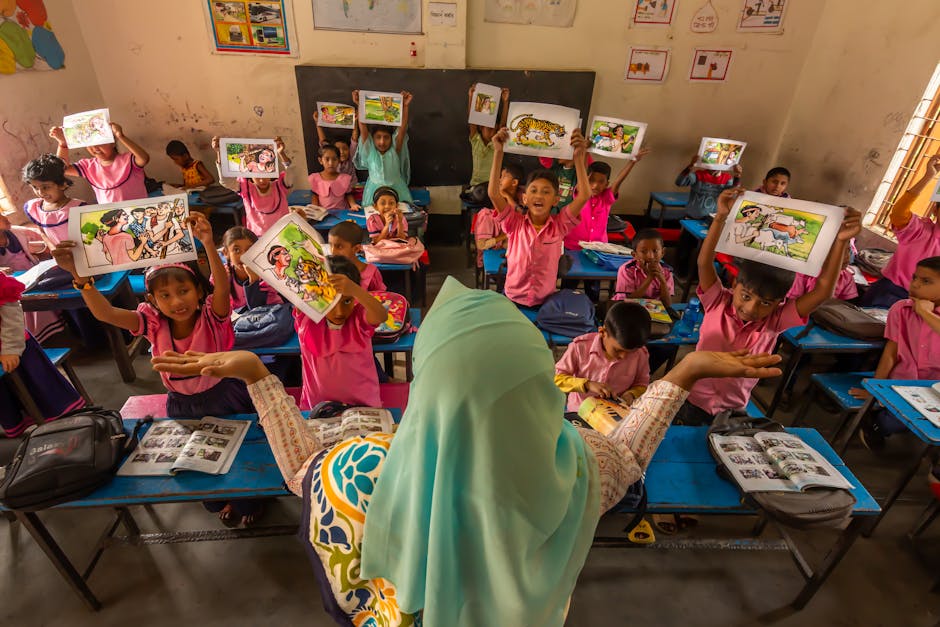
In response to an ongoing energy crisis, Bangladesh is implementing a hybrid learning model in schools, combining in-person and online classes to conserve energy while maintaining educational standards.

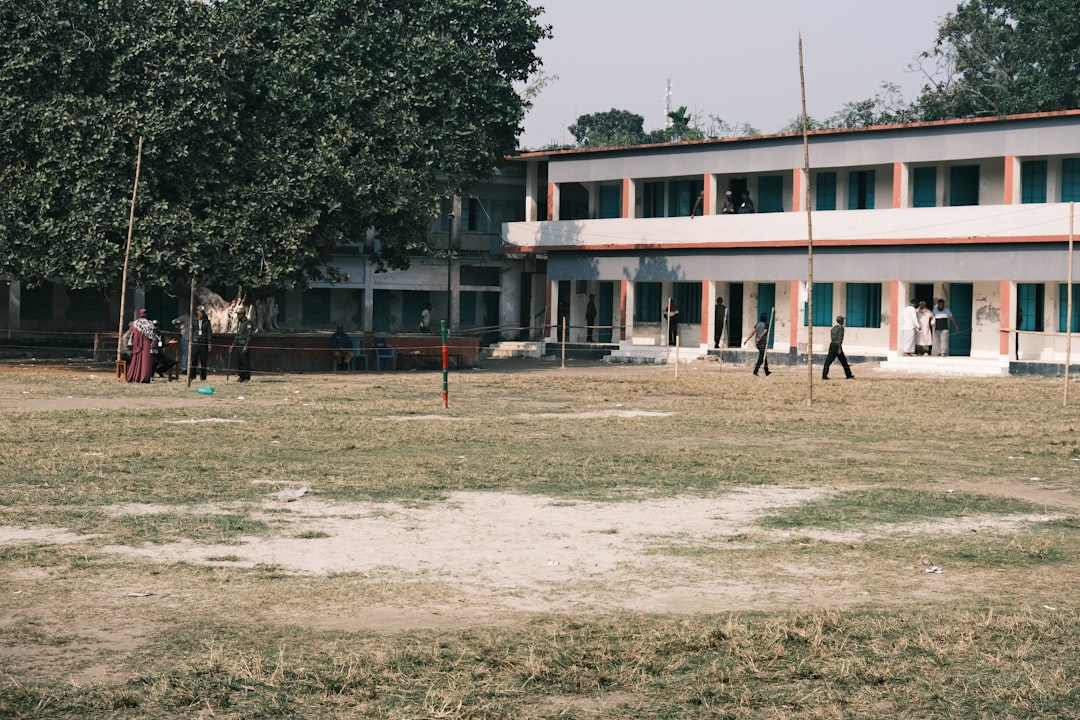
In a significant response to its ongoing energy crisis, the Bangladeshi government has announced a shift to a hybrid learning model for schools. This decision is driven by severe energy shortages resulting from escalating conflicts in the Middle East, which have disrupted oil and gas supplies. Education Minister ANM Ehsanul Hoque Milon stated that the new model will incorporate both in-person and online classes, aiming to save energy while ensuring that students continue their education.
The pilot program is set to begin next week, allowing schools with the necessary infrastructure to conduct virtual classes on designated days. Under this plan, students will attend physical classes on Saturdays, Mondays, and Wednesdays, while online sessions will be held on Sundays, Tuesdays, and Thursdays. This blended approach is designed to significantly reduce energy consumption, aligning with government efforts to curb fuel usage.
Bangladesh, home to approximately 170 million people, relies heavily on imported oil and gas, with 95% of its energy needs met through imports. The ongoing conflict in the Middle East has severely restricted these supplies, leading to skyrocketing fuel prices and heightened inflation. According to the World Bank, this situation poses significant risks, including reduced fiscal space due to rising energy subsidies and a weaker current account balance.
Impact of the Energy Crisis on Education
The energy crisis has compelled the government to implement various measures to manage fuel consumption, including limiting fuel purchases and encouraging civil servants to reduce energy use. The education sector faces challenges in maintaining regular operations amidst these shortages.
Minister Milon emphasized that only institutions capable of conducting virtual classes will participate in this pilot program. Schools that attract sufficient students and have a reputation for quality education will be prioritized. This selective approach aims to ensure that the transition to online learning does not compromise educational standards.
Schools that attract sufficient students and have a reputation for quality education will be prioritized.
To facilitate this transition, the government has made the import of electric buses tax-free for schools, reflecting a broader strategy to enhance educational infrastructure while addressing the energy crisis. By promoting electric vehicles, the government aims to reduce reliance on fossil fuels and encourage sustainable practices within the education sector.
You may also like
 Design And Fashion
Lego Unveils Innovative Smart Brick Feature for Precision Building
Lego introduces a new feature for its Smart Brick, enabling precise distance measurement with a Lego ruler. This innovation could transform how builders create.
Read More →Learning from Global Experiences
The situation in Bangladesh mirrors challenges faced by other nations grappling with energy shortages and educational disruptions. For instance, Japan has invested heavily in technology to bolster its education system, particularly in response to natural disasters. According to Bloomberg, Japan recently allocated $16 billion to support its AI chipmaking industry, which is expected to enhance its technological capabilities across various sectors, including education.
Similarly, the United States adopted hybrid learning models during the COVID-19 pandemic, allowing for greater flexibility and accessibility. These global examples highlight the potential of technology to bridge gaps in education during challenging times. As Bangladesh embarks on this new educational journey, it is essential to consider the lessons learned from these international experiences.
Long-Term Prospects for Education in Bangladesh
While the transition to online learning in Bangladesh is driven by necessity, it could lead to long-term improvements in the education sector. By embracing technology, the government may foster a more resilient and adaptable educational framework that can withstand future disruptions.
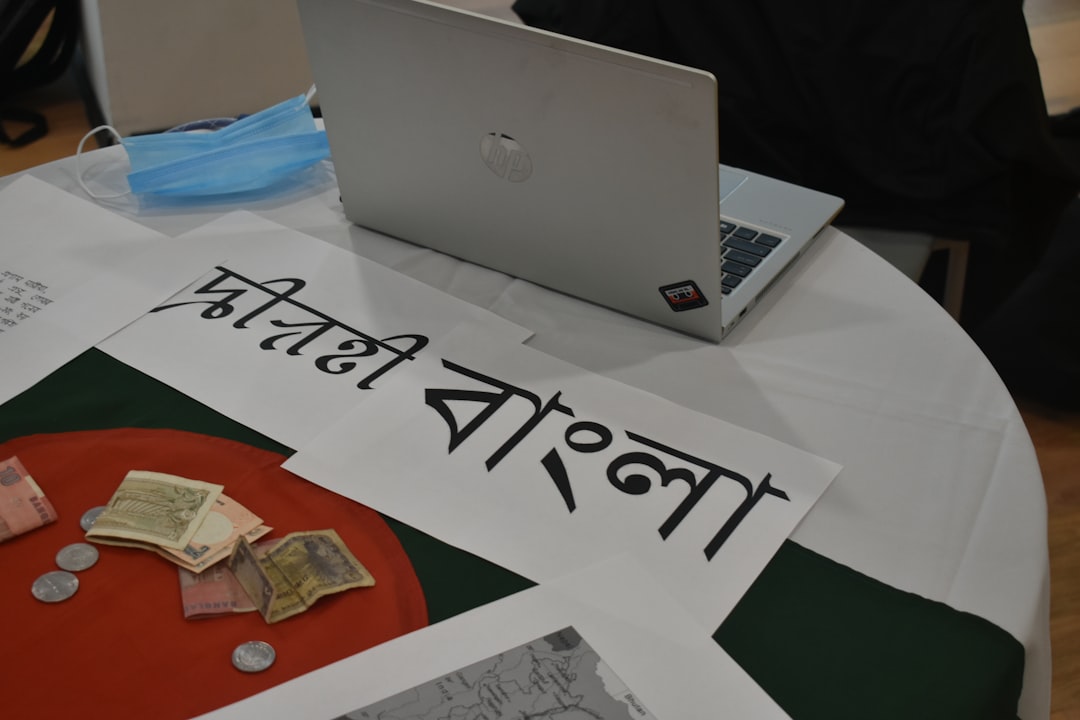
The success of this initiative will depend on various factors, including the availability of reliable internet access, the digital literacy of educators and students, and the overall commitment to maintaining educational quality. Addressing these challenges will be crucial for the hybrid learning model to thrive.
By embracing technology, the government may foster a more resilient and adaptable educational framework that can withstand future disruptions.
Future Directions for Educational Reform
The implications of this shift extend beyond immediate energy savings. As the country adapts to this new educational landscape, it may pave the way for a more innovative and technology-driven approach to learning. The integration of online resources and digital tools could enhance student engagement and learning outcomes, preparing them for a rapidly changing job market.
Moreover, this initiative could stimulate discussions around educational reform in Bangladesh, encouraging policymakers to explore new models of teaching and learning. By leveraging technology, the government can create a more inclusive education system that caters to diverse learning needs and preferences.
You may also like
 Career Development
NCI’s Scholarships: A Gateway for Indian Graduates to Global Careers
The National College of Ireland has announced INR 75 lakh scholarships to support Indian postgraduate students, enhancing their career prospects and educational ties between India…
Read More →As Bangladesh navigates the challenges posed by the energy crisis, the education sector’s response will be closely watched by other countries facing similar dilemmas. The success of this hybrid model could serve as a blueprint for educational resilience in the face of adversity.
Ultimately, the question remains: how will this shift impact the future of education in Bangladesh? Will the government continue to invest in technology and infrastructure to support this new model, or will the energy crisis hinder progress? The answers to these questions will shape the educational landscape for years to come.