No products in the cart.

Western Australia Mulls Own Diesel Reserve After and the New Career Landscape
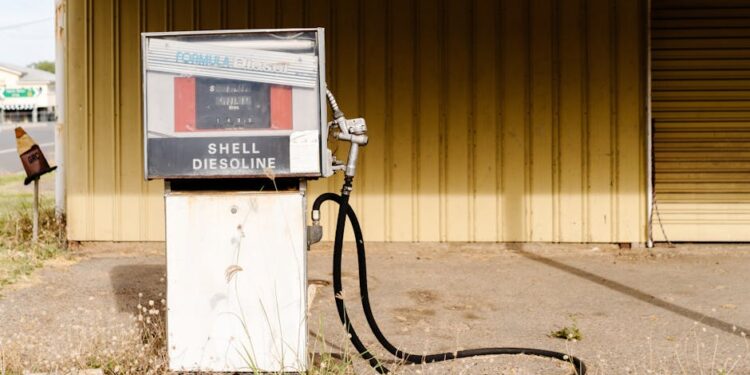
Perth, Australia — Western Australia is taking steps to safeguard its fuel supply amid rising global tensions and disruptions. The state government is exploring the creation of a strategic diesel reserve in response to the ongoing war in Iran, which has significantly impacted global oil supply chains.


Perth, Australia — Western Australia is taking steps to safeguard its fuel supply amid rising global tensions and disruptions. The state government is exploring the creation of a strategic diesel reserve in response to the ongoing war in Iran, which has significantly impacted global oil supply chains.
The proposed diesel reserve aims to ensure that critical industries, such as mining and agriculture, have access to necessary fuel during emergencies. According to state officials, the reserve could be funded by the government to stabilize supplies for essential services. This move highlights the importance of energy security in a time of geopolitical instability.
Western Australia has long relied on imported refined fuel, making it vulnerable to disruptions. Reports indicate that the state’s fuel reserves are at critically low levels, raising concerns about potential impacts on local economies. The government’s proactive approach to establishing a diesel reserve reflects a growing recognition of these vulnerabilities.
Global Supply Chain Disruptions and Local Impacts
The war in Iran has exacerbated existing supply chain issues, causing fuel prices to surge. According to a report by the International Monetary Fund, global oil prices are expected to remain high as conflicts continue to disrupt supply routes. This situation has prompted Western Australia to reevaluate its dependency on external fuel sources. The IMF has indicated that the repercussions of these conflicts will linger, affecting not just Australia but global markets as well.
Reports indicate that the state’s fuel reserves are at critically low levels, raising concerns about potential impacts on local economies.
As the state considers its options, experts warn that relying solely on imports could lead to severe economic consequences. A lack of domestic reserves could result in fuel shortages, impacting transportation, agriculture, and other vital sectors. The proposed diesel reserve could serve as a buffer against these risks, ensuring that essential services remain operational. Furthermore, the ongoing geopolitical tensions, particularly the blockade of Iranian ports, have raised alarms about the stability of fuel supplies, prompting Western Australia to act decisively.
Additionally, the potential establishment of a diesel reserve aligns with broader trends in energy policy. Many regions are seeking to enhance energy independence and resilience in the face of global uncertainties. By investing in local fuel reserves, Western Australia could set a precedent for other states grappling with similar challenges.
You may also like
 Government & Policy
EPFO Claim Delays Linked to IT Staff Shortage
The Employees' Provident Fund Organisation (EPFO) is grappling with significant delays in processing provident fund claims, primarily due to a shortage of IT staff. This…
Read More →
Implications for the Energy Sector and Local Economy
The establishment of a diesel reserve could have significant implications for Western Australia’s energy sector. It may encourage investment in local fuel production and refining capabilities, which could create jobs and stimulate economic growth. By reducing dependence on imports, the state could enhance its energy security and stabilize prices. This is particularly crucial as rising fuel costs have already begun to strain local businesses and charities, as noted in a recent report by the BBC, which highlighted how transport charities are feeling the pinch from these rising costs.
Moreover, a strategic diesel reserve could provide a competitive edge for local industries. Access to reliable fuel supplies would enable businesses to operate more efficiently, reducing operational risks associated with fuel shortages. This advantage could attract new investments in the region, further strengthening the economy. The government’s initiative could also serve as a model for national energy policies, particularly if it successfully mitigates the risks posed by global supply chain disruptions.
On a broader scale, the move to establish a diesel reserve may influence national energy policies. If successful, it could serve as a model for other states facing similar challenges. Policymakers across Australia may look to Western Australia’s experience as they contemplate their own strategies for energy security and sustainability.
This is particularly crucial as rising fuel costs have already begun to strain local businesses and charities, as noted in a recent report by the BBC, which highlighted how transport charities are feeling the pinch from these rising costs.
Broader Implications for Energy Policy
As the global energy landscape continues to evolve, the decisions made by Western Australia will resonate beyond its borders. The state’s approach to managing fuel supply risks could inform discussions at the national level regarding energy independence and resilience in the face of geopolitical tensions.
The potential establishment of a diesel reserve in Western Australia is important for everyone. It influences fuel prices, job opportunities, and the stability of essential services. As these developments unfold, they will impact daily life and the economy in significant ways. The urgency of this initiative is underscored by the ongoing volatility in global oil markets, which has been exacerbated by the Iran conflict and subsequent supply chain disruptions.
You may also like
 Government & Policy
Firms Urged to Favor Jobs Over Green Goals for Contracts
The UK government mandates that firms bidding for public contracts prioritize job creation, increasing the social value weighting from 10% to 20%.
Read More →Ultimately, the effectiveness of the proposed diesel reserve will depend on how well it is implemented and managed. Stakeholders will need to consider not only the immediate benefits but also the long-term sustainability of such a reserve. As the world grapples with energy challenges, Western Australia’s actions could serve as a bellwether for future energy policies.