No products in the cart.

British Steel 'needs nationalising by the summer' and the New Career Landscape
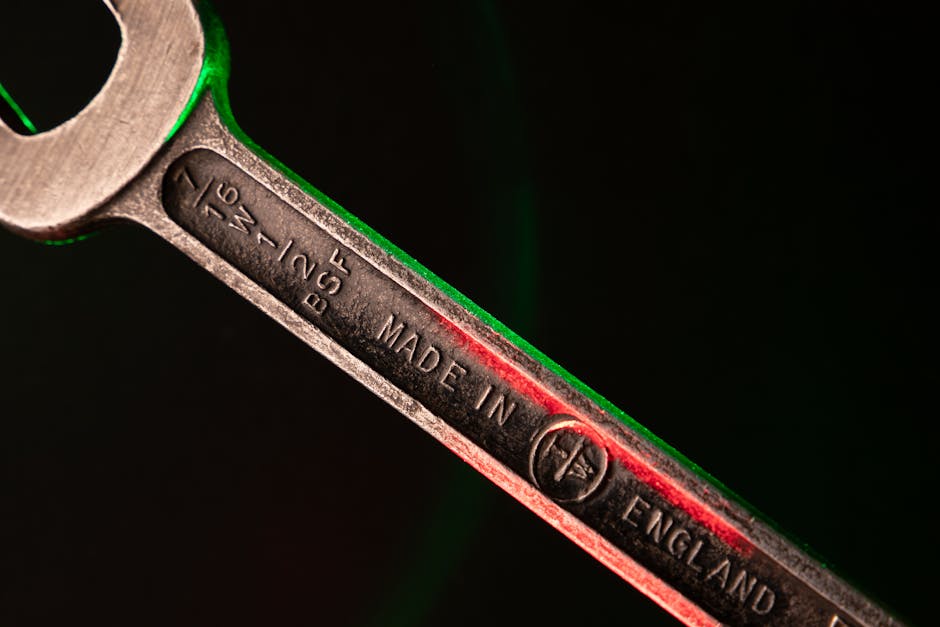
Scunthorpe, UK — British Steel is facing a critical moment as calls for its nationalisation intensify. Labour MP Nic Dakin has urged the government to take decisive action by summer 2026 if ongoing negotiations with its Chinese owner, Jingye, do not yield a satisfactory outcome. The urgency stems from the…


Scunthorpe, UK — British Steel is facing a critical moment as calls for its nationalisation intensify. Labour MP Nic Dakin has urged the government to take decisive action by summer 2026 if ongoing negotiations with its Chinese owner, Jingye, do not yield a satisfactory outcome. The urgency stems from the fact that British Steel is losing approximately £1.3 million daily, making its current operational model unsustainable.
On April 12, 2025, the UK government took control of the Scunthorpe plant to prevent the closure of its last two blast furnaces, which are vital for steel production. This intervention was intended as a temporary measure while the government sought a resolution with Jingye. However, nearly a year later, uncertainty about the company’s future remains, putting thousands of jobs at risk.
Industry minister Chris McDonald has stated that British Steel is crucial for the UK economy, highlighting the need for a robust plan to secure its future. The Scunthorpe plant employs around 2,700 workers, making it a significant employer in the region. Dakin believes that nationalisation would allow the company to make independent decisions about its future and attract necessary investments.
Potential Nationalisation and Its Implications
Nationalisation could offer a path forward for British Steel, providing it with the stability needed to secure long-term investments. Dakin argues that public ownership would not only protect jobs but also ensure that the UK retains its steel production capabilities, which are essential for national security, especially amid current geopolitical tensions. Steelworker Thomas Smith, who represents the Community Union, echoed this sentiment, stating that nationalisation would provide much-needed security for the workforce. With the steel industry being a cornerstone of the UK’s manufacturing base, its decline could have far-reaching effects on related sectors. The call for nationalisation is not merely about saving a company; it is about preserving an entire industry.
Industry minister Chris McDonald has stated that British Steel is crucial for the UK economy, highlighting the need for a robust plan to secure its future.
You may also like
 Business Insights
Revamping Unwritten Rules for a Fairer Workplace
Unwritten rules in workplaces often create barriers to equity and efficiency. This article explores actionable strategies to address these issues.
Read More →However, the government has yet to announce a clear timeline for resolving the ownership issue. McDonald mentioned that if a satisfactory agreement with Jingye can be reached, it would be the quicker and cheaper solution. Yet, analysts are skeptical about whether Jingye can provide the necessary support to ensure the company’s future viability. The recent contracts secured by British Steel, including a £500 million deal to supply railway tracks, show potential but may not be enough to ensure long-term sustainability.
Wider Economic Implications of British Steel’s Fate
The fate of British Steel extends beyond the company itself; it has significant implications for the UK economy. The steel industry is a vital part of the manufacturing sector, contributing to both employment and economic growth. A decline in steel production could lead to job losses not only at British Steel but also in related industries that rely on steel products. Furthermore, the ongoing uncertainty surrounding British Steel’s future could deter potential investors from entering the market. Investors typically seek stability, and the current situation presents a risk that could lead to a broader decline in the UK’s manufacturing sector. If the government does not act swiftly, it may lose out on opportunities to attract new investment in the steel industry.
Additionally, the geopolitical context cannot be overlooked. With rising tensions and competition in global markets, maintaining a robust domestic steel industry is crucial. The UK must ensure that it can meet its own steel demands without relying heavily on imports, which could be disrupted by international conflicts or trade disputes. As noted by the BBC, the government’s intervention in April 2025 was a necessary step to avert immediate crisis, yet the long-term strategy remains unclear.

In this light, nationalisation could serve as a strategic move to bolster the UK’s manufacturing capabilities and secure jobs. By taking control of British Steel, the government would send a strong message about its commitment to supporting domestic industries, which could have positive ripple effects throughout the economy. The National Audit Office has indicated that the financial burden of running British Steel is unsustainable, emphasizing the need for a long-term solution. Without nationalisation or a viable deal with Jingye, the future of British Steel and its workforce hangs in the balance.
Without nationalisation or a viable deal with Jingye, the future of British Steel and its workforce hangs in the balance.
The situation remains fluid, and the government’s next steps will be critical in determining the future of British Steel and the broader steel industry in the UK. As discussions continue, the urgency for a resolution grows, with many stakeholders closely monitoring developments. The outcome of this situation is not just a matter of corporate restructuring; it touches the lives of thousands of workers and their families in Scunthorpe and beyond. As the summer deadline approaches, the question remains: will the government act decisively to secure the future of British Steel, or will it risk losing an essential part of its industrial heritage?
You may also like
 Business Innovation
BSM’s Innovative Approach to AI-Driven Leadership Education
Shaping Future. Get a clear breakdown of the shift, its market impact, and what professionals should watch next.
Read More →